Can You Swim In Glacier National Park – Rules, Safety, And Tips
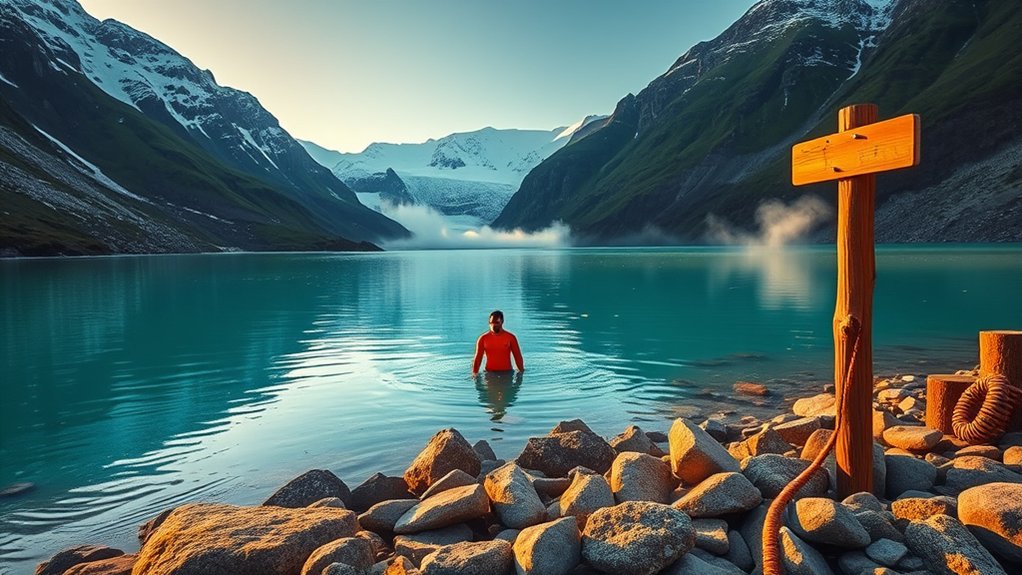
Yes, you can swim in Glacier National Park, but you need to be cautious. Swimming is allowed in lakes and rivers, with Lake McDonald being the warmest spot in August.
Always check water temperatures and swim with a buddy. Be aware of hypothermia symptoms and choose safer areas, especially for kids. Dress in layers and pack essential items like life jackets and warm clothing.
Want to know more about the best swimming spots and safety tips?
Can You Swim in Glacier National Park? Understanding the Rules
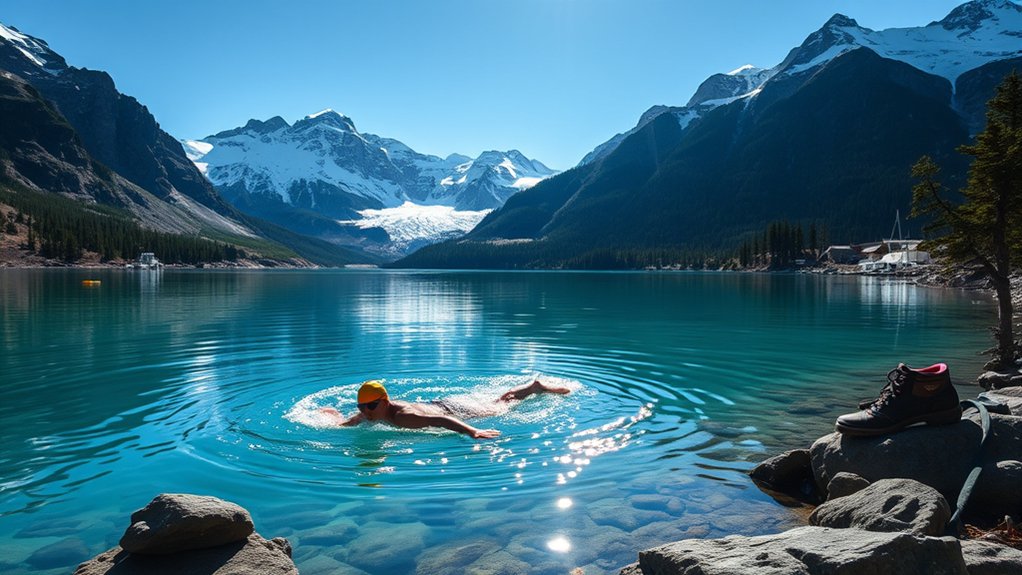
Can you really take a dip in Glacier National Park? Absolutely, but it’s essential to understand the risks involved. Swimming’s allowed in any lake or river, but safety should always come first.
Remember, water temperatures usually dip below 50°F, with Lake McDonald peaking at 70°F in August. It can still feel cold.
Swift rivers are especially dangerous; their fast-moving currents can be treacherous, making swimming unwise in those areas.
Cold water immersion can lead to hypothermia, so be alert for symptoms like uncontrolled shivering. Always swim with a buddy and stay aware of your personal limits.
Diving into these stunning waters requires caution, ensuring every dip is a safe and enjoyable experience. Stay smart, and enjoy the adventure!
Best Swimming Locations in Glacier National Park: Where to Dive In
Wondering where to take a revitalizing swim in Glacier National Park? Immerse yourself in Lake McDonald, the warmest spot, where temperatures can hit 70°F in August. It’s perfect for a rejuvenating float.
Immerse yourself in the refreshing warmth of Lake McDonald, the perfect spot for a rejuvenating swim in August.
If you love scenic views, head to Bowman Lake, though be ready for some bumpy roads.
Swiftcurrent Lake offers a lovely swimming area in the breathtaking Many Glacier region.
For those seeking a challenge, hike one mile to Lake Josephine for great beaches, but keep in mind it’s typically cooler.
Adventure enthusiasts might venture to Iceberg Lake, known for its exhilaratingly cold water, averaging 35-40°F. This option requires a 10-mile round trip.
Always prioritize safety while enjoying these stunning swimming locations!
How to Stay Safe While You Swim in Cold Water
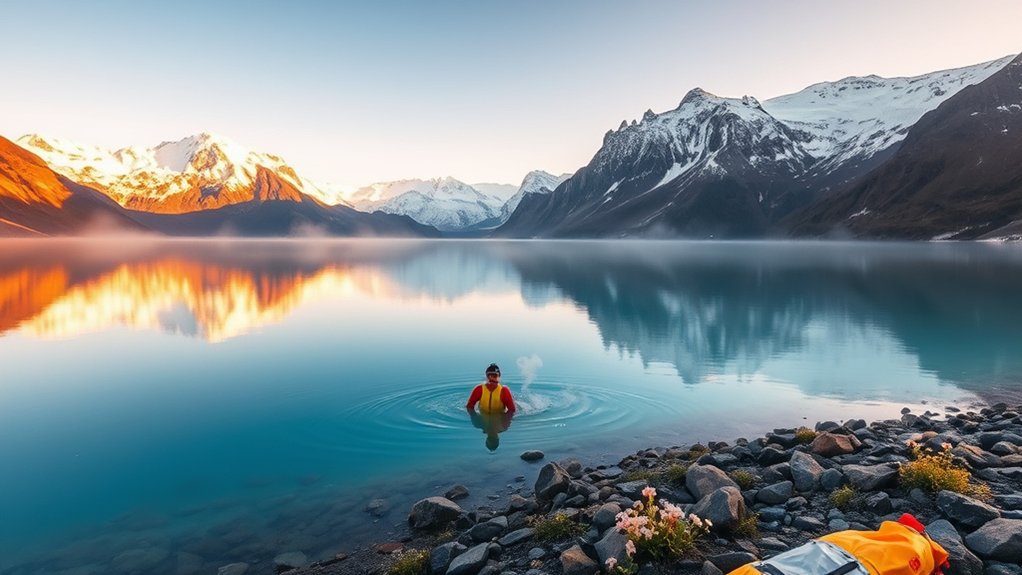
Before you take the plunge into cold waters, make sure to check the temperature first because conditions can change quickly.
It’s super important to recognize the signs of hypothermia, so watch out for shivering, confusion, or trouble with coordination.
And don’t forget, swimming with a buddy is one of the best safety tips to keep your experience safe and fun.
Understand Water Temperature Risks
Although swimming in the stunning waters of Glacier National Park can be an exhilarating experience, understanding water temperature risks is essential for your safety. The waters here are cold, often averaging below 50°F even in summer.
To stay safe, keep these tips in mind:
- Always wear a lifejacket to enhance swimming safety in deceptive cold waters.
- Be mindful of personal limits; cold water immersion can lead to hypothermia even above freezing.
- Avoid swift, cold glacial streams as they pose significant drowning hazards.
- Know the risk factors associated with temperature, including uncontrolled shivering and loss of coordination.
With the right precautions, you can fully enjoy your time swimming in this beautiful national park. Stay safe!
Recognize Hypothermia Symptoms
How can you tell if you or someone else is experiencing hypothermia while swimming in cold water? Look for these critical symptoms:
| Signs of Hypothermia | What to Watch For |
|---|---|
| Uncontrolled shivering | Continual shaking or shaking that stops |
| Slurred speech | Difficulty talking or mumbling |
| Lack of coordination | Trouble moving or balancing |
| Confusion or fatigue | Feelings of tiredness or disorientation |
| Cold skin or pale appearance | Skin feels excessively cold to the touch |
If you notice any of these signs, seek shelter immediately. Change into dry clothes and provide warm, non-alcoholic beverages. Recognizing these hypothermia symptoms early can drastically improve recovery chances and lower the risk of serious complications.
Stay alert to help guarantee everyone’s safety.
Follow Safety Precautions
When swimming in cold water, especially in places like Glacier National Park where temperatures can dip below 50°F, it’s crucial to follow safety precautions to protect yourself and your companions.
The risk of hypothermia is high, so keep these tips in mind:
- Always wear water-resistant clothing and dress in layers to retain body heat.
- Swim with a buddy and stay close to the shore to guarantee quick rescue if needed.
- Avoid rivers due to swift currents that can be deceptive and dangerous.
- Be vigilant for signs of hypothermia, such as uncontrolled shivering. If you notice these symptoms, seek shelter and dry clothing immediately.
Prioritizing safety means everyone can enjoy the experience while minimizing risks!
What Are the Water Temperature Risks for Swimmers?
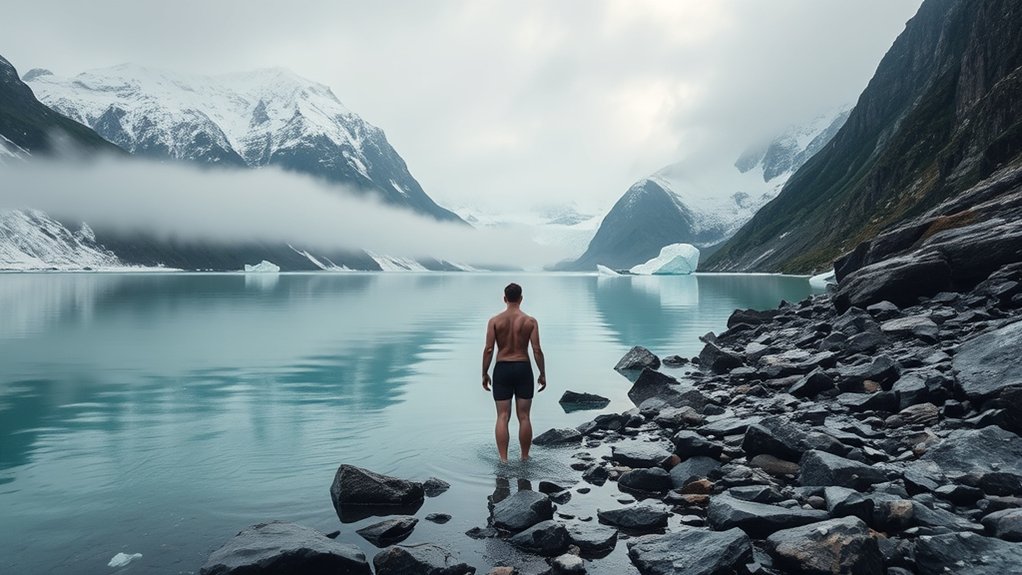
Swimming in Glacier National Park can be a revitalizing experience, but the risks associated with cold water temperatures are significant. Most lakes, including Swiftcurrent Lake and Iceberg Lake, sit between 35-55°F, elevating the danger of hypothermia for swimmers.
Even the warmest lake, Lake McDonald, hovers around 70°F in August, which is still chilly by many standards. Cold water immersion can trigger the mammalian diving reflex, resulting in difficulties with breathing and heart rate, and greatly increasing the risk of drowning.
Signs of hypothermia, like confusion and lack of coordination, can manifest quickly.
Furthermore, be wary of swift water currents that can lead to unexpected hazards, demanding utmost safety awareness while you enjoy the park’s pristine waters.
How to Recognize and Prevent Hypothermia While Swimming?
When you’re swimming in Glacier National Park’s icy waters, it’s super important to watch out for signs of hypothermia, like shivering or slurred speech.
Wearing the right layers can really help keep you warm and dry, which lowers your risk a lot.
And if you or a buddy start feeling off, don’t wait—knowing what to do right away can make all the difference.
Stay safe out there!
Recognizing Hypothermia Symptoms
As temperatures drop, especially in Glacier National Park’s frigid waters, you need to stay vigilant about recognizing hypothermia symptoms. This serious condition can occur even during summer swimming in cold water.
Keep an eye out for these key symptoms:
- Uncontrolled shivering. This is often the first sign your body is struggling to stay warm.
- Confusion. A sudden lack of clarity or difficulty concentrating may indicate hypothermia.
- Slow speech or slurred words. This can affect your ability to communicate and assess your situation.
- Lack of coordination. You may notice difficulty with movement and balance.
Always monitor for these signs, seek warmth, and practice safety and prevention after immersion in cold water to protect yourself and others.
Preventive Clothing Strategies
To stay safe while enjoying the invigorating waters of Glacier National Park, it’s essential to incorporate preventive clothing strategies that help reduce the risk of hypothermia. Wear water-resistant clothing and moisture-wicking fabrics to keep dry while swimming in cold water temperatures.
Dress in layers to regulate body temperature and minimize sweating. Always pack warm clothing and raingear for hikes so you have dry options available if you get wet.
Here’s a quick reference table:
| Clothing Strategy | Purpose |
|---|---|
| Water-resistant clothing | Minimizes moisture exposure |
| Moisture-wicking fabrics | Keeps your body dry |
| Dress in layers | Helps regulate body temperature |
| Limit swim duration | Reduces hypothermia risk |
| Recognize signs of hypothermia | Be prepared to seek shelter and dry clothing |
Immediate Treatment Steps
Recognizing the early signs of hypothermia while swimming is essential for your safety, especially in the cold waters of Glacier National Park.
If you notice symptoms like uncontrolled shivering, slow speech, or lack of coordination, it’s important to act quickly.
Here are immediate treatment steps:
- Seek shelter to protect yourself from further exposure to cold water.
- Change into water-resistant clothing or dry layers to help retain warmth.
- Offer warm drinks that are non-alcoholic, as they can support recovery.
- Be cautious of slips and falls on wet rocks to avoid making cold exposure worse.
What Should You Pack for a Safe Swimming Experience?
When planning your swimming adventure in Glacier National Park, it’s vital to pack smartly to guarantee a safe and enjoyable experience. Prepare for cold water with water-resistant clothing to minimize the risk of hypothermia. Include moisture-wicking fabrics in your gear to manage sweat and maintain body temperature.
A lifejacket is a must for safety, as disorientation in cold water increases drowning risks. After swimming, change into warm clothing like a sweater and hat to help retain body heat. Plus, don’t forget a reliable water filter or purification tablets for safe drinking water.
| Essential Item | Purpose | Safety Tip |
|---|---|---|
| Water-Resistant Clothing | Keeps you dry, reducing hypothermia risk | Always check temperature before swimming |
| Lifejacket | Guarantees safety while swimming or boating | Never swim alone |
| Warm Clothing | Maintains body heat after swimming | Change immediately after swimming |
| Moisture-Wicking Fabrics | Regulates sweat to keep you comfortable | Helps prevent chills |
| Water Filter | Provides safe drinking water | Treat all water from natural sources |
How to Ensure Safe Swimming for Families With Children?
Planning a family swimming outing in Glacier National Park requires heightened attention to safety, especially when children are involved. Here are some essential tips to guarantee a safe experience:
- Supervise closely: Keep a watchful eye on your children. Avoid steep slopes and slippery rocks to prevent accidents.
- Wear life jackets: Make sure children wear life jackets at all times while swimming in cold waters. The temperatures can be dangerously low.
- Educate on hypothermia: Teach children the symptoms of hypothermia, like shivering and coordination issues. Plan for seeking shelter if they feel cold.
- Choose safe locations: Opt for warmer spots like Lake McDonald. Avoid swift rivers that pose drowning hazards.
With these precautions, your family can enjoy swimming safely!
How to Check Current Swimming Conditions in the Park?
How can you guarantee a safe and enjoyable swimming experience in Glacier National Park? Start by checking the NPS app to navigate real-time updates on water temperatures, often below 50°F, and essential safety advisories.
Don’t hesitate to ask local rangers about the safety of specific swimming spots and any recent hazards, like swift currents or slippery rocks.
Moreover, observe visitor reports or community forums for firsthand accounts of current conditions.
Always verify weather forecasts, as sudden changes can influence swimming safety.
Frequently Asked Questions
Are There Lifeguards on Duty in Glacier National Park?
There’s no lifeguard presence in Glacier National Park, so you’re responsible for your own swimming safety.
Familiarize yourself with park regulations and locate designated swim areas, especially when the water temperature is low.
Understand the health risks like hypothermia and always follow swimming etiquette.
Never swim alone and consider your limits.
Without rescue equipment available, have emergency procedures in mind should anything go wrong.
Stay safe and enjoy the beauty around you!
Can I Bring My Dog While Swimming in the Park?
Yes, you can bring your dog while swimming in the park, but be cautious.
Picture your pup splashing joyfully in the water, yet remember the cold temperatures can shock them!
Keep your dog on a leash as you navigate dog-friendly areas and guarantee they’re hydrated.
Follow park regulations to avoid wildlife encounters and be mindful of swimming restrictions.
Prioritize pet safety to create a fun, memorable day for both of you!
What Is the Best Time of Year to Swim?
The best time to swim is during summer, particularly in July and August, when swimming conditions improve and water temperatures can reach a comfortable 70°F at Lake McDonald.
Prepare for cooler waters in other spots; always check local regulations and safety precautions beforehand.
Gear up appropriately, and be mindful of wildlife encounters.
It’s also a great time for family activities and guided tours, making the experience even more enjoyable!
Are There Any Water Hazards to Be Aware Of?
Yes, there are several water hazards to be aware of. Cold water temperatures can lead to hypothermia, even if you’re swimming briefly.
Watch out for strong swimming currents and river rapids that can pull you under. Submerged obstacles and varying lake depths pose additional risks.
Visibility issues may hinder your ability to spot wildlife encounters.
Always use proper safety equipment and review emergency procedures before getting in, ensuring you’re prepared for any situation.
Can I Swim in Rivers and Lakes After Heavy Rain?
No, you shouldn’t swim in rivers and lakes after heavy rain. Increased river currents make conditions hazardous, and cold water temperatures can lead to hypothermia.
It’s essential to be cautious of water clarity and potential pollution risks from debris. Always wear appropriate swimming gear and check for any required swimming permits or local regulations.
Furthermore, remain aware of wildlife encounters, as post-rain conditions can attract various animals to the water’s edge.
Stay safe!
Conclusion
As you contemplate your plunge into Glacier National Park’s stunning waters, remember that even the mightiest rivers have hidden risks beneath their surface, much like the tales of ancient gods who faced their own challenges. By staying informed, respecting the rules, and prioritizing safety, you can harness the invigorating beauty of these glacial domains.
Equip yourself wisely, and your swimming adventure will not only be safe but also unforgettable, echoing the raw magnificence of nature all around you.