What Is Swim Ear – Causes, Symptoms And Treatment
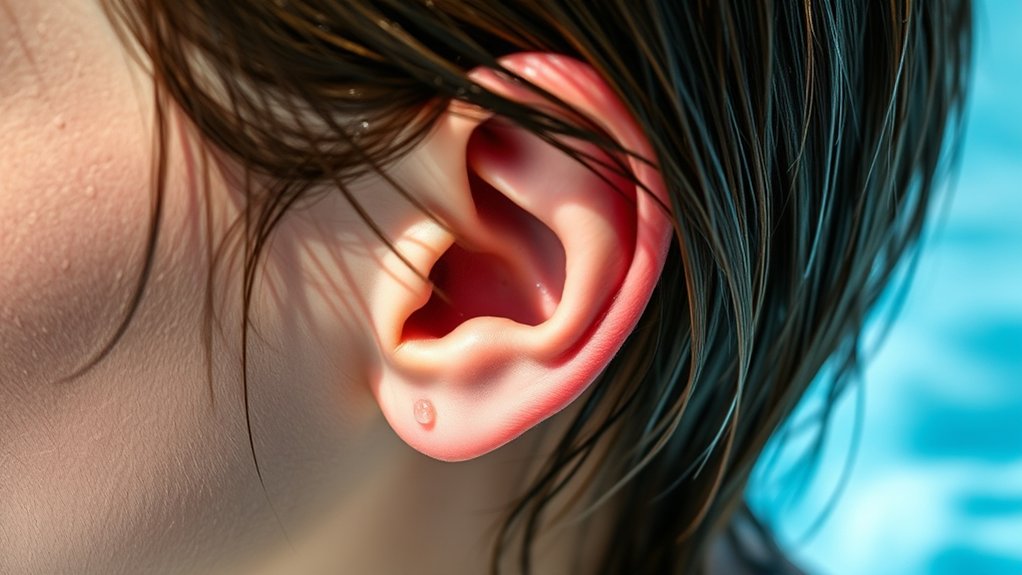
Swimmer’s ear is an infection in your outer ear canal caused by trapped moisture that fosters bacteria or fungi growth, often after swimming. You might notice itching, redness, pain when pulling your ear, or muffled hearing.
Treatment usually involves antibiotic or antifungal ear drops, and keeping your ear dry is essential. Over-the-counter pain relievers can help too.
If you want to understand prevention, safe ear care, and when to seek medical help, there’s more to explore.
What Is Swimmer’s Ear?
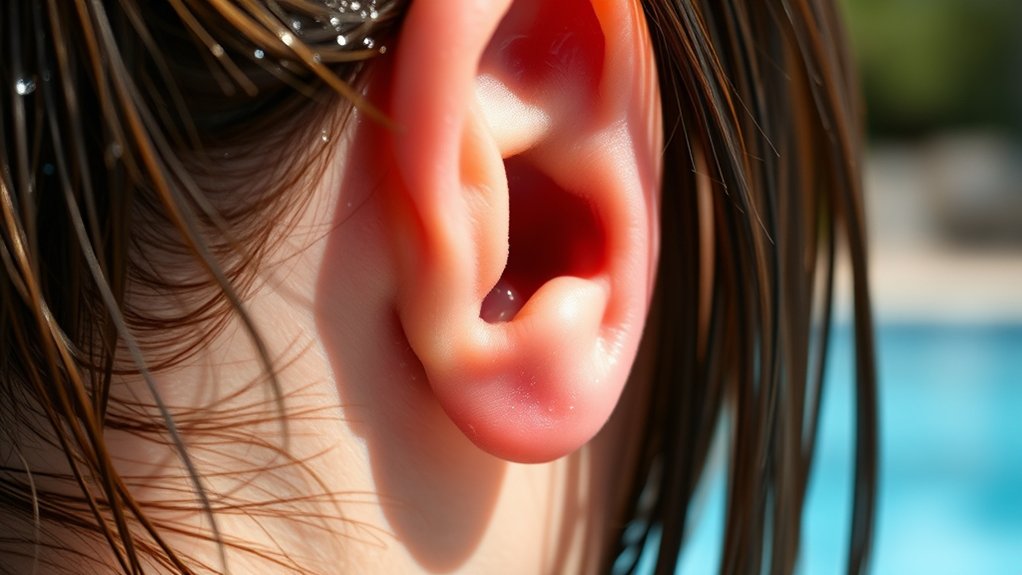
Swimmer’s ear, also known as otitis externa, is an infection of the outer ear canal caused primarily by bacteria or fungi that thrive in moist environments. You can develop swimmer’s ear when these microorganisms invade your outer ear canal, especially after exposure to water.
Common symptoms include itching, pain, fluid drainage, and a feeling of fullness in the ear. If untreated, the pain can worsen, and swelling may occur.
To diagnose the infection, a healthcare provider will examine your ear physically. Treatment usually involves antibiotic or antifungal ear drops to get rid of the bacteria or fungi causing the infection.
For prevention, keep your ears dry, use earplugs while swimming, and avoid putting objects into your ear canal. Taking prompt action and following these tips can help minimize discomfort and prevent complications from swimmer’s ear.
Common Causes of Swimmer’s Ear
Although many factors can lead to an outer ear infection, water trapped in the ear canal remains the primary cause of swimmer’s ear. This moisture creates an ideal environment for bacteria like *Pseudomonas aeruginosa*, responsible for otitis externa, to multiply rapidly.
You increase your risk of developing swimmer’s ear by swimming in lakes or poorly maintained pools where bacteria thrive.
Furthermore, skin conditions such as eczema or psoriasis can damage the ear canal’s protective barrier, making bacterial infection more likely.
Skin conditions like eczema or psoriasis compromise the ear canal’s barrier, increasing infection risk.
Inserting objects like cotton swabs can cause irritation or small wounds, allowing pathogens to enter.
Humid environments also contribute by preventing natural drying.
Understanding these causes helps you prevent swimmer’s ear and seek prompt treatment if irritation or symptoms of swimmer’s ear appear.
Doing this can minimize complications from this bacterial infection.
Symptoms of Swimmer’s Ear: Mild to Severe
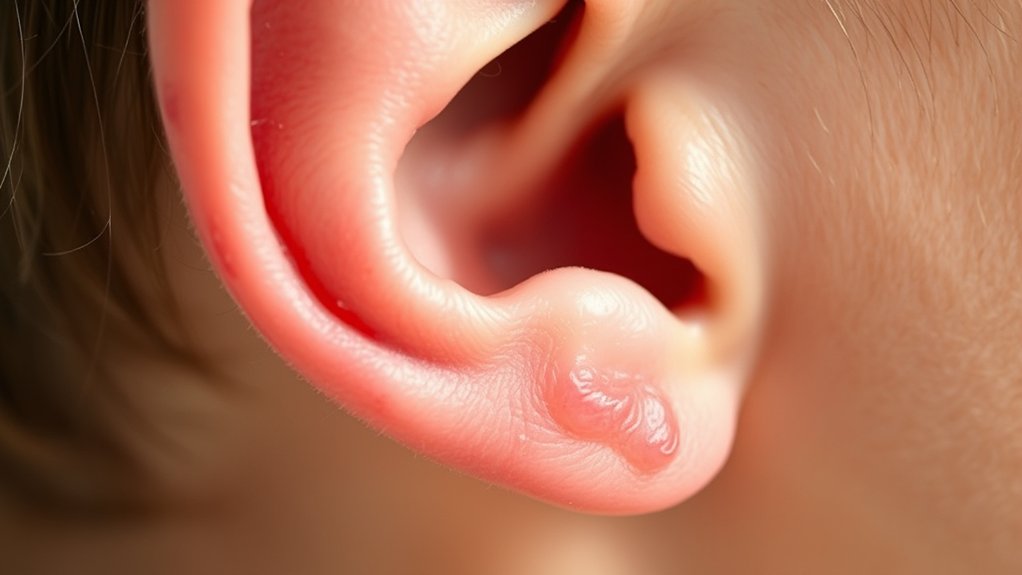
You might first notice some mild symptoms like itching, slight redness, and a bit of discomfort when you pull on your outer ear.
As the infection gets worse, you can expect more pain, a feeling of fullness, and muffled hearing.
In severe cases, the pain can become intense and even spread to your face or neck.
You might also experience ear canal blockage, swelling, and sometimes a fever.
If that happens, it’s important to seek urgent care.
Mild Symptoms Overview
A range of mild symptoms can signal the early stages of swimmer’s ear, so it’s important to recognize them promptly. You may notice itching within the ear canal accompanied by slight redness. Though this can be harder to detect on darker skin tones.
Mild discomfort often worsens when you pull on the outer ear, indicating irritation. Fluid drainage, usually clear or slightly cloudy, is another common mild symptom. Moreover, you might feel a sense of fullness or partial blockage, which can affect your hearing.
Early recognition of these mild symptoms is essential because it allows for prompt treatment. This helps you avoid progression to more severe pain and complications.
Paying close attention to these signs guarantees you address swimmer’s ear effectively in its initial stages.
Severe Symptoms Indicators
When swimmer’s ear progresses, severe symptoms become unmistakable and demand immediate attention. You’ll notice intense pain that may radiate to your face, neck, or head, signaling a serious infection. Swelling and redness of the outer ear, along with a blocked ear canal, indicate advanced swimmer’s ear.
Touching or pulling the outer ear worsens the pain. Swollen lymph nodes in your neck and a fever suggest the infection is spreading. Ignoring these severe symptoms can lead to complications like osteomyelitis, so seek medical attention promptly.
| Severe Symptom | Indicator/Effect |
|---|---|
| Intense pain | Radiates to face, neck, or head |
| Swelling & redness | Outer ear visibly affected |
| Blocked ear canal | Hearing obstruction |
| Swollen lymph nodes & fever | Infection spreading beyond outer ear |
Medical and Home Treatments for Swimmer’s Ear
Effective treatment for swimmer’s ear often combines medical interventions with home care practices to speed recovery and reduce discomfort. Prescription ear drops containing antibiotics or antifungals target the infection causing swimmer’s ear, while corticosteroids may reduce inflammation. Over-the-counter pain relievers like ibuprofen or acetaminophen help manage symptoms.
To complement medical treatment, home treatments such as applying a mixture of white vinegar and rubbing alcohol can dry the ear and inhibit bacterial growth. It’s crucial to keep the ear dry throughout treatment by gently drying the outer ear with a clean towel and avoiding water exposure.
If symptoms persist or worsen despite these measures, seek further medical evaluation to prevent complications. Following these steps guarantees effective swimmer’s ear treatment and promotes a quicker recovery.
Prevention Tips for Swimmer’s Ear
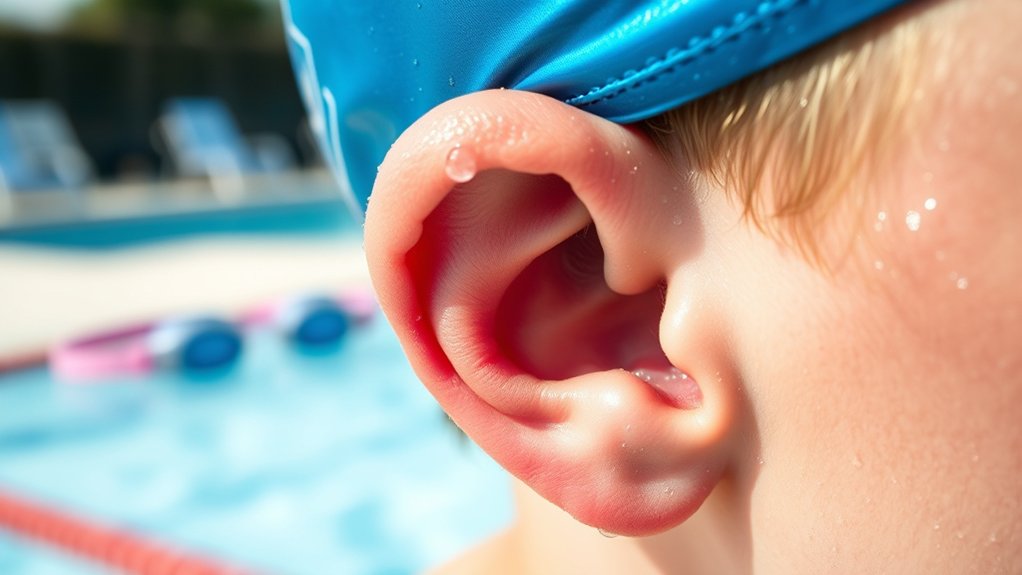
Since swimmer’s ear develops primarily from moisture trapped in the ear canal, keeping your ears dry after swimming or bathing is essential to prevention. Use a clean towel or tilt your head to help water drain effectively.
To prevent water from entering the ear during aquatic activities, especially in bacteria-prone environments, wear earplugs or a swim cap. Avoid swimming in untreated lakes or pools where bacteria levels can increase infection risks.
Wear earplugs or a swim cap and avoid untreated waters to reduce infection risks during swimming.
After swimming, applying a mixture of equal parts white vinegar and rubbing alcohol as ear drops helps dry the ear canal and prevent bacteria growth.
Never insert objects like cotton swabs into your ear, as they can irritate the skin and create openings for infection.
These steps help you actively prevent swimmer’s ear and maintain ear health. It’s all about keeping your ears dry and protected!
When to See a Doctor for Swimmer’s Ear
You should see a doctor if you experience severe pain, fever, swelling, or a foul-smelling discharge from your ear.
If you notice mild symptoms like itching and redness that last more than a few days, it’s a good idea to get them checked out too.
And if you start treatment but don’t see any improvement within three days, make sure to follow up with your healthcare provider.
Identifying Severe Symptoms
Although many cases of swimmer’s ear improve with home care, certain symptoms signal the need for prompt medical attention. If you experience severe pain radiating to your face, neck, or head, consult a healthcare provider immediately.
Persistent fever or swollen lymph nodes in your neck paired with ear discomfort are also warning signs.
Fluid drainage that’s yellow, green, or foul-smelling suggests a bacterial infection requiring treatment. Furthermore, if your ear feels completely blocked or symptoms worsen despite home care, seek urgent care to prevent complications of swimmer’s ear.
Recognizing these symptoms of swimmer’s ear early helps guarantee timely intervention and reduces the risk of serious infection or prolonged discomfort.
Don’t hesitate to get professional help when needed. It’s always better to be safe and get checked out if you’re unsure.
Urgent Medical Attention
When severe pain, swelling, or redness affects your outer ear, you should seek urgent medical attention. These signs may indicate a more serious infection that needs prompt treatment. If you experience a fever alongside these symptoms, consult a doctor immediately to rule out complications.
Those with a weakened immune system or diabetes must be especially vigilant. They should seek medical evaluation promptly, as they face higher risks from untreated swimmer’s ear.
Persistent or worsening symptoms, like ongoing itching or drainage, also mean it’s time to see a professional. Ignoring these signs can lead to severe complications such as cellulitis or bone infections.
Timely medical evaluation guarantees appropriate treatment and helps prevent swimmer’s ear from progressing into more dangerous conditions. Don’t delay care if symptoms persist beyond a few days or get worse.
Follow-Up Care Guidelines
Severe pain, fever, or swelling around the ear often signal complications that require prompt medical care. If your swimmer’s ear symptoms persist or worsen after three days of treatment, contact a healthcare provider to reassess your treatment plan.
Children and those with recurring swimmer’s ear should seek medical advice sooner to prevent complications. Also, be alert to any drainage, especially foul-smelling, which warrants immediate consultation.
| When to See a Doctor | Why It’s Important |
|---|---|
| Severe pain or swelling | Possible complications need treatment |
| Fever | Indicates infection severity |
| Persistent symptoms | May need adjusted treatment |
| Recurring swimmer’s ear | To explore preventive measures |
| Foul-smelling drainage | Signs of serious infection |
Following these guidelines guarantees effective treatment and helps prevent swimmer’s ear complications.
How to Clean Your Ears Safely at Home
Three effective steps can help you clean your ears safely at home without causing damage. To prevent swimmer’s ear, which is an infection of the outer ear, it’s essential to clean your ears properly.
Also, try to avoid getting water in your ear unnecessarily.
Here’s what you can do: soften earwax with a few drops of baby oil, mineral oil, glycerin, or diluted hydrogen peroxide before cleaning.
Then, use a rubber-bulb syringe to gently flush warm water into the ear canal. After that, tilt your head to let the water drain out.
Avoid cotton swabs since they can push wax deeper and might cause injury.
After swimming or bathing, make sure to dry your ears thoroughly with a towel or a hairdryer on a low setting.
Regularly checking and safely cleaning your ears helps prevent swimmer’s ear and keeps your ears healthy. It’s a simple routine that goes a long way!
Tips for Managing Swimmer’s Ear Discomfort
Proper ear care after swimming helps reduce your risk of developing swimmer’s ear. But if discomfort arises, managing the symptoms promptly can make a big difference.
To ease ear pain or itchiness, you can use over-the-counter pain relievers like ibuprofen or acetaminophen. Applying a warm compress to the outer ear can also soothe inflammation and reduce discomfort.
It’s essential to keep water out of your ear and dry the outer ear gently with a towel after swimming or bathing. This helps prevent swimmer’s ear from getting worse.
You can use ear drops to fight mild symptoms. Try a mixture of equal parts white vinegar and rubbing alcohol to dry excess moisture.
Most importantly, avoid inserting objects into your ear canal because this can aggravate the condition and introduce bacteria.
Frequently Asked Questions
Can Swimmer’s Ear Cause Permanent Hearing Loss?
Yes, swimmer’s ear can cause permanent hearing loss if you ignore the infection risk and delay treatment. You need to be aware of the symptoms so you can catch any issues early.
Following prevention tips, like drying your ears after water exposure, helps reduce the risk. While home remedies might ease discomfort, it’s important to always seek medical advice.
This is especially true if you have chronic conditions or are older, as these factors increase vulnerability.
Prompt and proper care prevents complications and effectively protects your hearing health.
Is Swimmer’s Ear Contagious to Others?
No, swimmer’s ear isn’t contagious, so you don’t have to worry about spreading it to others. Understanding common misconceptions helps you focus on swimmer’s ear prevention through proper ear hygiene tips and avoiding risk factors.
If you notice swimmer’s ear symptoms, explore treatment options or home remedies promptly.
Pediatric concerns and seasonal variations also affect vulnerability, so stay vigilant.
Maintaining dry ears and avoiding irritants remain your best defenses against swimmer’s ear.
Can Swimmer’s Ear Occur Without Swimming?
Think of your ear as a delicate garden. Swimmer’s ear can bloom even without swimming if risk factors like trapped moisture, skin irritation, or humid environments invade.
You can prevent it by keeping good ear hygiene and avoiding cotton swabs. People often think it’s only linked to swimming, but age and environmental factors also play a role.
Diagnostic criteria help guide treatment. This includes alternative methods and lifestyle changes to reduce recurrence and protect your ear’s health effectively.
Are There Specific Earplugs Recommended for Swimmer’s Ear Prevention?
You’ll want swimming earplugs that offer a custom fit or moldable varieties for maximum comfort.
Waterproof options are important too, as they effectively block water from getting in.
Silicone plugs are pretty popular because they combine comfort with antibacterial features. This helps reduce the risk of infection, which is great.
If you prefer quieter use, look for plugs with noise reduction.
Just make sure to always follow usage guidelines to keep them clean and effective.
Choosing the right earplugs really helps prevent swimmer’s ear by keeping moisture out and protecting your ear canal.
It’s a simple step that makes a big difference.
How Long Does Swimmer’s Ear Typically Take to Heal?
Swimmer’s ear duration typically lasts 7 to 10 days with proper treatment. You’ll notice symptoms improve within 3 days after starting ear drops, while pain management helps ease discomfort.
Following treatment options and preventive measures reduces risk factors and speeds recovery.
Home remedies can support healing, but medical consultation is vital for severe cases. Aftercare tips like keeping ears dry guarantee the infection doesn’t return, promoting faster and safer healing.
Just make sure to stick with the treatment plan your doctor recommends for the best results.
Conclusion
Swimmer’s ear might seem like a minor irritation, but ignoring it can lead to serious infections. Don’t worry, you don’t have to avoid swimming or struggle through discomfort. With proper care and timely treatment, you can heal quickly and get back to your routine.
Remember, if symptoms worsen or persist, seeing a doctor is essential to prevent complications. Taking simple preventive steps helps you enjoy water activities without worry.