Can You Swim While Pregnant – Safety Tips
You can swim safely during pregnancy by consulting your healthcare provider first and choosing secure, supervised environments with calm, shallow water. Keep the temperature below 92.1°F to avoid overheating and stay hydrated throughout.
Pay close attention to your body. Stop if you feel dizzy, breathless, or experience any discomfort. Avoid open water because of currents and infection risks.
Swimming offers many benefits. Understanding safety tips can help you enjoy it comfortably and confidently.
Swimming Safety During Pregnancy: Is It Safe?
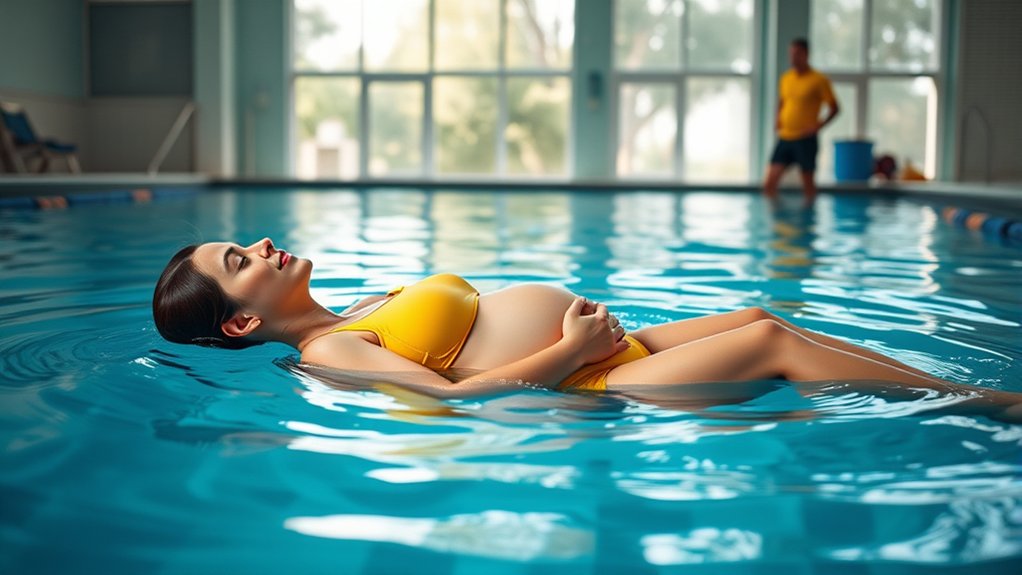
How safe is swimming during pregnancy? Swimming is generally safe during pregnancy and is often recommended by healthcare professionals as a low-impact exercise that helps reduce discomfort.
Before you start, make sure to consult your healthcare provider, especially if you have any medical conditions or pregnancy complications.
To stay safe, swim in familiar, secure environments. Avoid deep water and strong currents.
It’s also really important to monitor the water temperature. Don’t swim in water warmer than 92.1°F (33.4°C), as overheating can harm fetal development.
Remember to stay hydrated and listen to your body. If you feel tired, dizzy, or uncomfortable, stop swimming.
Following these tips will help you enjoy swimming while keeping both you and your baby safe and healthy.
Benefits of Swimming During Pregnancy
Swimming during pregnancy is a great way to strengthen your cardiovascular system.
Plus, it can help ease those common discomforts like back pain and swelling.
On top of that, it really gives your mood a boost by reducing stress and promoting mental well-being.
Cardiovascular Health Boost
Although pregnancy brings many physical changes, you can maintain and even boost your cardiovascular health by engaging in low-impact aerobic exercise like swimming. This form of exercise enhances cardiovascular fitness by improving blood circulation and oxygen delivery to both you and your baby.
Swimming’s buoyancy reduces joint and muscle strain, making it a safe, low impact exercise option throughout pregnancy.
Healthcare professionals recommend about 150 minutes of swimming weekly to support heart health and build endurance for labor. Plus, regular swimming helps manage pregnancy-related weight gain, lowering risks such as gestational diabetes and hypertension.
By incorporating swimming into your routine, you actively promote your cardiovascular system’s efficiency while nurturing your overall well-being during this transformative time.
It’s a simple way to take care of yourself and your baby at the same time.
Pain Relief Benefits
Because water supports your body’s weight, you’ll experience less pressure on your spine and joints. This can greatly reduce lower back and pelvic discomfort during pregnancy.
When you swim while pregnant, the gentle resistance of water helps improve muscle tone and endurance, easing common pregnancy aches and pains.
Plus, submerging in cool water can immediately relieve swelling in your ankles and feet by promoting fluid circulation. This buoyancy also reduces pressure on the sciatic nerve, which might help alleviate sciatic pain.
By choosing swimming as a low-impact exercise, you give your body supportive relief from discomfort. It’s a safe and effective way to manage pregnancy-related pain.
Incorporating swimming into your routine offers targeted pain relief while supporting your overall physical well-being during pregnancy.
Mood Enhancement Effects
Beyond alleviating physical discomfort, engaging in water exercise can have a profound positive impact on your emotional well-being during pregnancy.
Swimming triggers the release of endorphins, naturally boosting mood enhancement and helping to reduce anxiety and depression. The buoyancy of water promotes relaxation, easing stress while providing a calming effect on both body and mind.
As you swim, the rhythmic motion encourages a meditative state, helping you focus on breathing and clear your thoughts.
Regular exercise while pregnant also supports mental well-being by improving sleep quality, which is often disrupted during pregnancy.
Furthermore, participating in swimming classes or group sessions offers social interaction, fostering a sense of community and emotional support during this important change.
Swimming truly supports your mental and emotional health throughout pregnancy.
How to Stay Safe While Swimming Pregnant
When you decide to swim during pregnancy, prioritizing safety is essential for both you and your baby. To guarantee safe swimming, always consult your healthcare provider first, as they can advise based on your unique health and how your pregnancy progresses.
Prioritize safety when swimming during pregnancy by consulting your healthcare provider for personalized advice.
Choose familiar, hazard-free locations like pools or calm lakes. Avoid areas with strong currents or sharp objects to keep things safe. Wear non-slip shoes when entering and exiting the water to reduce slipping risks.
Stay hydrated by drinking water before, during, and after swimming. Take breaks if you feel tired or uncomfortable. Listening to your body helps you stay safe throughout your swim, preventing overexertion and stress.
Following these guidelines supports a healthy, enjoyable swimming experience during pregnancy. Just take it easy and enjoy the water!
Swimming Temperature Guidelines for Pregnant Women
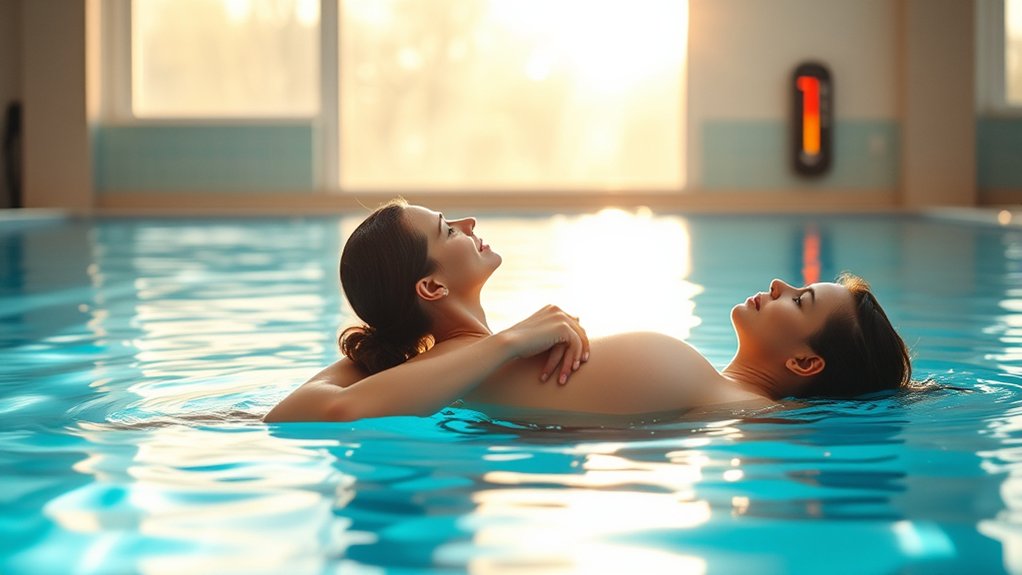
Although swimming offers many benefits during pregnancy, you need to pay close attention to water temperature to protect both yourself and your baby. Following swimming temperature guidelines is vital to avoid overheating, which can increase the risk of birth abnormalities, especially during the first trimester.
Ideally, swim in water that feels comfortably cool, between 78°F (25.6°C) and 84°F (28.9°C). Avoid water exceeding 102.2°F (39°C), including hot tubs and hot springs. Prolonged exposure to high heat poses serious risks.
Cold water swimming is also discouraged due to potential shock or illness. Always monitor how you feel during your swim. If you notice signs of overheating, exit the water promptly and cool down.
Maintaining safe water temperatures guarantees a safer, more comfortable swimming experience for you and your developing baby. Just listen to your body and enjoy your time in the water!
Best Swimming Environments During Pregnancy
Since your safety and comfort are paramount during pregnancy, choosing the right swimming environment is essential. The best swimming environments during pregnancy include well-maintained chlorinated pools, calm lakes, and oceans. These settings help reduce risks like infections and strong currents.
Always pick familiar locations with moderate water temperatures below 92.1°F (33.4°C) to avoid overheating. Swimming in supervised areas or with a buddy enhances safety for pregnant women. This way, you have immediate help if needed.
| Environment | Benefits | Precautions |
|---|---|---|
| Chlorinated Pools | Controlled sanitation, safety | Guarantee proper maintenance |
| Calm Lakes | Natural, gentle currents | Avoid untreated water |
| Oceans | Moderate activity, fresh air | Choose safe, familiar beaches |
| Open Water | Not recommended | Risk of currents, infections |
How to Prepare for Swimming During Pregnancy
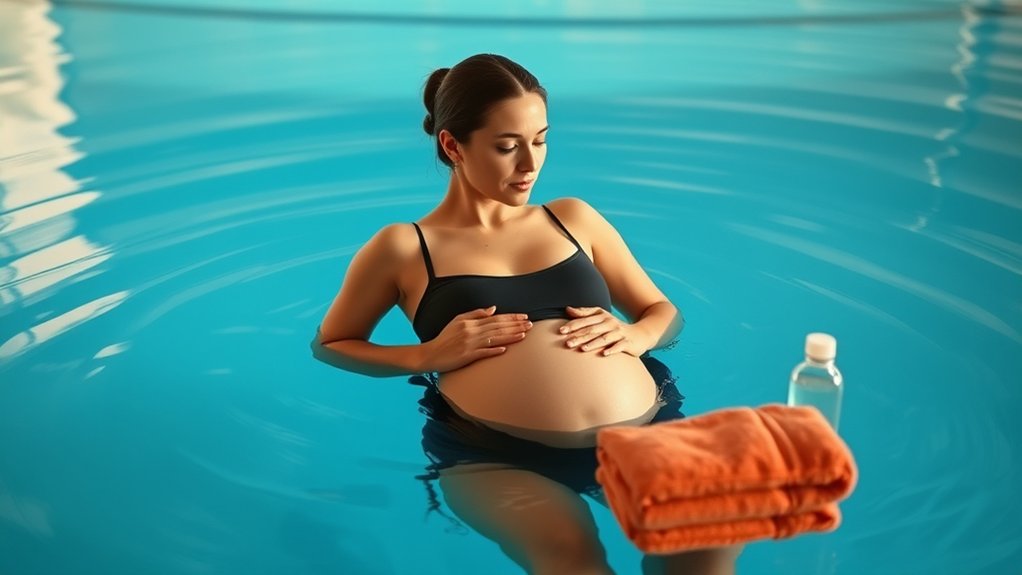
Before you begin swimming during pregnancy, it’s important to consult your healthcare provider to confirm that it’s safe for your individual condition.
Once cleared, select a comfortable maternity swimsuit that supports your changing body.
Choose a supportive maternity swimsuit that adapts comfortably to your body’s changes.
Try to prioritize swimming during pregnancy in safe, familiar environments such as chlorinated pools, which reduce infection risks compared to open water.
Monitor the water temperature to keep it below 92.1°F (33.4°C) to avoid overheating.
Stay well-hydrated by drinking water before, during, and after your swim.
You might also want to consider light snacks to meet increased caloric demands.
When to Stop Swimming: Warning Signs to Watch For
You should stop swimming right away if you start feeling any physical discomfort like pain, breathlessness, or dizziness. These symptoms can be signs of something serious.
Also, keep an eye out for urgent warning signs like sudden swelling, cramping, or overheating. If you notice any of these, it’s important to get medical help quickly.
Basically, listening to your body is key to keeping both you and your baby safe while you exercise.
Physical Discomfort Signals
Although swimming is generally safe during pregnancy, recognizing physical discomfort signals is essential to protect both you and your baby. If you experience breathlessness, dizziness, or any discomfort, especially in your abdomen or pelvic area, stop swimming immediately.
These symptoms mean your body needs rest and hydration. Pay attention to swelling or cramping in your legs or feet, as these can signal underlying issues requiring medical advice.
| Symptom | Action to Take |
|---|---|
| Breathlessness | Stop swimming and rest |
| Abdominal discomfort | Exit water and consult healthcare provider |
| Dizziness | Take a break, hydrate, and monitor symptoms |
Urgent Medical Symptoms
When urgent medical symptoms arise while swimming during pregnancy, stopping immediately can protect both you and your baby from potential harm. Recognize these warning signs and act promptly.
If you feel short of breath or lightheaded, stop swimming and rest to prevent strain.
Any sudden or persistent swelling in your limbs or abdomen should be checked by a healthcare provider.
If you notice vaginal bleeding or don’t feel your baby moving, stop swimming right away and seek urgent medical advice.
If you experience discomfort or pain while swimming, get out of the water and see a doctor if the symptoms don’t go away.
Always put your safety first by listening to your body and contacting your healthcare provider when anything feels off.
Resuming Swimming Safely After Pregnancy
Since your body needs time to heal after childbirth, waiting at least six weeks before resuming swimming is essential.
That said, you should definitely check in with your healthcare provider for personalized advice. Everyone’s recovery is different, so getting the green light from your doctor is key.
When you start swimming again, keep an eye out for any signs of infection like unusual discharge or fever. This helps make sure you’re staying safe as your body recovers.
It’s best to begin with gentle sessions and slowly build up your time and effort as your strength comes back.
Try to swim in safe environments, like private or well-maintained pools, to lower the risk of infection during recovery.
Wearing a supportive maternity swimsuit can make you feel more comfortable and confident while you get back into the swim of things.
Taking these precautions helps your body heal and lets you enjoy the benefits of swimming safely after pregnancy.
Frequently Asked Questions
Can Swimming Help Reduce Pregnancy Swelling?
Yes, swimming can help reduce pregnancy swelling by promoting fluid circulation and easing pressure on your joints.
With proper water safety and swimming techniques, you’ll enjoy pregnancy benefits like decreased inflammation and improved cardiovascular health. The buoyancy of water supports your body, reducing discomfort and fluid retention.
Just remember to use gentle strokes and avoid overexertion.
Swimming regularly can enhance muscle tone and endurance, which helps you manage swelling more effectively throughout your pregnancy. It’s a great way to stay active and comfortable at the same time.
Are There Specific Swimming Strokes to Avoid While Pregnant?
You should avoid strokes requiring excessive twisting, like the butterfly, to protect your abdomen and lower back.
Focus on stroke modifications that emphasize gentle, low-impact movements, such as backstroke and freestyle. Pay close attention to breath control to prevent overexertion.
The buoyancy benefits of water help reduce strain, so prioritize comfort and safety by listening to your body.
Adjust your swimming routine accordingly throughout pregnancy. It’s all about going at your own pace and feeling good while you swim.
How Often Should Pregnant Women Swim Weekly?
You should aim to swim three to five times a week, totaling around 150 minutes of moderate exercise. This frequency supports your cardiovascular health and eases pregnancy discomforts.
Incorporating prenatal swimming classes can enhance safety and technique while providing water aerobics benefits.
Always follow swimming safety tips. Listen to your body, adjust intensity, and avoid overexertion.
This balanced routine helps you stay fit and comfortable throughout your pregnancy journey.
Just remember to take it easy and enjoy the water!
Can Swimming Improve Labor and Delivery Outcomes?
Yes, swimming can improve labor and delivery outcomes by enhancing your cardiovascular fitness and muscle strength through prenatal exercise.
Aquatic therapy offers low-impact resistance, helping reduce stress and promote relaxation, which are essential for labor.
Plus, swimming supports better circulation, increasing oxygen supply to you and your baby.
These benefits align closely with water birth benefits, making swimming a valuable preparation method for a smoother, less complicated delivery.
Is It Safe to Swim During the First Trimester?
Swimming safely during your first trimester offers fantastic benefits, like easing fatigue and morning sickness.
You should prioritize swimming safety by consulting your healthcare provider and avoiding water temperatures above 102.2°F to prevent overheating.
Staying hydrated and protecting your skin are essential too.
Conclusion
Swimming while pregnant can be a safe and beneficial way to stay active, but have you thought about how to do it wisely? Following temperature guidelines and choosing the right environment are key. Plus, it’s important to listen to your body.
You can enjoy swimming without risking your health or your baby’s by staying mindful. Always watch for warning signs, and if you’re unsure, don’t hesitate to consult your healthcare provider. Prioritizing safety helps both you and your little one thrive during this special time.