Can You Swim On Your Period – Facts And Tips
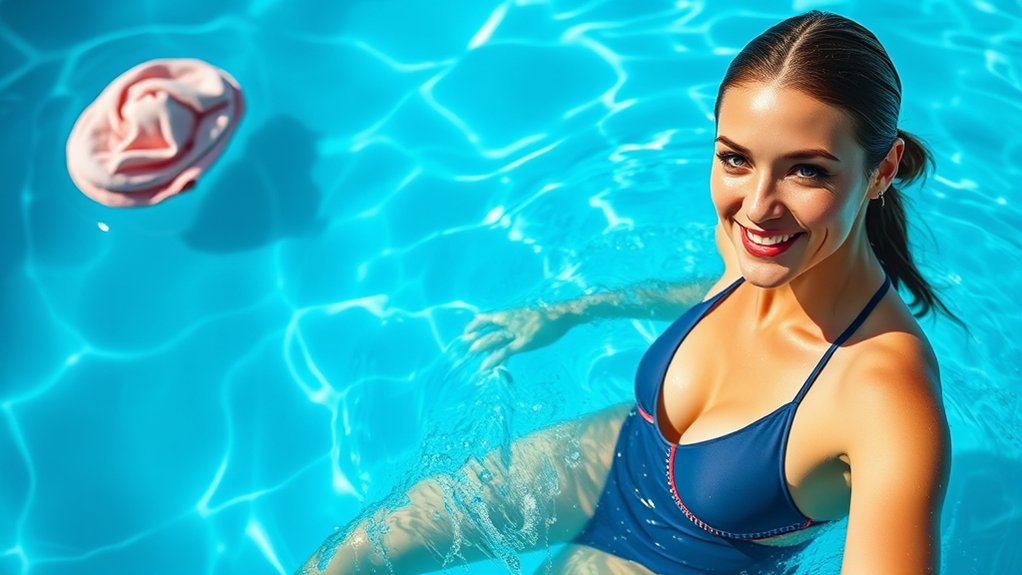
Yes, you can swim on your period safely and hygienically. Chlorine in pools helps neutralize bacteria, and using tampons or menstrual cups offers reliable leak protection. Water pressure might reduce flow but won’t stop it completely, so changing your product before and after swimming is key.
Consider period-friendly swimwear for extra security and comfort. Swimming can even ease cramps by boosting circulation and releasing endorphins. Explore more tips to confidently enjoy swimming during your cycle.
Is It Safe and Hygienic to Swim When You Have Your Period?
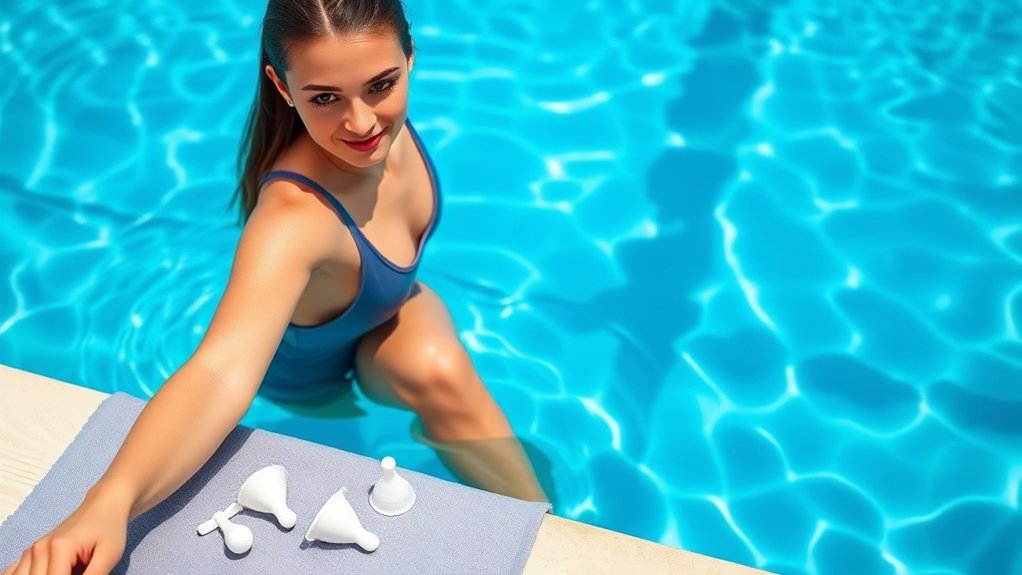
Wondering if swimming during your period is safe and hygienic? The answer is yes. Chlorine in pools effectively neutralizes bacteria, treating menstrual blood much like sweat. So, you don’t have to worry about hygiene.
Swimming during your period is safe—chlorine neutralizes bacteria, keeping the water hygienic and worry-free.
Using tampons or menstrual cups while swimming can prevent leakage since these products manage flow better than pads, which absorb water. Water pressure may temporarily reduce your menstrual flow, but it won’t stop it completely. Any small amount released quickly dilutes in the water.
Remember to practice good hygiene by washing your hands before and after handling menstrual products. This helps keep swimming comfortable and safe.
If you have concerns, don’t hesitate to consult your healthcare provider for personalized advice on swimming during your period.
Best Menstrual Products for Swimming: Tampons, Cups, and Swimwear
Anyone who swims during their period knows how important it is to pick the right menstrual product to stay comfortable and leak-free. Tampons are a popular choice. They absorb menstrual blood discreetly and should be changed every 4 to 8 hours.
Menstrual cups collect flow without absorption and can last up to 12 hours, which makes them ideal for swimming during your period. Period-friendly swimwear comes with built-in absorbent layers, offering backup without any discomfort.
Just a heads up, pads aren’t recommended because they soak up water and lose their effectiveness.
| Product | Key Benefit |
|---|---|
| Tampons | Super absorbent, discreet |
| Menstrual Cups | Leak protection, long wear |
| Period-Friendly Swimwear | Extra absorbency, comfort |
Picking the right product helps you stay confident and supports your menstrual health while you’re in the water.
How to Prevent Leaks When Swimming on Your Period
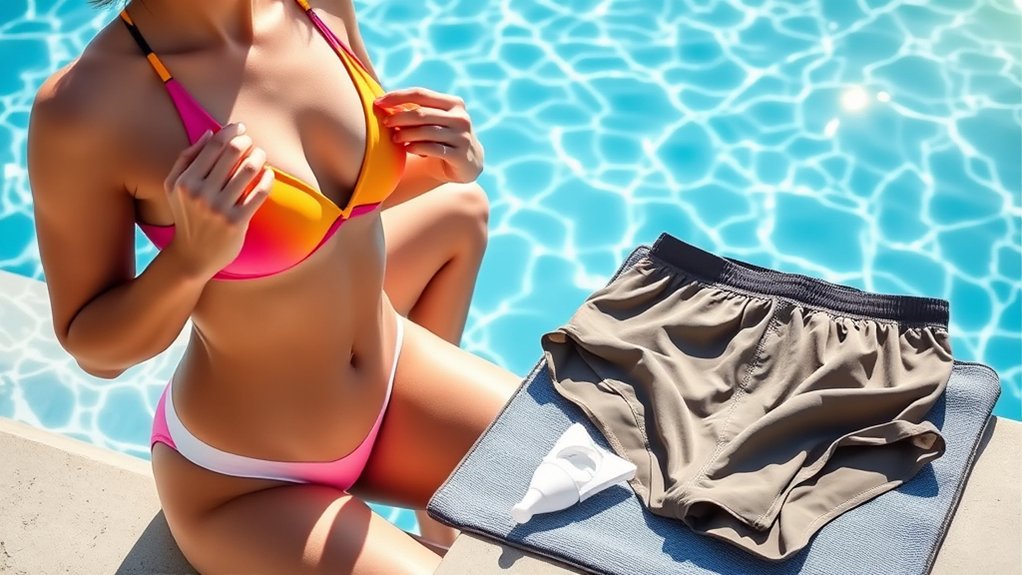
If you want to prevent leaks when swimming on your period, it’s best to go for effective menstrual products like tampons or menstrual cups.
Pads aren’t the best choice because they can soak up water and end up leaking.
Make sure to insert a fresh product right before you jump in the water.
Then, change it soon after swimming to stay protected and comfortable.
You can also wear period-friendly swimwear for an extra layer of security and peace of mind.
It really helps you feel more confident while you enjoy your swim!
Effective Menstrual Products
Although swimming on your period might feel challenging, choosing the right menstrual products can prevent leaks and keep you comfortable in the water.
Tampons and menstrual cups are the most effective menstrual products for swimming because they prevent leaks while submerged and can absorb a significant flow.
Select a tampon or cup that matches your flow. Tampons should be changed every 4 to 8 hours, while menstrual cups can stay in for up to 12 hours.
Avoid pads, as they absorb water and lose adhesion, increasing leak risk.
For added security, consider period-friendly swimwear with built-in absorbent layers that hold the equivalent of one to two tampons.
Remember to maintain hygiene by washing your hands before and after use. Change your product promptly after swimming to stay fresh and leak-free.
Tips For Leak Prevention
Choosing the right menstrual products sets the foundation for a confident swim during your period, but preventing leaks requires a few more practical steps. Use tampons or menstrual cups, as they offer reliable leak prevention in water. Pads won’t work since they absorb water instead of blood.
Change your tampon or empty your menstrual cup soon after swimming to maintain maximum effectiveness.
Consider period-friendly swimwear with absorbent layers that can hold blood equivalent to one or two tampons. This gives you extra security.
Opt for dark-colored swimwear to conceal any unexpected leaks and boost your confidence.
Always practice good hygiene by washing your hands before and after changing menstrual products to avoid infections.
Following these tips guarantees you stay comfortable and leak-free in the pool or ocean.
How Your Period Flow Changes While Swimming
When you swim, the water pressure can actually slow down your period flow for a little while by working against gravity.
But don’t worry—it won’t stop your period completely. While you’re underwater, the amount of blood that’s released is usually pretty minimal and it quickly spreads out in the water, so leaks are pretty rare.
Then, once you get out of the water, your flow usually goes back to normal.
Sometimes it might even feel like it’s increased a bit. That’s why it’s super important to use reliable menstrual products when you’re swimming or right after.
Flow Changes In Water
Because water pressure gently compresses your body while you’re swimming, your menstrual flow slows down temporarily but doesn’t stop completely. This means the flow changes in water are pretty subtle.
A small amount of blood might be released, especially during activities like coughing or sneezing, but it’s usually minimal and hard to detect since it quickly dilutes.
Once you leave the water, gravity kicks back in, and your menstrual flow usually goes back to its normal pattern. It helps to be aware of your cycle and flow levels before and during swimming so you can set the right expectations and pick the best protection.
Knowing how flow changes in water lets you enjoy swimming without worrying about unexpected leaks or discomfort. So, you can just relax and have fun!
Water Pressure Effects
Three key factors influence how your period flow changes while swimming, with water pressure playing the most significant role.
Water pressure temporarily reduces your menstrual flow by compressing blood vessels, but it doesn’t completely stop it since gravity still acts on your body. As a result, the amount of blood released into the water is minimal and quickly diluted, making it barely noticeable.
You might notice slight releases if you cough or sneeze underwater, but these are small and disperse rapidly.
Understanding these effects helps you build confidence when swimming during your period. To manage leakage effectively, use appropriate menstrual products or discreet products designed for water activities.
This way, you can enjoy swimming while confidently controlling your flow and minimizing any concerns about blood release.
Post-Swim Flow Resumption
Although water pressure reduces your menstrual flow while you swim, your body quickly returns to its normal rhythm once you’re out of the pool. This post-swim flow resumption happens because the counteraction of water pressure that causes a temporary reduction in menstrual flow disappears.
Here’s what to expect: Your menstrual flow resumes its normal pattern shortly after swimming, so leakage might increase once you’re dry. Minimal leakage of menstrual blood can occur in the water, especially during movement or coughing, but it’s usually not noticeable.
To manage period products effectively, consider changing them right after swimming to handle the resumed flow comfortably.
Understanding these shifts helps you stay confident and prepared while swimming on your period.
Managing Heavy Period Flow While Swimming
When managing heavy period flow while swimming, choosing the right menstrual product is essential to prevent leaks and stay comfortable.
For swimming on your period with heavy flow, menstrual cups and super absorbent tampons are your best options. They hold a lot of volume and help minimize the risk of leaks.
Make sure to track your personal flow levels so you can pick the right absorbency. It’s a good idea to change your menstrual products every 4 to 8 hours to stay fresh and safe.
Track your flow and change products every 4 to 8 hours for comfort and safety.
Many menstrual cups can safely hold flow for up to 12 hours, which makes them super convenient for swimming.
If your bleeding is very heavy, it’s smart to talk to a healthcare provider before swimming. They can help you discuss any concerns and suggest other ways to manage heavy periods.
With the right prep, it’s totally safe to swim during your heavy days.
Can Swimming Help Relieve Menstrual Cramps?
If you’re dealing with menstrual cramps, swimming can offer surprising relief by triggering the release of endorphins, your body’s natural painkillers. This physical activity not only helps relieve menstrual cramps but also improves your overall mood by reducing menstrual-related symptoms.
Here’s how swimming helps:
- The buoyancy of water lessens pressure on your lower body, soothing discomfort and easing cramps.
- As an aerobic exercise, swimming boosts blood circulation, which can reduce muscle tension linked to cramping.
- Regular swimming helps maintain an active lifestyle, which studies show reduces symptoms and improves well-being during your period.
Even with menstrual blood present, swimming is a gentle, effective way to reduce symptoms and support your body during menstruation.
Give it a try—you might be surprised at how much it helps!
Busting Common Myths About Swimming on Your Period
Many people hesitate to swim during their period because of common misconceptions, but understanding the facts can help you feel confident and comfortable in the water. It’s safe to swim on your period. Chlorine in swimming pools effectively treats menstrual fluid, so hygiene concerns are a common myth.
You can use tampons and menstrual cups to prevent leaks, even with a heavy flow. Plus, swimming can actually alleviate cramps, thanks to the endorphins released during exercise. Here’s a quick myth-busting guide:
| Common Myth | Fact |
|---|---|
| Menstrual blood is unhygienic | Chlorine makes pools safe to swim |
| Sharks are attracted to periods | No scientific evidence supports this claim |
| Pads are the only swim option | Tampons and menstrual cups work effectively |
| Swimming worsens cramps | Swimming helps alleviate cramps |
Don’t let myths stop you from enjoying the water during your period.
Swimmer Tips for Comfort and Leak Prevention on Your Period
Although swimming during your period can feel intimidating, you can stay comfortable and confident with the right strategies. To guarantee effective leak prevention and comfort, consider these tips:
Use a tampon or menstrual cup before you swim. Water pressure may reduce your menstrual flow temporarily, but it won’t stop it, so these products provide reliable protection.
Change tampons every 4 to 8 hours and choose higher absorbency on heavier flow days to maintain hygiene and comfort.
Invest in period-friendly swimwear, which can hold the equivalent of one to two tampons. Remember to change it every 12 hours for maximum effectiveness.
Always wash your hands before and after handling menstrual products.
With these steps, you can swim confidently without worrying about leaks or discomfort during your period.
Frequently Asked Questions
Can Swimming Affect the Duration of My Period?
Swimming won’t affect the duration of your period, despite common period myths. It may actually ease menstrual cramps and boost your swim confidence.
Just pay attention to the water temperature and practice good menstrual hygiene.
Using tampons can help with comfort while you swim.
Swimming benefits your overall health, but if you prefer, you can explore other exercise options too.
Tracking your cycle helps you understand your body better.
Use comfort measures to feel your best while staying active during your period.
Are There Specific Swim Strokes Better for Period Comfort?
You’ll find freestyle and backstroke offer better comfort levels during your period due to natural body positioning and stroke efficiency.
These swimming techniques reduce pressure on your abdomen, which helps manage menstrual flow discomfort.
Pay attention to your body awareness and choose strokes that suit your personal preferences, swimwear choices, and water temperature.
This boosts your confidence and mental relaxation in the pool, making your period swim more enjoyable.
How Soon After Swimming Should I Change My Menstrual Product?
Right after you step out of the water, imagine feeling fresh and confident by changing your menstrual product within 30 minutes.
Whether you use tampons or menstrual cups, this quick swap helps maintain swimming hygiene and prevents leaks.
Use tampon insertion techniques for comfort or enjoy menstrual cup benefits like longer wear time.
Consider swimwear choices and water temperature effects.
Also, track your cycle with period tracking apps to time workouts and beach safety perfectly.
It’s all about making your swim and your period as worry-free as possible.
Can Swimming on My Period Impact My Skin or Cause Infections?
Swimming on your period won’t inherently cause infections or make your skin more sensitive as long as you keep up with proper menstrual hygiene.
The chlorine in pools actually helps reduce bacteria growth, so it can lower your risk of infection.
It’s a good idea to use menstrual products like tampons or cups while swimming to prevent leaks and irritation.
Also, pay attention to the water temperature and the type of swimsuit you wear to avoid any skin discomfort.
After you’re done swimming, change your menstrual product right away and follow a good skincare routine.
This helps prevent yeast infections or any other skin issues.
Is It Safe to Use Pain Relief Medication Before Swimming During Periods?
Yes, using pain relief options like ibuprofen or acetaminophen before swimming during your period is generally safe and can boost your swimming comfort.
These medications effectively manage menstrual pain, helping you feel more confident in the water.
Just be aware of possible side effects and how hormones might influence your body.
It’s also a good idea to consider alternative therapies sometimes.
Listen to expert opinions and personal experiences to find what works best for you while keeping your swimming confidence high.
Conclusion
Swimming during your period is not only safe but can also ease cramps and boost your mood. Did you know that 70% of women feel more comfortable swimming with a tampon or menstrual cup?
Using the right products and following leak prevention tips guarantees you stay confident and hygienic in the water. Embrace swimming as a natural part of your routine, period or not.
With these expert-backed insights, you’ll stay comfortable and worry-free every time you take a dip.