Can You Swim In Salt Lake – What To Know
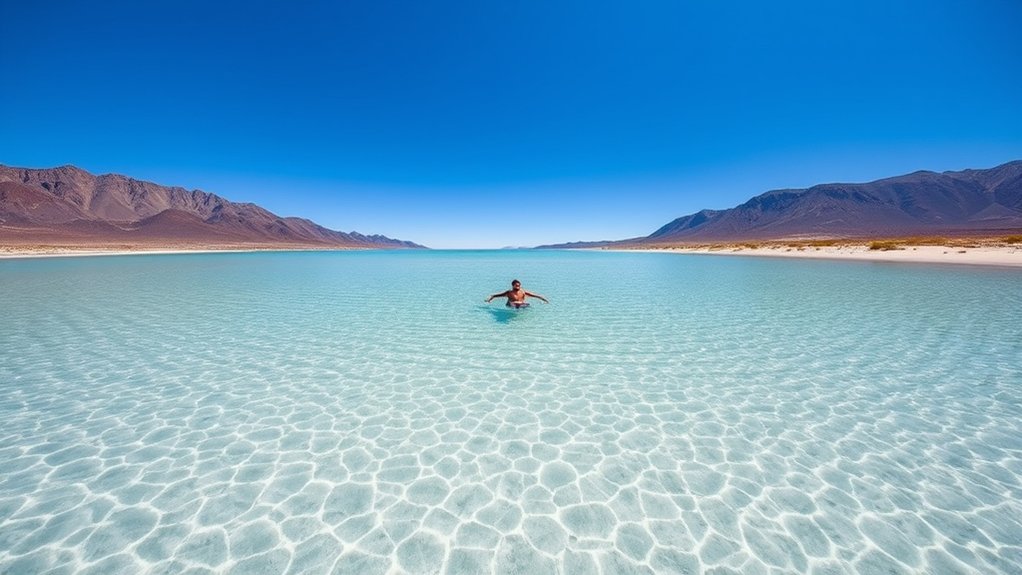
You can swim in the Great Salt Lake, but expect a truly unique experience thanks to its extreme saltiness. It lets you float effortlessly like lying on a natural waterbed. Just be prepared for salty residue that can dry your skin or sting cuts.
The lake’s strong odor near shore comes from decaying brine shrimp, which might surprise you at first. Picking the right spot and rinsing with fresh water afterward helps a lot. If you want to enjoy it fully, some extra tips can guide you through.
What Makes Swimming in the Great Salt Lake Unique?
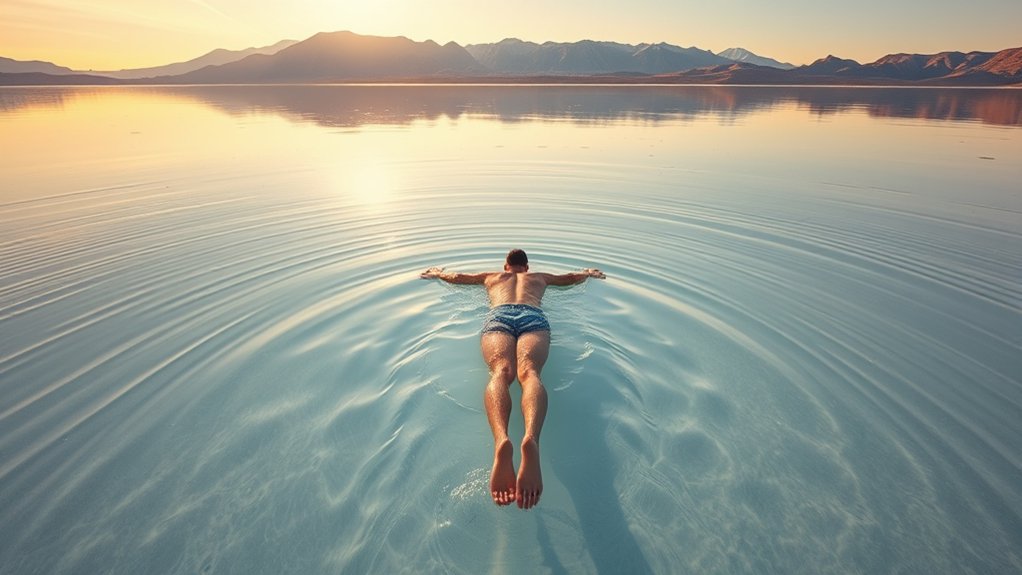
Swimming in the Great Salt Lake offers an experience unlike any other, thanks to its strikingly high salt content, about five times saltier than the ocean. This intense salinity creates incredibly buoyant, salty water, letting you float effortlessly without even trying.
Floating effortlessly in the Great Salt Lake feels like nature’s own buoyancy boost, five times saltier than the sea.
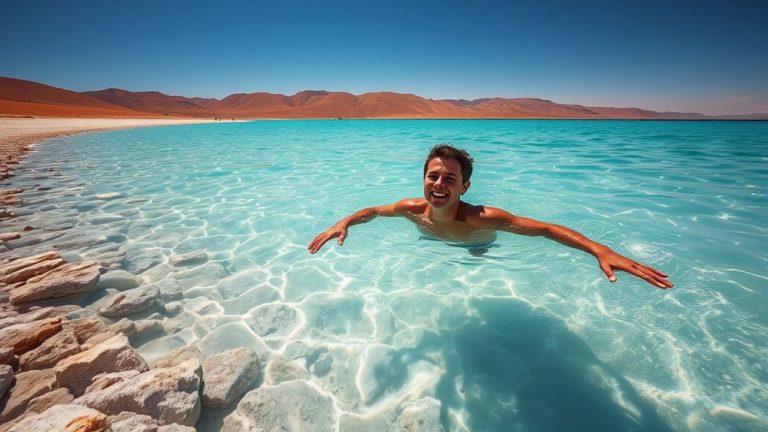
The lake’s unique ecosystem supports only brine shrimp and brine flies, making it one of the few “dead” lakes on Earth. As you swim, you’ll notice the water’s unusual texture and the shimmering crystallized salt pools nearby. It really adds to the surreal atmosphere.
The Great Salt Lake’s ethereal pink hues sometimes tint the water, enhancing this one-of-a-kind experience.
After your swim, you’ll likely feel a layer of salt residue on your skin. It’s a neat reminder of the lake’s distinct nature long after you leave.
Is It Safe to Swim in the Great Salt Lake?
How safe is it to take a dip in the Great Salt Lake? Swimming here is generally safe, thanks to the lake’s unique environment. The high salt concentration, about five times saltier than ocean water, naturally limits harmful bacteria like E. coli, reducing health risks.
Environmental scientists confirm that toxins in the water are less concentrated than in surrounding soil or food chains, so you can feel pretty confident about swimming here. While heavy metals like mercury exist, they’re diluted enough to pose minimal threat.
That said, the salt can sting cuts and sensitive skin, so it’s a good idea to rinse off promptly after swimming to avoid dryness and irritation.
How Does the Lake’s High Salt Content Affect Swimming?
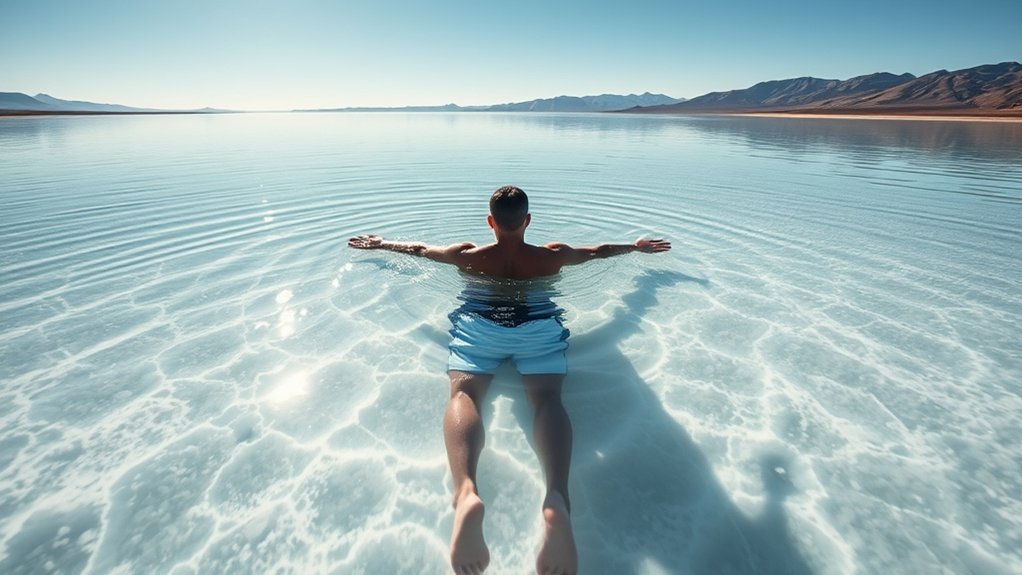
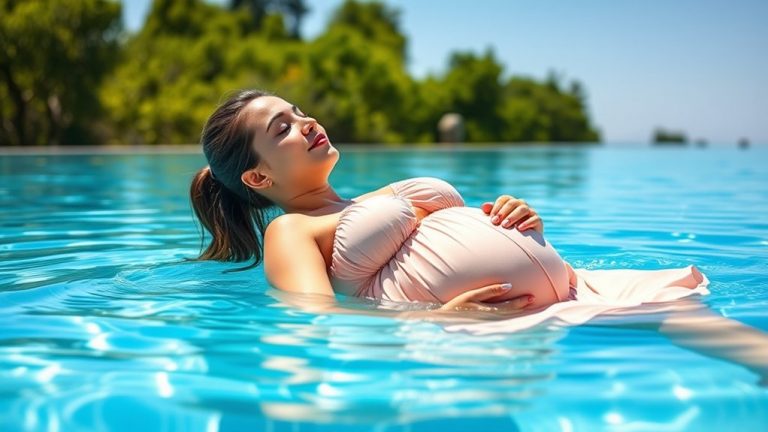
When you swim in the Great Salt Lake, you’ll quickly notice how the high salt content makes floating feel effortless—almost like you’re lying on a natural waterbed.
It’s a pretty unique sensation!
But, on the flip side, that same salt can sting if it gets into cuts or sensitive areas, so it’s a good idea to rinse off afterward.
Plus, while the buoyancy is great, be ready for the salty residue that can leave your skin and eyes feeling dry.
Just a little prep goes a long way!
Buoyancy And Floating
Because the Great Salt Lake’s salinity is about five times that of ocean water, you’ll find yourself floating with remarkable ease. The high salt water concentration increases buoyancy, making it effortless to bob on the surface. This unique sensation comes from the lake’s density being 23% greater than ocean water.
As you swim, you’ll notice how the salt water supports your body, reducing fatigue and allowing a relaxing experience. However, after your swim, it’s essential to rinse off thoroughly to remove the salty residue that can irritate your skin.
| Feature | Great Salt Lake | Ocean Water |
|---|---|---|
| Salinity | ~5 times ocean water | Baseline |
| Water Density | 23% higher | Baseline |
| Buoyancy Effect | Very high, easy floating | Moderate floating |
| Swimming Effort | Reduced due to buoyancy | Typical effort |
| Post-Swim Care | Rinse to remove salt | Rinse recommended |
Skin And Eye Effects
Although the buoyancy of the Great Salt Lake makes swimming feel effortless, its high salt content can sting cuts and sensitive skin. This often catches many swimmers by surprise. The lake’s salinity is about five times that of ocean water, so even minor scratches can feel sharp and uncomfortable.
You’ll want to keep saltwater out of your eyes and nose since the elevated salt levels often cause irritation and discomfort. After swimming, rinse off promptly to wash away salt residue. This residue can dry out your skin and lead to irritation.
Applying lotion afterward helps restore moisture and soothe any dryness. While the salt makes floating easier, it also means you need to take extra care of your skin. This way, you can avoid irritation and stay comfortable throughout your swim.
Where Are the Best Swimming Spots in the Great Salt Lake?
You’ll find some of the best swimming spots near Saltair, which is just a quick drive from Salt Lake City. The lake’s unique buoyancy really makes swimming here a fun experience.
Antelope Island State Park is another great spot. It offers clean beaches and family-friendly facilities, so it’s perfect for a day of floating and fun with the kids.
If you’re looking for something a bit quieter, the Spiral Jetty is a stunning, secluded place to check out. Just remember to check the water levels before you head over.
Popular Swimming Locations
Three standout spots offer some of the best swimming experiences in the Great Salt Lake, each with its own unique charm.
If you’re near Salt Lake City, Saltair Beach is an easy, popular choice with convenient access and shoreline amenities.
For a more natural setting, Antelope Island State Park invites you to swim in clean, shallow waters while spotting local wildlife.
If you’re up for an adventure, the Spiral Jetty delivers a unique swim amid stunning vistas. Just keep in mind it requires a longer drive on gravel roads.
- Saltair Beach’s accessible shoreline near Salt Lake City
- Antelope Island State Park’s family-friendly beaches and wildlife views
- Spiral Jetty’s remote, artistic landscape with pink-hued waters
Check water levels before you go, as they can change frequently.
Access And Facilities
Finding the best swimming spots around the Great Salt Lake depends largely on access and available facilities. You’ll find Saltair and Antelope Island offer the most convenient access and enjoyable swimming experiences. However, fluctuating water levels can sometimes push the shore far from access points, so plan accordingly.
Both Great Salt Lake State Park and Antelope Island provide facilities like picnic areas and hiking trails, which really enhance your visit. Just keep in mind that rinsing facilities are scarce. So, it’s a good idea to bring fresh water and towels to wash off the salt after swimming.
| Location | Facilities |
|---|---|
| Saltair | Easy access, picnic areas |
| Antelope Island | Clean beaches, hiking trails, boat ramps |
| Great Salt Lake State Park | Recreational facilities, picnic spots |
Why Do Many Locals Avoid Swimming Here?
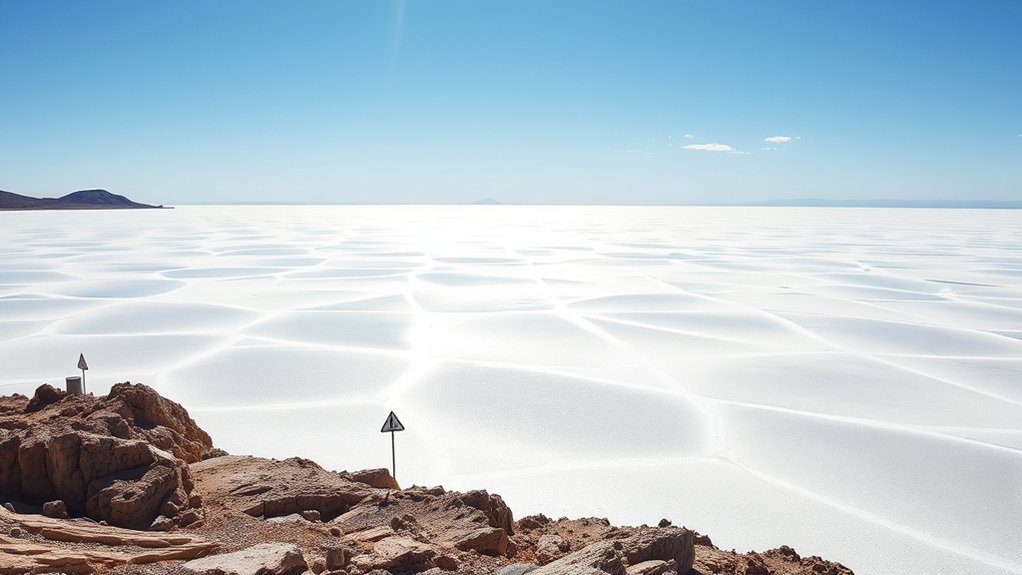
Why do so many locals steer clear of swimming in the Great Salt Lake? For starters, the lake’s extreme salinity, about five times saltier than the ocean, creates an unusual sensation that many locals find uncomfortable.
The strong, often unpleasant odor, especially in summer, comes from decaying brine shrimp and adds to the aversion. Locals often see swimming here as almost taboo, which just reinforces the widespread hesitance.
You might imagine sharp salt crystals cutting your feet along the shore, the sticky, salty water stinging your skin, and a pungent smell lingering in the air.
These factors combine to make swimming in the Great Salt Lake an experience many locals avoid. Instead, they choose to appreciate the lake from a distance.
What Should You Bring and Prepare Before Swimming?
Before you plunge into the Great Salt Lake’s unique waters, you’ll want to prepare carefully to protect yourself and your belongings. The lake’s high salinity means you should bring an old swimsuit and water shoes to guard against harsh salt crystals. Fresh water for rinsing off salt and lotion to soothe your skin afterward are must-haves.
Kids should understand the floating sensation and possible stinging cuts when swimming here. Remember, you’re not in fresh water but in a brine shrimp habitat, which adds to the experience’s uniqueness. Since there are no changing facilities, pack extra clothes and towels.
| Item | Purpose | Notes |
|---|---|---|
| Old Swimsuit | Protects from salt damage | Saltwater is harsh on fabric |
| Water Shoes | Foot protection | Sharp salt crystals on shore |
| Fresh Water | Rinse off salt | Prevents irritation |
| Lotion | Hydrate skin after swim | Helps against dryness |
| Extra Clothes | Change after swimming | No facilities nearby |
How Do You Deal With the Lake’s Smell and Salty Skin?
After gearing up with the right gear and understanding the lake’s unique environment, you’ll want to prepare for two common challenges: the strong smell near the shore and the salty residue left on your skin.
The smell comes from decaying algae and brine shrimp, so swimming further from the shore helps you avoid it.
Saltwater clings to your skin, leaving a gritty, sticky feeling that can cause irritation. To handle this, make sure to rinse off with fresh water immediately after swimming to wash away salt residue.
Bring extra towels and clothes to stay comfortable.
Use lotion post-swim to soothe and hydrate your skin. These steps make your swim in the Great Salt Lake much more enjoyable and comfortable.
What to Expect After Swimming and How to Care for Your Skin?
Because the Great Salt Lake’s salinity is about five times that of the ocean, you’ll notice a thick layer of salt crystals clinging to your skin once you step out of the water. This salty residue can leave your skin feeling dry and tight. Sometimes it even causes irritation, especially on cuts or sensitive spots.
To care for your skin, be sure to rinse thoroughly with fresh water as soon as possible. This helps wash away the salt and prevents stinging or discomfort.
After rinsing, apply a gentle moisturizer to rehydrate your skin and soothe any dryness.
Keep in mind that the salt can also damage your swimsuit fabric, so bring an older one you don’t mind. Proper aftercare really keeps your skin healthy and comfortable after your salty swim.
Frequently Asked Questions
Can You Swim Year-Round in the Great Salt Lake?
Yes, you can swim year-round in the Great Salt Lake, but you’ll need to mind swimming safety, especially in colder months when water temps drop.
The lake’s high salinity boosts water buoyancy, making it easier to float even in chilly conditions.
Stay aware of wildlife and environmental changes that might affect your swim.
In summer, warmer water makes swimming more enjoyable, but always check local conditions before you plunge in.
Are There Any Swimming Competitions Held in the Lake?
You won’t find many competitive events in the Great Salt Lake, like a 1920s Olympic swim meet, because the lake’s extreme saltiness makes it tough and uncomfortable.
While a few adventurous folks organize informal swims, local regulations and safety precautions usually discourage official races here.
If you’re itching for competition, you’ll want to look toward freshwater venues nearby.
The Great Salt Lake’s unique conditions just aren’t ideal for traditional swimming contests.
How Does the Water Temperature Vary With Seasons?
You’ll notice the water temperature in the Great Salt Lake varies a lot with seasonal changes. In winter, it can dip to freezing, while summer brings warmer water, often around 80°F. That makes swimming conditions more inviting.
Spring gradually warms the lake to the mid-60s°F, and fall cools it back down to the low 70s°F.
These shifts happen because evaporation intensifies in hotter months, especially since the lake’s shallow. That affects how comfy the water feels.
Is Swimming Allowed in All Parts of the Lake?
You can swim in most parts of the Great Salt Lake where there’s beach access, but you’ll want to follow safety guidelines closely.
The lake’s shallow areas extend far, so be cautious of sudden depth changes.
Also, keep wildlife considerations in mind; brine shrimp and birds share the habitat.
Always check local conditions before swimming to guarantee your safety and protect the fragile ecosystem surrounding you.
Are There Any Swimming Lessons or Guided Tours Available?
You won’t find swimming lessons specifically for the Great Salt Lake. Lesson availability is limited because of its unique conditions.
Instead, you can join guided excursions that focus on the lake’s environment and history. These tours help you learn more without having to swim.
If you’re worried about swimming safety, it’s a good idea to stick to nearby freshwater pools. They offer formal lessons, so you can learn confidently.
These alternatives make sure you enjoy learning while staying safe and informed.
Conclusion
So, you’re tempted to take a dip in the Great Salt Lake? Just remember, you’ll float like a cork, but the salty sting and that unforgettable smell might make you rethink your life choices. Locals often skip swimming here for good reasons, yet the experience is undeniably unique.
If you’re up for the challenge, come prepared and maybe pack an extra shower towel. Swimming here isn’t just a swim; it’s an adventure your skin won’t soon forget.