What Temperature Is Safe To Swim In – Ideal Water Conditions Guide
If you’re wondering about safe swimming temperatures, here’s the scoop: competitive pools should be between 77°F and 82°F, while recreational swimming feels comfortable between 78°F and 86°F.
Anything below 70°F can increase your heart rate and risk muscle spasms. Open water should exceed 60.8°F for safety. For children’s swim lessons, aim for 83°F to 86°F.
Dressing appropriately and knowing the risks associated with temperature extremes is key. You’ll find even more useful insights ahead.
What Are the Safe Temperature Ranges for Swimming?
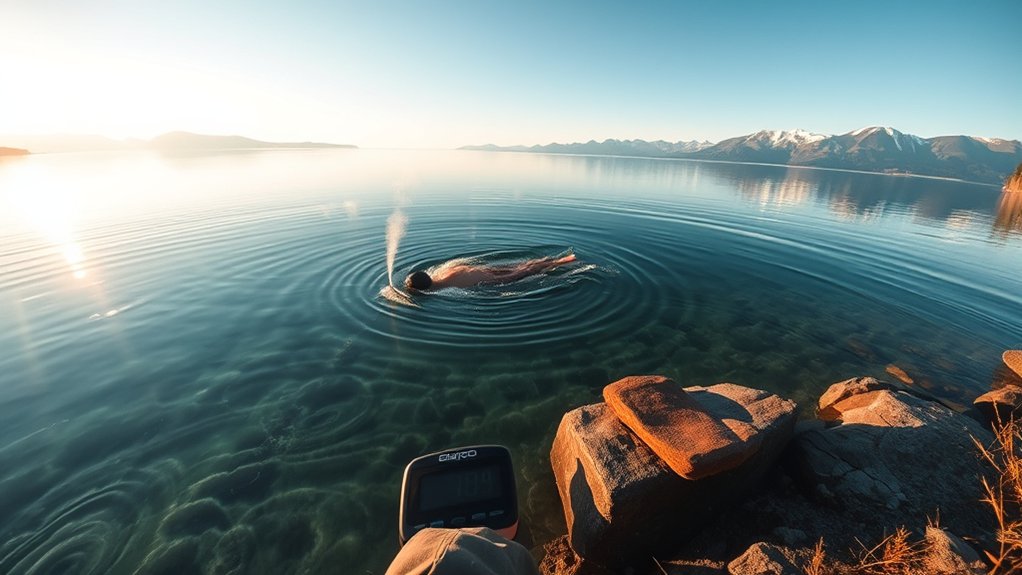
When considering safe temperature ranges for swimming, it’s essential to know the different contexts in which you’ll be swimming.
For competitive pools, perfect swimming temperatures range from 77 to 82°F (25 to 28°C), guaranteeing peak performance.
If you’re recreationally swimming, look for waters between 78 and 86°F (26 to 30°C) for a comfortable experience.
Be cautious with lower water temperatures; anything below 70°F (21°C) can lead to increased heart rate and muscle spasms.
Caution is advised in waters below 70°F (21°C), as they can trigger increased heart rate and muscle spasms.
In open water scenarios, temperatures should ideally exceed 60.8°F (16°C) to guarantee safety and comfort.
How Does Water Temperature Affect Your Body?
Water temperature greatly impacts your body’s response, affecting everything from heart rate to muscle function.
When you swim in water below 70°F, you might experience an increased heart rate and blood pressure. Temperatures below 64°F can heighten the risk of serious events like cardiac arrest.
Cold water can trigger a cold shock response, resulting in labored breathing and muscle spasms, especially if you’re not acclimated.
On the other hand, water above 82°F can lead to overheating. This impairs your performance in competitive swimming and increases dehydration risks.
Finding a comfortable pool temperature is essential for maintaining a stable body temperature and ensuring a safe and enjoyable swimming experience.
Ideal Pool Temperatures for Safe Swimming Activities
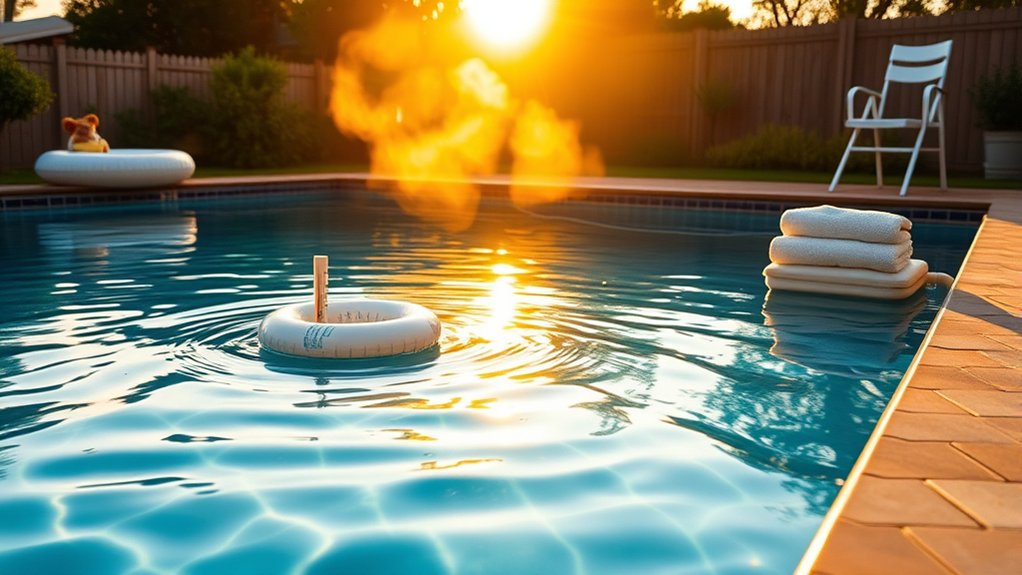
When you’re thinking about the ideal pool temperatures for safe swimming, it really helps to know the preferred ranges depending on the setting.
For example, competitive swimmers usually do best in water that’s between 77°F and 82°F.
On the other hand, if you’re swimming just for fun, you might like the water a bit warmer—somewhere around 78°F to 86°F.
Knowing these temperature guidelines is super useful because it helps you avoid risks like overheating.
Plus, it ensures everyone has a safe and enjoyable time, no matter what kind of swimming you’re into.
Optimal Temperature Ranges
Ideal temperature ranges for swimming pools are essential for ensuring safety and comfort during swimming activities. For competitive swimming, suitable water temperatures are between 77°F to 82°F (25°C to 28°C), promoting performance and preventing overheating.
Recreational swimming thrives in a slightly warmer range, best between 78°F to 86°F (26°C to 30°C). When it comes to children’s swim lessons, temperatures of 83°F to 86°F (28°C to 30°C) are recommended for enhancing their learning experience. Below is a summary of suitable temperature ranges:
| Activity | Temperature Range |
|---|---|
| Competitive Swimming | 77°F – 82°F (25°C – 28°C) |
| Recreational Swimming | 78°F – 86°F (26°C – 30°C) |
| Children’s Swim Lessons | 83°F – 86°F (28°C – 30°C) |
| Cold Water | Below 70°F (21°C) |
Risks of Overheating
While enjoying a swim can be invigorating, it’s important to be aware of the risks associated with overheating in warmer water conditions. When pool temperatures exceed 82°F, you may experience overheating, which can impair your athletic performance and lead to heat-related issues.
Recreational swimming is safest in pools maintained between 83°F and 86°F, but it’s crucial to stay hydrated and limit swim durations when water temperatures rise. Engaging in strenuous activities in warm water can increase your heart rate rapidly, posing risks, especially if you have a heart condition.
Remember, hydration is essential when temperatures pass 80°F, as dehydration becomes a real concern.
Always monitor water conditions to enjoy safe and comfortable swimming experiences.
Recommendations for Different Activities
Understanding the right water temperature for various swimming activities can greatly enhance your experience and safety in the pool.
Here are some ideal temperatures for swimming based on your activity:
- Competitive Swimming: Aim for 77°F to 82°F (25°C to 28°C) to guarantee comfort and peak performance.
- Recreational Pools: For fun and relaxation, stick to 78°F to 86°F (26°C to 30°C) to enjoy your time safely.
- Learning-to-Swim Programs: Maintain a warm environment with temperatures between 83°F to 86°F (28°C to 30°C) to help children feel comfortable.
If you’re looking into aquatic therapy, consider slightly warmer water, ideally 86°F to 94°F (30°C to 34°C) for relaxation and muscle relief.
What Temperature Risks Should Swimmers Watch Out For?
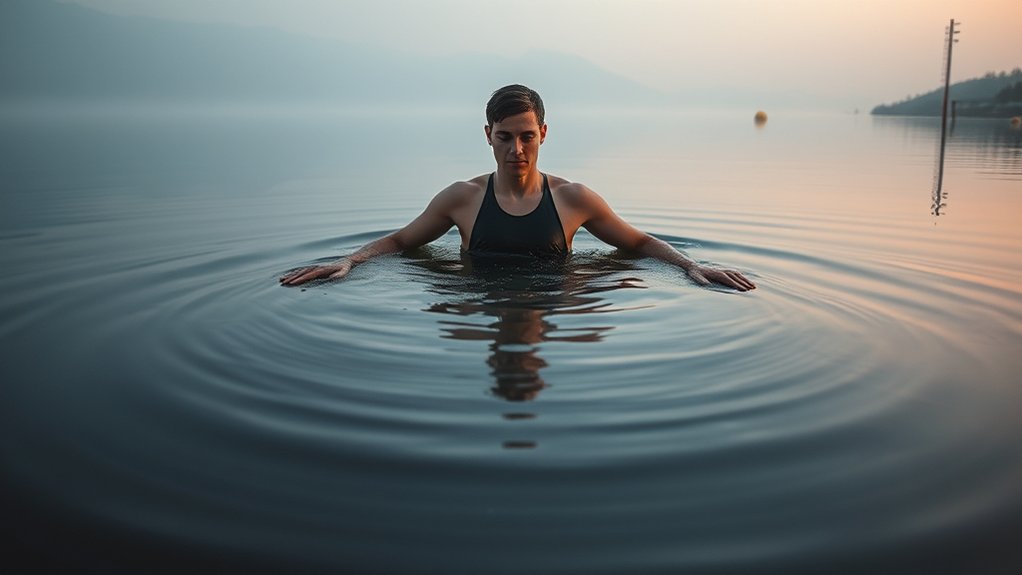
When you’re swimming, it’s really important to keep an eye on how the water temperature might affect you.
For instance, cold water can cause something called cold shock, which makes your heart race and can lead to painful muscle cramps. On the other hand, if the water is too warm, you might overheat, which can leave you dehydrated and even cause you to faint.
Knowing these risks helps you make smarter choices while swimming, so you can stay safe and enjoy your time in the water.
Just a little awareness goes a long way!
Cold Shock Response
As temperatures drop, the risk of cold shock response escalates, particularly in water below 70°F (21°C).
In this temperature range, swimmers need to be aware of the following risks:
- Loss of Breathing Control: Cold water can cause immediate panic, making it hard to breathe normally, especially between 50-60°F (10-15°C).
- Increased Heart Rate: Temperatures below 70°F put strain on your cardiovascular system, raising blood pressure and heart rate.
- Severe Cold Shock: Water below 50°F (10°C) causes intense pain and can trigger hypothermia, which is dangerous even for trained swimmers.
Understanding how your body reacts is vital because individual tolerance can vary a lot in cold water.
Always prioritize safety when swimming in low temperatures.
Overheating Risks
While swimming might feel invigorating in warmer waters, you should be cautious, as temperatures above 82°F (28°C) can lead to overheating.
When engaging in vigorous exercise, it’s vital to monitor your heart rate, as it can rise dangerously high under these conditions.
Staying hydrated becomes essential to prevent dehydration-related health risks. Remember that pool temperatures exceeding 80°F (27°C) intensify the importance of maintaining proper hydration.
If you’re considering a swim in warmer waters, be mindful of your body’s signals and take breaks as needed.
Always prioritize your safety. Overheating can impair performance and cause discomfort, particularly for those with pre-existing heart conditions.
A little caution goes a long way in enjoying a safe swimming experience.
Health Hazards
Overheating isn’t the only health concern swimmers need to be aware of; water temperature plays a vital role in overall safety.
It’s essential to stay informed about potential health risks associated with different temperatures:
- Cold Water (below 70°F/21°C) can cause muscle spasms and increased heart rates, risking even healthy swimmers.
- Extreme Cold (below 64°F/18°C) markedly heightens the risk of cardiac arrest, so monitor conditions closely.
- Hot Water (above 104°F/40°C) risks rapid blood pressure drops and dizziness, especially hazardous for those with pre-existing conditions.
Always remember, moderate physical activity can seem manageable, but the wrong temperature can lead to complications, including dehydration and even loss of consciousness.
Prioritize safety to enjoy your swim!
How to Dress for Comfort in Different Water Temperatures
When you venture into the water, choosing the right attire is essential for your comfort and safety, especially given the varying temperatures.
For water temperatures above 77°F (25°C), a standard swimsuit is sufficient, and a rash guard offers sun protection.
In the 70°F to 77°F range (21°C to 25°C), consider wearing a thin wetsuit (1-2mm) or a thermal rash guard to help retain body heat.
For cold water swimming (60°F to 70°F or 16°C to 21°C), opt for a thicker wetsuit (3-4mm) along with neoprene caps and ear plugs.
When faced with temperatures between 50°F and 60°F (10°C to 16°C), wear a full wetsuit (4-5mm) with neoprene gloves and booties for a comfortable and safe experience.
How to Successfully Acclimate to Cold Water Swimming
Acclimating to cold water swimming requires a thoughtful approach to help your body adapt to the lower temperatures. Here are some key steps to successfully adjust:
- Start Slowly: Gradually acclimate by beginning with shorter swims of 5–10 minutes, then extend your time as you feel comfortable.
- Enter Carefully: When you face cold water, take about 30 seconds to enter slowly and allow your body to adapt before fully submerging.
- Prioritize Safety: Always swim with a partner for safety and support in case of cold shock, and wear appropriate gear like a wetsuit to maintain body heat.
Finally, remember to warm up properly afterward by changing into dry clothing and sipping a warm beverage to combat the cold.
Health Benefits of Swimming in Cooler Water
Embracing cooler water for your swimming sessions can offer a plethora of health benefits that positively impact both your body and mind.
Swimming in cooler temperatures (60°F to 70°F) enhances your cardiovascular health by improving circulation and promoting better blood flow as your body works to maintain its core temperature.
Regular exposure can also sharpen your endurance, as your body learns to adapt to stress, boosting your performance in all physical activities.
Additionally, cold water swimming stimulates the release of endorphins and norepinephrine, lifting your mood and alleviating anxiety and depression.
Plus, it’s linked to enhanced immune function, decreasing your chances of common colds.
Gradually acclimating improves your tolerance to discomfort, ultimately fostering mental resilience and overall well-being.
What Other Safety Tips Should Swimmers Consider?
Swimming offers numerous health benefits, but safety should always remain a priority. Before diving in, consider these safety tips:
- Monitor your body: Keep an eye on how you feel in the water. If you experience dizziness, fatigue, or cramps, it’s vital to exit immediately.
- Stay hydrated: Drink plenty of water, especially in warmer water temperatures above 80°F, to ward off heat-related issues during your swimming activities.
- Know the conditions: Familiarize yourself with local hazards like currents and water quality, and be aware of the water temperature.
Temperatures below 70°F may require a wetsuit for comfort and safety.
Following these tips will help guarantee you have a safe and enjoyable swimming experience.
Frequently Asked Questions
Can Swimming in Warmer Water Be Harmful?
Yes, swimming in warmer water can be harmful. Higher temperatures can elevate your heart rate and increase health risks, especially if you have pre-existing conditions.
To guarantee swimming safety, you should consider acclimatization strategies like gradually increasing your exposure to warmer water.
Staying hydrated and monitoring water quality are also essential in mitigating the temperature effects on your body.
Shorter swimming durations help reduce the risk of complications such as dizziness and overheating.
How Does Humidity Affect Perceived Water Temperature?
Humidity acts like a thick blanket, wrapping around you as you swim. Higher humidity levels can make warm water feel sweltering, impacting your comfort levels and increasing heat-related risks.
When humidity’s over 60%, your body struggles to cool itself through sweat evaporation. This changes how you perceive water temperatures.
Conversely, lower humidity enhances evaporation rates, making cooler water feel more invigorating against your skin. This promotes better swimming experiences.
Be mindful of these humidity effects!
What Is the Best Temperature for Open Water Swimming?
The best temperature for open water swimming is ideally between 60.8°F and 78°F (16°C to 26°C). This range provides open water benefits like improved endurance while keeping you safe.
To guarantee ideal swimming conditions, follow safety guidelines and consider temperature acclimatization before long swims.
During seasonal swimming, adjust your gear accordingly; a wetsuit can help in cooler waters.
Always prioritize your comfort to enjoy the experience fully while staying safe.
Can Infants Swim in Warm Water Safely?
Yes, infants can swim safely in warm water if you follow specific safety guidelines. Aim for temperatures between 84°F and 94°F.
Keep swim lessons short, around 10 to 15 minutes, to prevent fatigue.
The air temperature should also be comfortable, ideally 82°F to 84°F, to keep your infant from getting chilled.
Always supervise your baby closely, ensuring a responsible adult is present for immediate assistance during infant swimming activities.
How Often Should I Check Pool Water Temperature?
How often should you check your pool water temperature? Ideally, you should check it at least once a day, especially during peak usage times.
Using a reliable pool thermometer, monitor temperature fluctuations to stay within ideal guidelines of 77 to 82°F.
Increase your testing frequency during seasonal temperature changes or extreme weather.
Conclusion
To wrap it up, knowing the safe temperature ranges for swimming is essential for enjoying your time in the water without risk. Whether you’re lounging in a warm pool or braving the chill of colder waters, being prepared enhances your experience.
Pay attention to how water temperature affects your body and take necessary precautions. With these tips, you’ll feel like a fish in water, maximizing both safety and enjoyment in your swimming adventures.
Enjoy the splash!