Can You Swim In Green Pool Water – Safety And Solutions
You shouldn’t swim in green pool water because it can contain harmful bacteria and contaminants. These can cause serious health issues like skin infections and stomach illnesses.
Green water usually means algae are growing. This happens when chlorine is low and pH levels are high, making the pool unsafe to swim in.
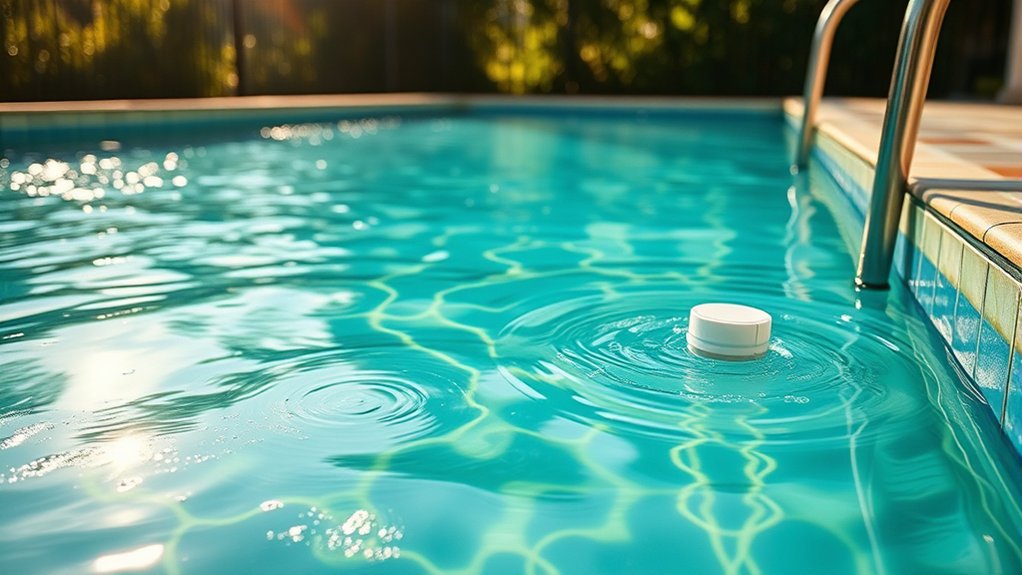
Before you jump in, always check that chlorine levels are between 1 to 5 ppm. Also, make sure the water is clear enough to see through.
With proper cleaning and maintenance, you can get your pool back to good quality pretty quickly. Keep reading to learn how to prevent and fix this problem effectively.
Understanding Why Your Pool Water Is Green
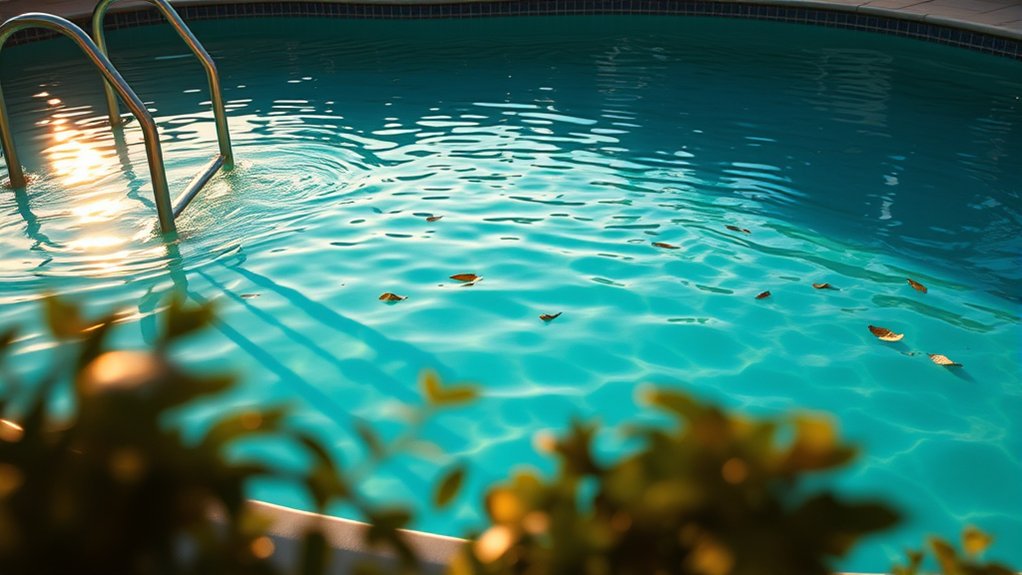
When you notice your pool water turning green, it often means there’s an algae bloom caused by several environmental and chemical factors.
Algae, especially pool algae, thrives when chlorine levels are low and pH levels are high. Not having enough sanitizer creates a perfect breeding ground for harmful bacteria and algae, which increases health risks.
On top of that, things like high heat, heavy rainfall, and poor water circulation make this growth worse, so green water becomes a common problem.
Metals like copper from algaecides can also react with pool chemicals and add to the unwanted green color.
That’s why regularly testing your water chemistry is essential to keep chlorine levels where they should be and stop this algae issue from coming back.
Essential Tips for Maintaining Clear Pool Water
To maintain clear pool water, it’s vital to implement a routine that prioritizes balanced chemical levels and regular maintenance.
Start by regularly testing and balancing your chlorine levels, aiming for 1 to 5 ppm to effectively prevent algae growth.
Regularly test and balance chlorine levels between 1 to 5 ppm to effectively prevent algae growth in your pool.
Keep your pH levels between 7.2 and 7.8, as too high a pH will hinder chlorine’s effectiveness against bacteria.
Routinely run the pool pump, especially during algae treatment, to guarantee proper circulation and filtration of the chemicals.
Consistently clean the pool filter and promptly remove debris to minimize buildup contributing to algae.
Consider investing in a smart monitoring device like the EcO Start to simplify your checks on chemical levels and pool conditions, making sure your water stays clean and clear.
Safely Cleaning a Green Pool
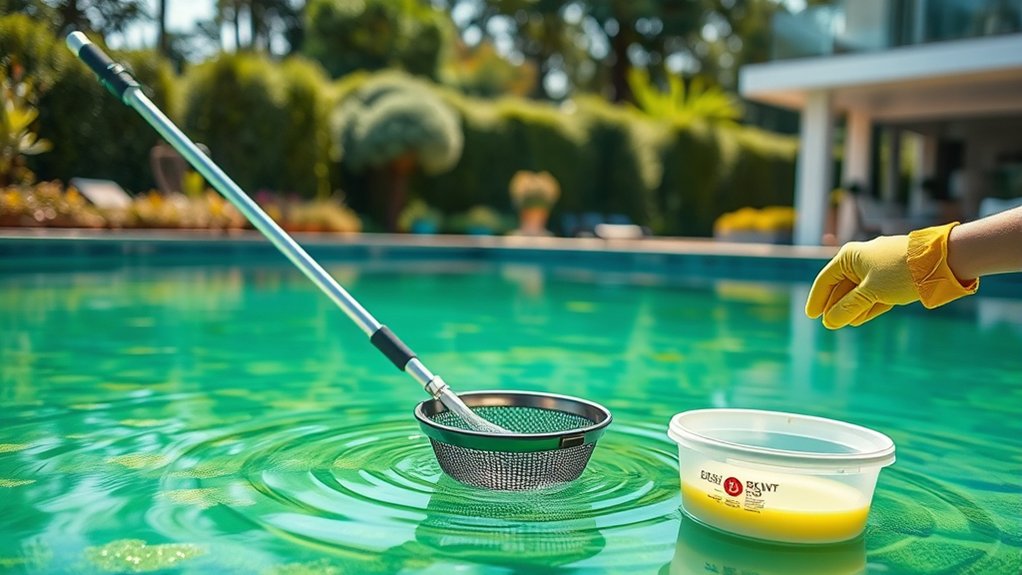
Though tackling a green pool can seem intimidating, a systematic approach makes the cleaning process manageable and effective.
Start by testing your pool water for chlorine, pH, and stabilizer levels, as imbalanced chemistry can hinder your efforts.
Next, clean the pool filter to optimize circulation and filtration, essential for removing contaminants.
Brush the walls and floor to dislodge algae, enabling the filtration system to capture the loosened particles.
Then, shock your pool with a high dose of chlorine, guaranteeing levels reach between 5-10 ppm to eliminate algae and bacteria.
Finally, run your pool pump continuously for at least 24 hours to guarantee thorough circulation.
After these steps, your pool will be closer to conditions that may be safe to swim.
Determining When It’s Safe to Swim Again?
To figure out when it’s safe to swim again, you want to make sure the chlorine levels have settled between 1 and 5 ppm.
Also, the water should be clear enough that you can see the bottom—that’s a good sign the water clarity has improved.
Be sure to follow the manufacturer’s instructions after shocking the pool.
And don’t forget to wait the recommended amount of time before testing the water again.
That way, you’ll know for sure when it’s safe to jump back in.
Chlorine Levels Must Normalize
When monitoring chlorine levels in your pool, it’s essential to confirm they fall between 1 to 5 ppm for safe swimming. High chlorine levels can be harmful, while low levels allow green algae to thrive.
Follow these key steps to guarantee safety:
- Use a pool test kit to check chlorine levels and chloramines, aiming for near-zero chloramine concentrations.
- Operate the pool pump continuously after shocking the pool to maintain circulation.
- Observe the water clarity; reduction in green tint indicates improvement.
- Wait at least 24 hours or as per product instructions after adding shock, allowing proper chemical normalization.
Only enter when conditions are right to confirm your well-being and enjoyment.
Visual Clarity Is Crucial
How can you confidently determine if your pool water is safe for swimming again? Visual clarity is essential in this assessment. If your pool water appears clear and blue, you’re likely in the clear for safe swimming.
In contrast, cloudy or green water can indicate harmful bacteria lurking in the depths. You should be able to see the bottom of the pool distinctly before considering a dip.
Moreover, it’s important to maintain chlorine levels between 1 to 5 ppm, ensuring the water remains clean and healthy.
Avoid jumping in until clarity improves and follow product instructions after shocking the pool. This method helps guarantee that your water isn’t just visually appealing but safe for enjoying.
Follow Manufacturer Instructions Carefully
Ensuring your pool water is safe for swimming goes beyond just visual clarity. It requires strict adherence to the manufacturer’s instructions for chemical treatments.
To determine when it’s safe to swim again, consider these essential steps:
- Follow manufacturer instructions for shock and algaecide application.
- Wait for chlorine levels to drop to between 1 to 5 ppm, the safe range for swimming.
- Monitor the pool for a significant reduction in green tint; visibility to the bottom is key.
- Check that chloramine levels are close to zero, as elevated levels indicate insufficient sanitation and can pose health risks.
Understanding the Risks of Swimming in Green Pool Water
Swimming in green pool water isn’t just uninviting—it can actually be pretty risky for your health. You see, harmful bacteria like E. coli love to hang out in algae-filled water, which is exactly what you get with a green pool.
On top of that, the water’s murkiness makes it tough to see beneath the surface. That reduced visibility can increase the chances of accidents, including drowning, which is definitely something you want to avoid.
And it’s not just about safety while swimming. Staying in contaminated water for too long might lead to skin infections or upset your stomach.
Health Risks Explained
While many might underestimate the dangers posed by swimming in green pool water, numerous health risks can arise from such an environment.
Here are four key risks to evaluate:
- Skin Infections: The presence of bacteria like E. Coli and Shigella can lead to serious skin infections.
- Ear Infections: Contaminated water may enter the body through cuts or mucous membranes, increasing the risk of ear infections.
- Pathogen Exposure: Algae-infested water harbors pathogens that can cause gastrointestinal illnesses.
- Slips and Falls: Reduced visibility and slippery surfaces heighten the chance of accidents, particularly among children.
Prolonged exposure to polluted water amplifies these health risks, making it essential to avoid swimming in a green pool until it’s properly treated and clear.
Drowning Hazards Identified
In green pool water, visibility takes a significant hit, posing serious drowning hazards that can be easily overlooked. You might find it tough to see the bottom, especially for children or inexperienced swimmers who are at a higher risk.
Algae can also create dangerously slippery surfaces around the pool, increasing the chances of slips and falls, which makes the drowning hazards even worse.
Additionally, poor water quality linked to algae growth may contain harmful bacteria. This not only complicates rescue efforts but could lead to panic when visibility is poor.
Ultimately, it’s essential to avoid swimming in green pools until they’re treated and cleared to reduce these risks tied to both visibility and water quality.
Pathogen Concerns Addressed
Even if the water looks inviting, swimming in green pool water can expose you to a host of harmful pathogens. Algae itself isn’t harmful, but it can harbor dangerous bacteria like E. coli and Shigella.
This presents several pathogen concerns:
- Increased risk of gastrointestinal issues from ingesting contaminated water.
- Skin infections can occur if open cuts come into contact with polluted water.
- Weakened immune systems make some people especially vulnerable to illness.
- Visibility issues make rescue efforts harder, which raises drowning risks.
Always prioritize a healthy pool environment. Health authorities strongly recommend avoiding green pools until proper treatment restores clear, balanced water.
Swimming in such conditions not only jeopardizes your health but also poses greater safety hazards.
Debunking Common Misconceptions About Algae and Health
What’s the real danger of swimming in algae-filled pool water? While algae itself isn’t inherently harmful, it can signal problems in your swimming pool.
Low chlorine levels can allow bacteria like E. coli to thrive alongside the algae, heightening your risk of infections. Those with cuts or weakened immune systems face greater danger, as the bacteria may lead to skin irritations or illnesses.
Furthermore, the slippery surfaces created by algae can increase the chance of accidents or falls, making your swim less safe.
Regular testing of water chemistry and adequate sanitation are essential to keeping chlorine levels balanced, preventing algae growth, and minimizing health risks.
How to Keep Algae Away for Good
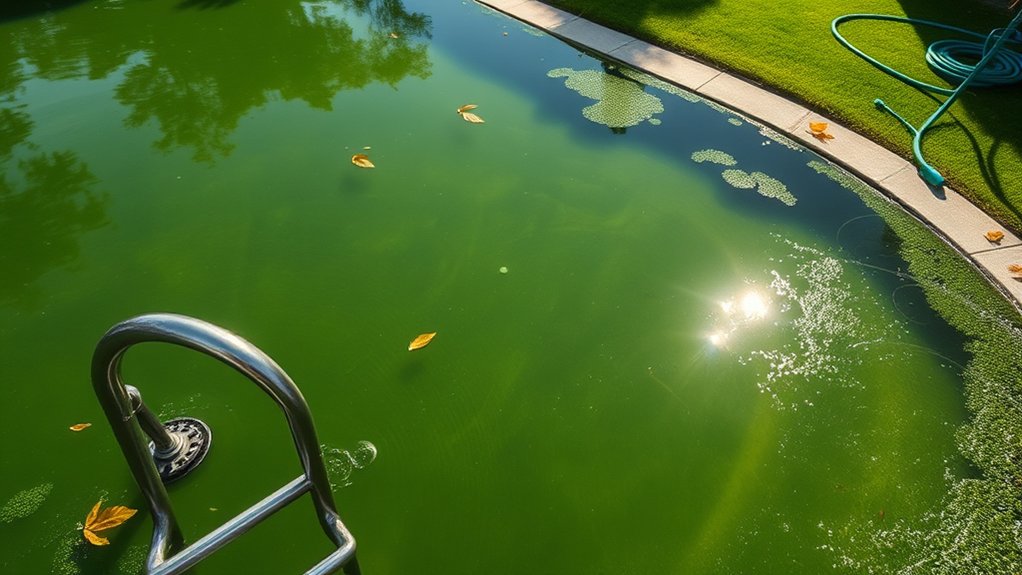
Algae growth in your pool isn’t just an unsightly issue; it indicates a lack of proper water care. To keep algae away for good, focus on these critical steps:
- Regularly test and maintain balanced water chemistry, ensuring chlorine levels stay between 1 to 5 ppm and pH remains around 7.2.
- Run the pool pump continuously during hot weather and after heavy rain to prevent stagnant conditions that encourage algae growth.
- Use algaecides as a preventive measure during warmer months, following manufacturer instructions carefully.
- Clean and backwash the pool filter consistently to eliminate debris that fosters algae proliferation.
Implementing these measures will greatly reduce the chances of algae blooming in your pool water and help maintain a clean, inviting swimming environment.
Seeking Professional Help for Persistent Issues
When persistent green water issues plague your pool, seeking professional help can be a game changer in restoring water clarity and balance. Pool owners often struggle with cloudy water due to underlying problems that only experts can identify. They can conduct thorough water tests to pinpoint imbalances in chlorine, pH, and stabilizer levels, which may encourage algae growth.
Take a look at how professionals can assist:
| Service Provided | Benefits | Recommended Frequency |
|---|---|---|
| Detailed Water Tests | Identify chemical imbalances | Monthly |
| Specialized Treatments | Address stubborn algae effectively | As needed |
| Source Elimination | Remove contamination sources | Annual |
| Maintenance Consultations | Establish better upkeep practices | Quarterly |
Engaging an expert not only resolves current issues but also helps prevent future ones.
Frequently Asked Questions
Can Green Pool Water Damage My Swimming Pool Equipment?
Yes, green pool water can damage your swimming pool equipment. Algae clog filters and strain pumps, so you need to follow effective pool maintenance tips.
This strain can lead to premature wear and increase repair costs. To protect your equipment, use algae prevention strategies like regular water testing and keeping the chemical balance right.
Addressing green water issues quickly not only keeps your pool clean but also helps your equipment last longer. You’ll save time and money in the long run.
What Types of Algae Cause the Water to Turn Green?
The primary algae types causing green pool water are green algae and, to a lesser extent, yellow or mustard algae.
These thrive under growth conditions such as warm temperatures and nutrient-rich, stagnant water, especially with low chlorine levels.
To prevent these algae from blooming, maintain proper sanitizer levels and regularly test your water’s pH.
Adjust your chemical balance to keep the pool clear and minimize the risk of algae development.
How Long Does It Take to Clear Green Pool Water?
Clearing green pool water typically takes a few days to a week.
You’ll see improvements by maintaining balanced pool chemistry, running your filtration system continuously, and brushing the pool surfaces.
Shocking the pool effectively kicks off the process, and it’s essential to allow chlorine levels to stabilize.
Furthermore, frequent vacuuming aids in removing algae, so focus on algae prevention throughout this time to expedite the return to crystal-clear water.
Do Different Pool Types Affect How Quickly Algae Grows?
Yes, different pool types do affect how quickly algae grows.
Above-ground pools often face rapid temperature changes and can struggle with water chemistry, leading to quicker algae growth.
In-ground pools, while having better filtration systems, may require diligent pool maintenance to maintain balanced water chemistry.
Porous surfaces like plaster can harbor algae more effectively than smoother surfaces, influencing growth rates.
Proper maintenance and monitoring are essential, regardless of the pool type you have.
Can I Use a Homemade Remedy for Green Pool Water?
Homemade solutions might seem tempting, but they often fall flat.
While natural ingredients like vinegar and baking soda can tweak pH levels, they aren’t effective methods for battling algae. You might end up with imbalanced chemistry and worsening water quality instead.
For a truly effective approach, rely on professional treatments that specifically target algae growth.
Keep your pool sparkling by combining proper chemical treatments with consistent maintenance. Your swim experience will thank you!
Conclusion
In the journey of pool ownership, maintaining crystal-clear waters is like nurturing a garden. Just as weeds can choke vibrant blooms, algae can turn your pool into a green swamp.
By understanding its causes and using essential maintenance tips, you can create a safe swimming oasis. Remember, swimming in green water is like wandering in a fog. It’s better to wait for clarity.
Commit to consistent care, and your efforts will reward you with a sparkling retreat for all to enjoy.