How To Teach A 7 Year Old To Swim – Easy Learning Tips
Teaching your 7-year-old to swim starts with creating a safe, fun environment. Focus on positive reinforcement. Praise their progress and celebrate achievements.
Begin with breathing techniques, using games like bubble blowing to make it enjoyable. Gradually introduce floating and kicking exercises.
Incorporate basic strokes, ensuring each lesson is playful. Regular practice is key, so aim for 2-3 sessions weekly.
With these tips, your child will build confidence and skills quickly. There’s a lot more to discover!
Why Swimming Skills Matter for Kids
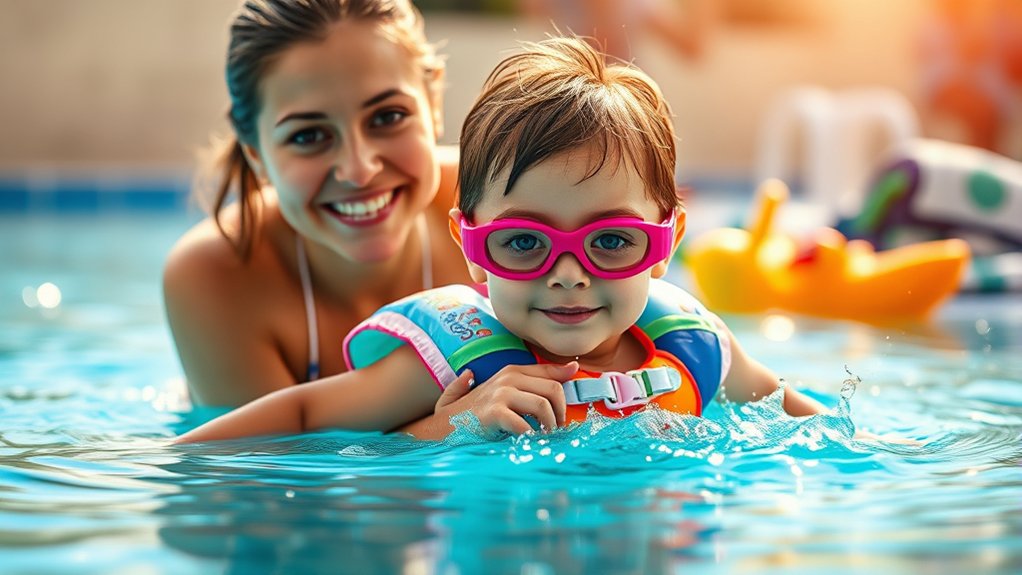
Understanding why swimming skills matter for kids is essential, especially since drowning is a leading cause of accidental death among children. By enrolling your child in swimming lessons, you can greatly reduce their risk of drowning. Studies show that participation in formal swimming lessons can lower this risk by up to 88%.
Teaching your child to swim early not only fosters water safety but also builds confidence and comfort with water activities.
These swimming skills enhance their physical fitness, coordination, and social interaction, contributing to their overall development.
Create a Safe and Fun Learning Environment
To create a safe and fun learning environment, start by making sure the area is free of hazards and easy to supervise. This way, you can keep an eye on everything without any worries.
Try using positive reinforcement along with playful learning activities. These will keep your child engaged and excited to explore the water.
By fostering a supportive atmosphere, you’ll help build their confidence and make swimming something they truly enjoy.
It’s all about making the experience joyful and stress-free!
Positive Reinforcement Strategies
Creating a safe and fun learning environment is essential for helping your 7-year-old thrive in swim lessons. Use praise and encouragement to celebrate even small achievements, as this greatly boosts their confidence and enjoyment while learning how to swim.
Implement a reward system that highlights specific milestones; studies show that positive reinforcement enhances motivation and retention. Regularly communicate progress to both your child and their parents, reinforcing their sense of accomplishment and encouraging continued practice.
Foster a supportive atmosphere by being patient and understanding of any fears they might have. This builds trust and helps them feel safe.
Playful Learning Activities
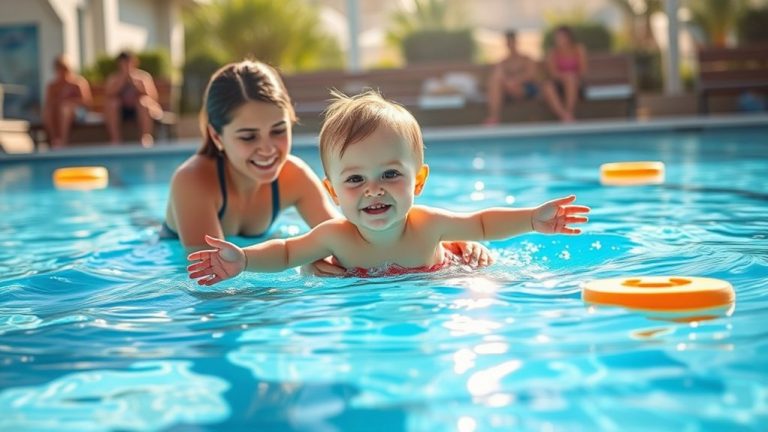
While teaching your 7-year-old to swim, incorporating playful learning activities can transform lessons into enjoyable adventures. Use games like bubble-blowing contests to help your child feel comfortable in the water, reducing anxiety and building confidence.
Introduce toys for retrieval exercises in shallow water; celebrating each successful catch reinforces swimming skills and boosts their self-esteem.
Incorporate floating on pool noodles or playing tag, creating positive associations with swimming. Fun challenges like swimming to colorful targets or using diving sticks keep enthusiasm high.
Maintain a light-hearted atmosphere to guarantee a relaxed experience.
How to Teach Effective Breathing Techniques?
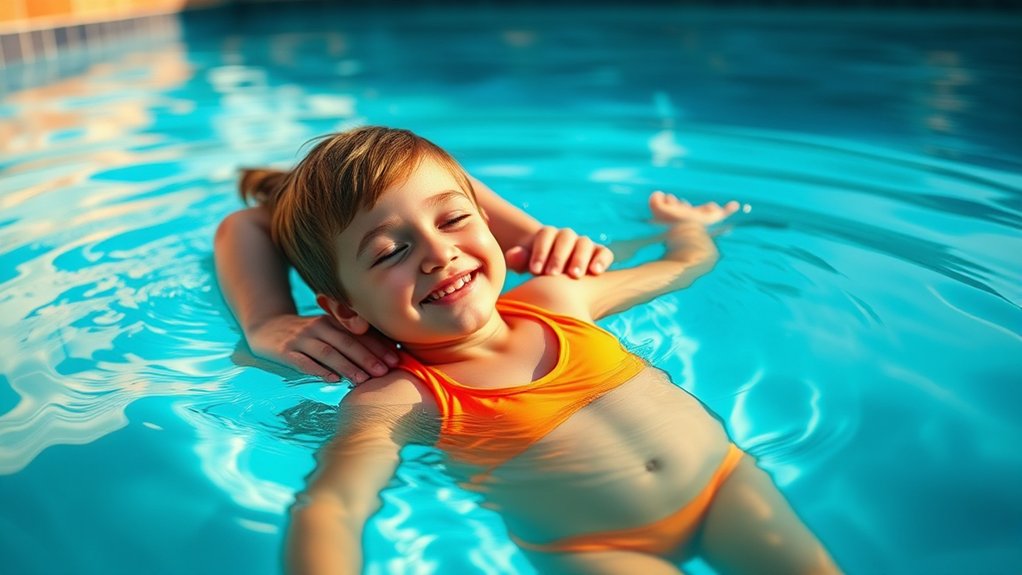
To master effective breathing techniques, start by positioning your child’s face correctly in the water. Make sure they feel comfortable with having their face wet.
Then, encourage them to count their breaths and find a rhythm that matches their movements. For example, they can inhale when their head comes up and exhale when they go under.
You can make it fun by turning these skills into games. This way, they stay engaged and you can celebrate their progress as they learn!
Proper Face Positioning
Teaching a 7-year-old proper face positioning for effective breathing techniques can greatly boost their confidence in the water. Start by encouraging them to keep their face in the water while gently exhaling through their mouth and nose. This helps manage fear and builds comfort with submersion.
Make the process fun with bubble-blowing challenges to promote enjoyable breathing practice. Reinforce the timing of breaths. Let them inhale when their head emerges from the water to prevent fatigue.
Gradually introduce submersion by having them dip their chin in first before fully submerging their face. Celebrate every small milestone they achieve to create a positive association with water and enhance their confidence.
Counting and Rhythm
After mastering proper face positioning, you can help your child develop effective breathing techniques by introducing counting and rhythm.
Start by teaching them to exhale gently through their mouth and nose while their face is submerged. Encourage counting, like counting to three while holding their breath before exhaling. This creates a rhythm that helps manage their breathing during strokes.
Add playful challenges, like counting bubbles while underwater, to make practice enjoyable. Also, guide them to time their breaths with their strokes, inhaling as they turn their heads.
Repetition is key; consistent practice of these breathing skills builds their confidence and proficiency in the water.
Stay positive and supportive, and watch their skills develop!
Build Floating Confidence in Your Child
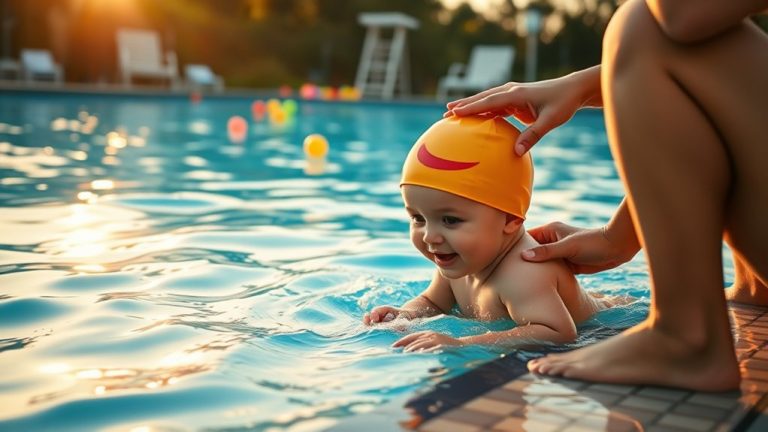
Building confidence in floating is essential for your child’s swimming journey. Start by introducing back floating in a safe environment, supporting their head and neck to build trust in buoyancy.
Encourage them to relax and practice floating on their back for longer periods, reinforcing their feeling of security. Use playful techniques, like pretending to be a starfish, to make the experience enjoyable and less intimidating.
Celebrate small successes in floating to boost their confidence, encouraging regular practice. Always remind them about the importance of floating for safety, especially if they unexpectedly fall into water.
With patience and consistency, your child will gain confidence in floating, setting a solid foundation for their swimming skills.
Get Started With Fun Kicking Exercises
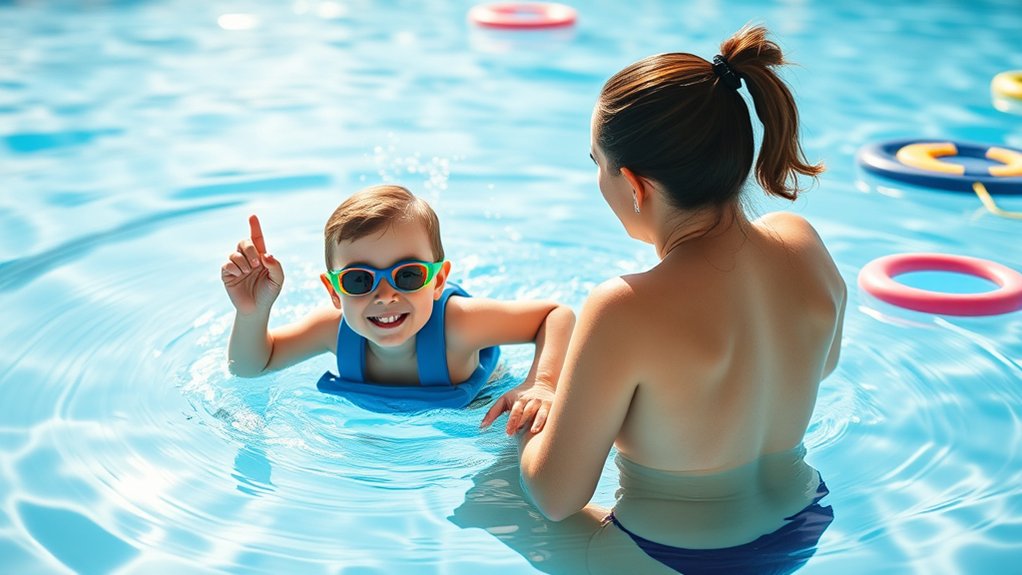
With your child feeling more comfortable floating, it’s time to introduce kicking exercises that will help them develop essential swimming skills.
Start by using floats or the pool edge for support, ensuring they maintain balance while keeping their upper body above the water.
Encourage them to kick with straight legs to prevent sinking and to promote effective propulsion.
To make practice engaging, incorporate games like racing to a target or kicking through hoops.
Consistent practice of just 10-15 minutes several times a week will improve their coordination and confidence in the water.
Use visual cues and demonstrations to show them how to kick effectively, reinforcing that proper kicking helps them stay afloat and navigate smoothly through the water.
Introduce Basic Swimming Strokes Gradually
As you introduce your child to basic swimming strokes, it’s essential to guarantee they feel comfortable and confident in the water.
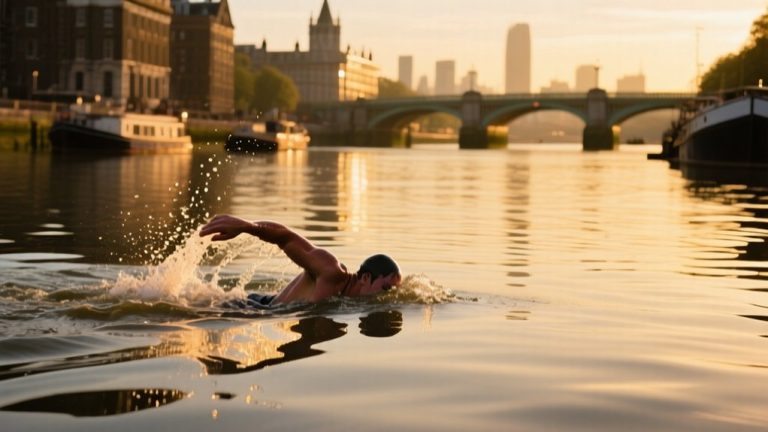
Start with the front crawl, which is versatile; focus on continuous leg kicks and alternating arm movements for a smooth glide.
Begin with the front crawl, emphasizing continuous leg kicks and rolling arm movements for a smooth and effortless glide through the water.
Once they’re familiar, gradually introduce the sidestroke, emphasizing relaxed arm movements and coordinated breathing to build their confidence.
Teach the backstroke by having your child float on their back, encouraging leg kicks and alternating arm movements to improve buoyancy.
Later, incorporate the breaststroke, which combines arm pulls and frog-like kicks for easier breathing management.
Reinforce these basic skills through fun challenges, ensuring your child stays engaged and motivated while learning how to swim effectively and safely.
Make Swimming Lessons Fun With Games
Making swimming lessons fun with games can transform the learning experience for your child. Incorporate colorful diving sticks or toys to create engaging retrieval games, making it interactive and exciting.
Use playful activities like “splash tag” to encourage movement while reinforcing their swimming skills. Relay races are another great idea; they promote teamwork and friendly competition, helping build confidence and comfort in the water.
Also, consider games that involve floating or balancing exercises to further enhance their abilities.
Remember, it’s okay for kids to make mistakes during these activities. Celebrate their achievements with small rewards or recognition, motivating them and creating positive associations with swimming lessons.
The more fun they have, the more they’ll love swimming!
How to Ensure Regular Practice and Track Progress?
Regular practice is essential for helping your child become a confident swimmer. Establish a consistent schedule, aiming for 2-3 sessions weekly with 20-30 minute focused practices. Set specific, achievable goals for each session to reinforce skills and track progress.
| Goal | Skill |
|---|---|
| Bubble blowing | Kicking |
| Toy retrieval | Floating |
| Front glide | Breathing techniques |
| Backstroke | Water safety |
Encouragement is key! Use a progress chart to visualize the skills learned and motivate your child by celebrating their achievements. Involve parents in practice to create a fun environment and reinforce safety. Keep practice enjoyable, and watch your child thrive in the water!
Frequently Asked Questions
What Age Is Best to Start Swim Lessons for Children?
The best age to start swim lessons for children is around 4, as they show swimming readiness signs and can grasp water safety concepts.
Early swimming lessons offer numerous benefits, such as reducing drowning risks and boosting confidence.
Your involvement is essential. Support your child and reinforce their learning.
When choosing the right instructor, seek someone experienced with young learners who creates a safe, fun environment to nurture your child’s skills.
How Can I Calm My Child’s Fear of Water?
To calm your child’s fear of water, remember that gentle exposure is like easing into a warm bath. Start slow and steady.
Reassure them about water safety, and celebrate every little victory with positive reinforcement, like cheering for blowing bubbles.
Engage them in fun activities, such as playful games, to distract from their fear.
Finally, show your calmness in the water. Your confidence will help them feel safe and secure.
Should I Consider Swim Lessons at a School or Privately?
You should consider both swim lessons at a school and private instructors. Group classes promote teamwork and motivation, while private lessons offer personalized attention tailored to your child’s pace.
Think about lesson costs too; they typically range from $10 to $30 per session.
Combining both options can enhance skill progression and build confidence.
Make certain your child feels safe and supported, which will make learning to swim a fun experience!
How Long Should Each Swimming Lesson Last?
For effective skill development, each swimming lesson should last around 30 minutes.
Imagine your child, full of energy, learns best when they’re focused! Short lessons align with their attention span, allowing them to absorb skills without feeling fatigued.
Adjust the lesson duration based on their learning pace. Some may thrive in 20 minutes, others might need a bit more.
Frequent breaks guarantee they stay engaged and motivated throughout their swimming journey.
Are Flotation Devices Helpful or Harmful for Beginners?
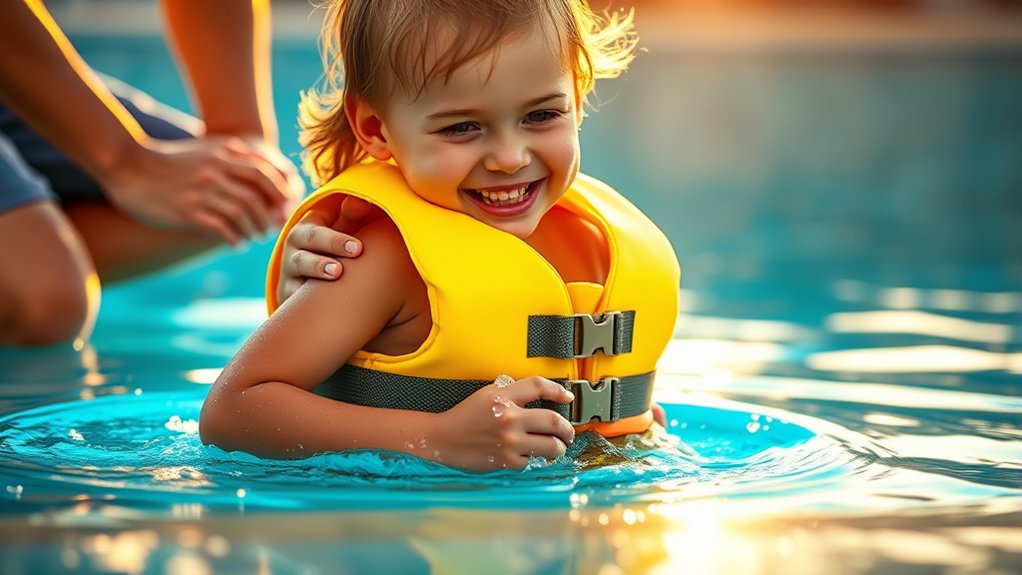
Flotation devices can be helpful for beginners as they promote water confidence and initial safety.
However, don’t let your child become overly reliant on them, as this may hinder their development of essential swim techniques.
Instead, use various device types gradually, shifting to independent swimming.
Guarantee you supervise your child closely, as these devices can create a false sense of security.
Balancing enjoyment and skill-building will set them up for long-term success in the water.
Conclusion
With patience and practice, your child can become a swimming superstar in no time! Remember to keep the atmosphere safe and fun. This makes learning a splash.
Regularly reinforce skills and track progress, celebrating every little achievement. Immerse yourself in games and exercises that spark joy and build confidence.
You’re not just teaching a skill; you’re creating lasting memories that will make their love for water as deep as the ocean! So, let’s make waves and enjoy the journey together!