How To Get Rid Of Swim Ear – Effective Remedies
To get rid of swimmer’s ear, quickly dry your ears by tilting your head and pulling the earlobe to drain water. Use a mixture of equal parts white vinegar and rubbing alcohol as homemade ear drops to prevent moisture buildup. Avoid inserting objects into your ear canal.
If pain or discharge persists, seek medical treatment, which may include prescription antibiotics. Taking these steps helps ease discomfort and prevent infection.
You’ll also find tips for prevention and when to see a doctor ahead. Just keep reading!
How To Safely Get Water Out To Prevent Swimmer’s Ear

To safely get water out of your ears and prevent swimmer’s ear, start by tilting your head to one side and gently pulling your earlobe to straighten the ear canal. This helps gravity drain the moisture naturally.
Avoid sticking cotton swabs or any objects into your ear canal because that can push water and debris deeper, which increases the risk of infection.
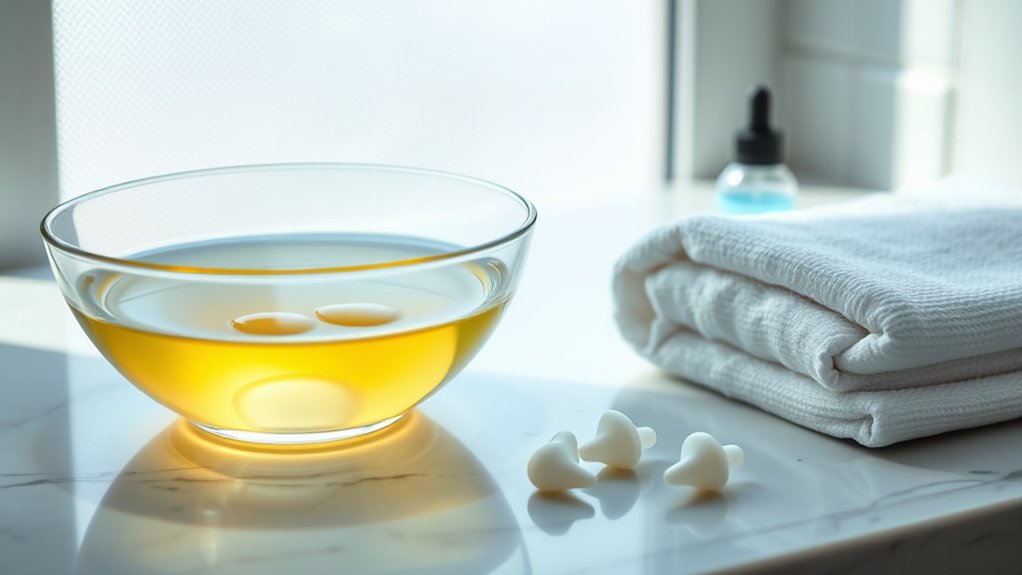
Instead, try using over-the-counter ear drops made to dry trapped moisture effectively. You can also make your own ear drops at home using equal parts white vinegar and rubbing alcohol. These help evaporate the water and restore your ear’s natural balance.
After swimming, you might want to place cotton balls coated with petroleum jelly gently at the ear opening. This can help prevent water from getting into the ear canal and reduce the chance of water retention and swimmer’s ear.
How To Spot Swimmer’s Ear Symptoms
How can you tell if swimmer’s ear has developed? The symptoms of swimmer’s ear often start with itchiness in the outer ear and progress to more severe signs like intense pain when you tug your earlobe.
Inflammation of the canal may cause reduced hearing and a buzzing sound, signaling an ear infection. You might also notice foul-smelling discharge.
| Symptom | Location | Indication |
|---|---|---|
| Intense pain | Outer ear | Inflammation of the canal |
| Itchiness | Ear canal | Early symptom |
| Foul-smelling pus | Ear canal | Ear infection, discharge present |
Recognizing these symptoms early helps you seek treatment promptly and avoid complications. So, if you notice any of these signs, don’t wait to get checked out!
What Is Swimmer’s Ear?
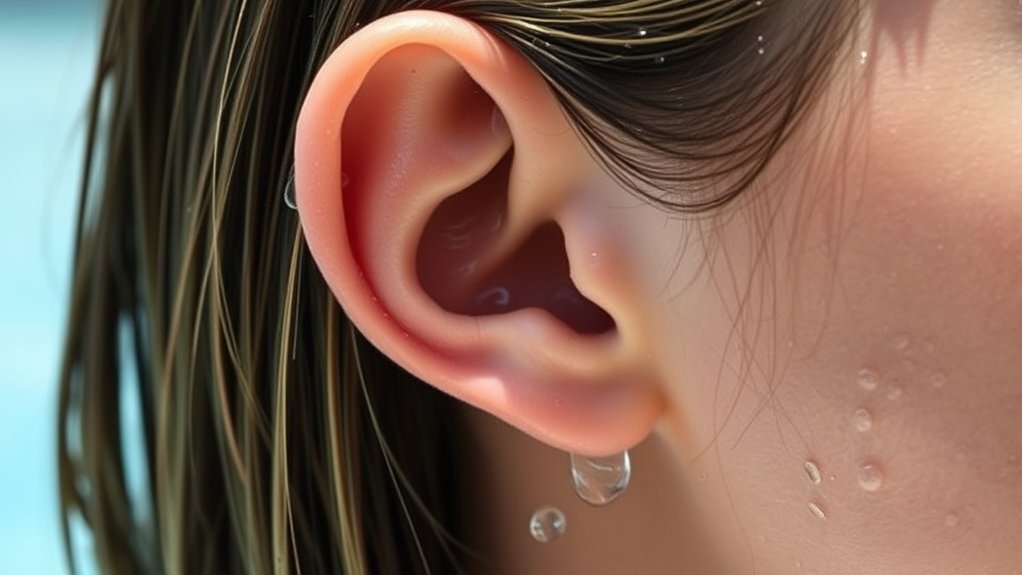
Swimmer’s ear, also called otitis externa, is basically an infection of the ear canal. It usually happens when bacteria or fungi grow in moist conditions.
You might start noticing symptoms like pain, itching, or discharge from your ear. This often happens after you’ve been swimming or if your ear gets irritated somehow.
Knowing what causes it and the signs to watch out for can really help you manage the problem and keep it from coming back.
Definition And Causes
Although it might seem like a minor irritation, swimmer’s ear, clinically called otitis externa, is an infection or inflammation of the ear canal that connects your outer ear to the eardrum. This condition primarily affects swimmers because moisture trapped in the ear canal creates an ideal environment for bacteria to grow.
The main causes of otitis externa include prolonged exposure to water, which softens the skin inside the ear, and mechanical damage from inserting objects like cotton swabs. These factors compromise your ear’s natural defenses, allowing bacteria to invade.
Understanding these causes helps you take preventive measures, such as keeping your ears dry and avoiding the insertion of objects, to reduce the risk of developing swimmer’s ear.
It’s easier to prevent than to treat, so a little care goes a long way.
Common Symptoms Overview
Ear canal infections, known medically as otitis externa, cause a range of uncomfortable symptoms that you should recognize early. Swimmer’s ear affects the canal between your eardrum and outer ear, leading to pain, itchiness, and sometimes foul-smelling discharge.
You might also notice reduced hearing or unusual sounds due to swelling. These symptoms can be quite bothersome, so it’s important to pay attention to them.
| Symptom | Description | Impact |
|---|---|---|
| Ear Pain | Severe, worsens with movement | Limits head and ear mobility |
| Itchiness & Discharge | Yellow/green pus, foul odor | Indicates infection presence |
| Hearing Changes | Buzzing, reduced hearing | Affects auditory perception |
Recognizing otitis externa symptoms early helps you seek timely treatment. This way, you can avoid complications like canal narrowing or facial infections.
Effective Home Remedies For Swimmer’s Ear
Two simple ingredients, white vinegar and rubbing alcohol, can form an effective home remedy to help you manage swimmer’s ear. Mixing equal parts creates ear drops that evaporate trapped water and inhibit bacterial growth.
To support this home remedy, follow these steps:
- Use a few drops of the vinegar-alcohol solution after swimming or showers to keep moisture at bay.
- Protect your ears by inserting cotton balls coated with petroleum jelly during baths to keep water out.
- Gently blow-dry your ears on the lowest setting from a safe distance to remove residual moisture.
- Always verify your eardrum is intact before applying any home remedy to avoid complications.
These simple measures help maintain ear dryness, reducing the risk and discomfort of swimmer’s ear effectively.
It’s an easy way to keep your ears comfortable and healthy.
Using Over-The-Counter Ear Drops For Swimmer’s Ear
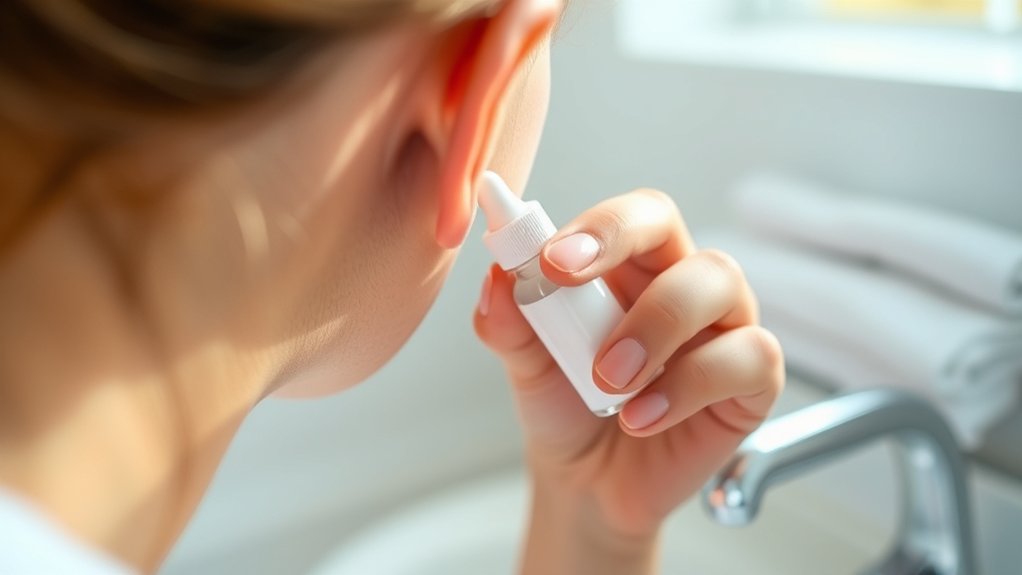
When you notice the early signs of swimmer’s ear, using over-the-counter ear drops can quickly help manage the condition by eliminating bacteria and drying out trapped moisture.
These ear drops usually combine acidic solutions with antibiotics to create an environment unfavorable for bacterial growth.
Applying a few drops in the affected ear multiple times a day, as directed on the packaging, promotes healing and prevents infection. Over-the-counter ear drops are generally safe unless you have a ruptured eardrum.
So, it’s wise to consult a healthcare professional if symptoms persist.
Also, using these drops after water exposure can effectively prevent swimmer’s ear by removing moisture from the ear canal.
This reduces the risk of bacterial buildup and keeps your ears healthy.
Medical Treatments For Severe Swimmer’s Ear
If your swimmer’s ear worsens or doesn’t improve with over-the-counter treatments, you’ll likely need prescription antibiotic ear drops to effectively combat the infection and promote healing.
If symptoms persist or worsen, prescription antibiotic ear drops are essential to treat swimmer’s ear and aid healing.
Severe cases often require medical advice to guarantee proper care of the external ear and prevent complications.
Here are key medical treatments for severe swimmer’s ear:
- Prescription antibiotic ear drops target bacterial infections directly in the ear canal.
- Oral antibiotics may be necessary if the infection spreads beyond the external ear.
- Ear canal cleaning or wick placement helps deliver medication when swelling obstructs the ear.
- Pain management typically involves alternating acetaminophen and ibuprofen to reduce discomfort.
Following these treatments under professional guidance guarantees effective recovery and reduces the risk of chronic infection.
Just make sure to keep in touch with your healthcare provider throughout the process.
Tips To Keep Your Ears Dry And Prevent Swimmer’s Ear
Although swimmer’s ear results from infection, preventing excess moisture in your ear canal is key to reducing your risk. After swimming or bathing, tip your head to each side to drain water in the ear effectively. Avoid using Q-tips or similar objects, as they can push earwax deeper and trap moisture.
To keep ears dry during showers, apply petroleum jelly to cotton balls and gently insert them into your ear openings to block water. Wearing well-fitted earplugs or a swim cap while swimming also limits water exposure.
If you feel moisture trapped, use a blow dryer on a low setting, held at least a foot away, to help evaporate it.
Finally, consider using ear drops designed to dry out residual water safely. It’s a simple step that can really help prevent swimmer’s ear. Just a little care goes a long way in keeping your ears healthy and dry.
How To Prepare For A Doctor’s Visit If Symptoms Persist
How should you prepare for a doctor’s visit when swimmer’s ear symptoms persist? Proper preparation guarantees your healthcare provider can diagnose and treat your condition effectively, especially if you have ear tubes or recurrent ear infections. Here’s how to get ready:
First, document your symptoms clearly. Note when they started, how long they last, and how severe they are.
Next, list all the medications, vitamins, and supplements you’re taking, including dosages. Also, be sure to mention any allergies, especially to medications, so your doctor can avoid any adverse reactions.
Prepare some questions too. Think about causes, treatments, and what follow-up care you might need.
Be ready to talk about your recent swimming habits and your ear care routine. Don’t forget to mention any history of ear infections.
This kind of thorough preparation helps your doctor provide the best care. It also helps them decide if you might need interventions like ear tubes.
Frequently Asked Questions
Can Swimmer’s Ear Cause Hearing Loss?
Yes, swimmer’s ear can cause hearing loss if you don’t address it promptly.
The causes of swimmer’s ear include trapped water and bacterial growth, which lead to inflammation and swelling, blocking your ear canal.
Watch symptoms like ear pain, itching, and discharge.
To prevent hearing loss, follow prevention tips like drying ears thoroughly and avoiding inserting objects.
Home remedies can help initially, but seek medical care if symptoms worsen to protect your hearing.
It’s better to be safe and get it checked out so you don’t risk your hearing.
Is Swimmer’s Ear Contagious?
Swimmer’s ear isn’t contagious. It won’t jump from person to person like a cold. You can protect yourself by practicing good ear hygiene and following swimming precautions, like drying your ears thoroughly and avoiding contaminated water.
To keep swimmer’s ear at bay, use prevention strategies such as earplugs.
Also, avoid inserting objects into your ear canal. If you do get an infection, be sure to explore treatment options promptly to heal and prevent complications.
Can Swimmer’s Ear Affect Children Differently?
Yes, swimmer’s ear can affect children differently because their ear canals are narrower. You might notice symptoms like severe ear pain and fussiness.
Sometimes, kids have trouble telling you what’s wrong, which can make it harder to figure out.
It’s a good idea to avoid using cotton swabs and keep their ears dry to help prevent swimmer’s ear. If you do see signs of infection, getting medical care early is important. That way, you can avoid any complications.
Being proactive really makes a difference. It helps your child recover quickly and safely, so they can get back to feeling like themselves.
Are There Any Activities to Avoid With Swimmer’s Ear?
You should avoid swimming and any water sports to prevent worsening swimmer’s ear.
Practice proper swimming precautions by keeping your ears dry and using effective drying techniques after being in the water.
Make sure to maintain good ear hygiene, but don’t stick cotton swabs into your ears.
It’s important to recognize symptoms early, like itching, pain, or discharge, so you can get treatment quickly.
Also, try to avoid humid environments and earplugs that trap moisture.
Doing this helps reduce the risk of a prolonged infection.
How Long Does Swimmer’s Ear Typically Last Without Treatment?
Without treatment, swimmer’s ear symptoms typically last from several days up to a few weeks, and they usually get worse over time.
You really shouldn’t rely on home remedies alone because untreated infections can become chronic.
It’s best to explore treatment options like prescribed ear drops as soon as possible. To lower your risk, follow prevention tips like keeping your ears dry and avoiding putting objects inside them.
Getting early treatment helps you recover faster and prevents complications down the line.
Conclusion
Think of swimmer’s ear like a stubborn rainstorm trapped in a cave. It’s uncomfortable until you find a way out. By keeping your ears dry and using effective remedies, you can clear that storm quickly.
Remember, nearly 10% of swimmers experience this. But timely care prevents complications. If symptoms linger, don’t hesitate to see a doctor.
Taking action early keeps your ears healthy. It lets you enjoy the water without worry.