Can You Swim With A Tampon – Safety Guide
You can safely swim with a tampon during your period since tampons absorb menstrual flow without soaking up pool or ocean water. Chlorinated water keeps pools hygienic, and water pressure often helps prevent leaks.
Just choose the right absorbency for your flow and change your tampon every 4 to 8 hours to stay comfortable and protected. If you want to feel more confident and understand ways to prevent leaks or explore alternatives, there’s a lot more useful information ahead.
Is It Safe to Swim With a Tampon During Your Period?
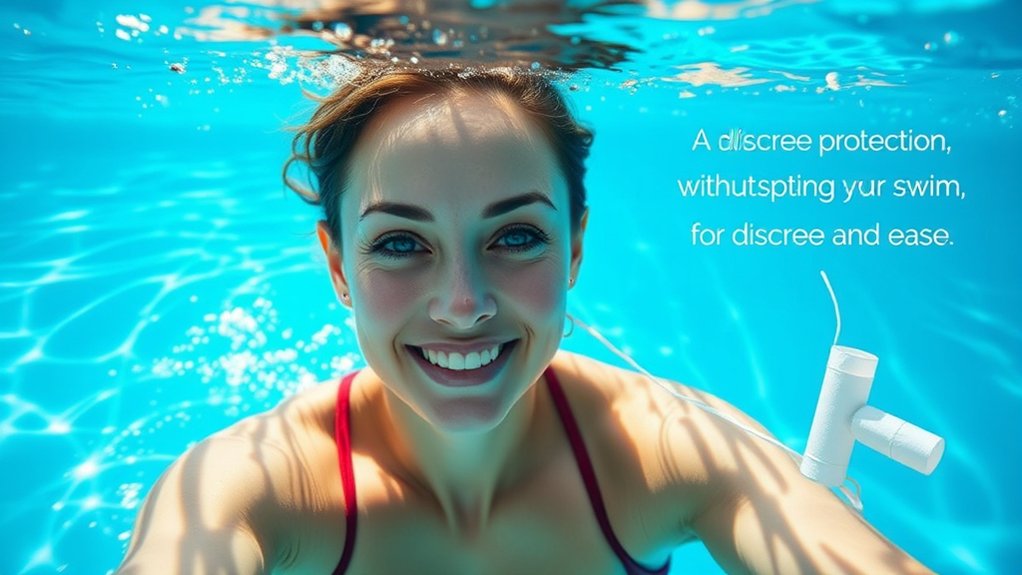
Wondering if it’s safe to swim with a tampon during your period? Yes, it’s safe because tampons are designed for internal use. They effectively absorb your menstrual flow and prevent leaks while swimming.
When you swim in chlorinated water, the chemicals help keep things hygienic by minimizing bacteria. That makes pools a pretty safe environment during your period.
Plus, tampons don’t absorb pool or ocean water, so they stay comfortable and don’t get soggy.
To stay safe, just choose a tampon with the right absorbency for your flow and be sure to change it every 4 to 8 hours.
Pairing tampons with period-friendly swimwear gives you extra confidence and protection.
And remember, after swimming, it’s important to change your tampon to keep things fresh and prevent any discomfort.
Busting Common Myths About Swimming on Your Period
Now that you know swimming with a tampon during your period is safe and hygienic, it’s important to address some common myths that might make you hesitant to enjoy the water.
A common myth is that tampons absorb pool water, but they’re designed to absorb menstrual blood only, maintaining effectiveness underwater.
You might worry about menstrual blood creating a visible trail, but water pressure prevents this while submerged.
Some fear swimming on your period isn’t safe in chlorine pools; however, chlorine minimizes bacteria, ensuring hygiene.
Chlorine in pools reduces bacteria, making swimming during your period safe and hygienic.
Another myth is that swimming attracts sharks, which is untrue. Most shark attacks involve men, not menstruating swimmers.
Plus, swimming may help relieve menstrual cramps by releasing endorphins.
Knowing these facts empowers you to swim confidently and comfortably on your period.
How Tampons Prevent Leaks While Swimming

Although swimming on your period might feel intimidating, tampons play an essential role in preventing leaks by absorbing menstrual flow internally and creating a secure seal.
When tampons are inserted correctly, they form a barrier that minimizes leaks, even with water pressure pushing against you while swimming. This seal guarantees that menstrual flow stays contained, giving you confidence in the water.
The absorbency of the tampon should match your menstrual flow to maintain both comfort and leak protection.
Also, practicing good hygiene by changing tampons every 4 to 8 hours, especially after swimming, helps prevent irritation and keeps you comfortable.
Choosing the Right Tampon Absorbency for Swimming
Selecting the right tampon absorbency is key to staying comfortable and leak-free while swimming during your period. You should match tampon absorbency to your menstrual flow. Use light or regular absorbency on lighter days and super absorbency on heavier days.
This guarantees comfort and prevents leaks despite water pressure. Water pressure may temporarily reduce flow but doesn’t stop it. Always insert a fresh tampon right before swimming to maximize protection and keep things hygienic.
Choosing the lowest absorbency necessary helps avoid dryness and discomfort while in the water. Tampons come in regular, super, and super plus absorbencies, so you can tailor protection based on your needs.
How Often Should You Change Your Tampon When Swimming?
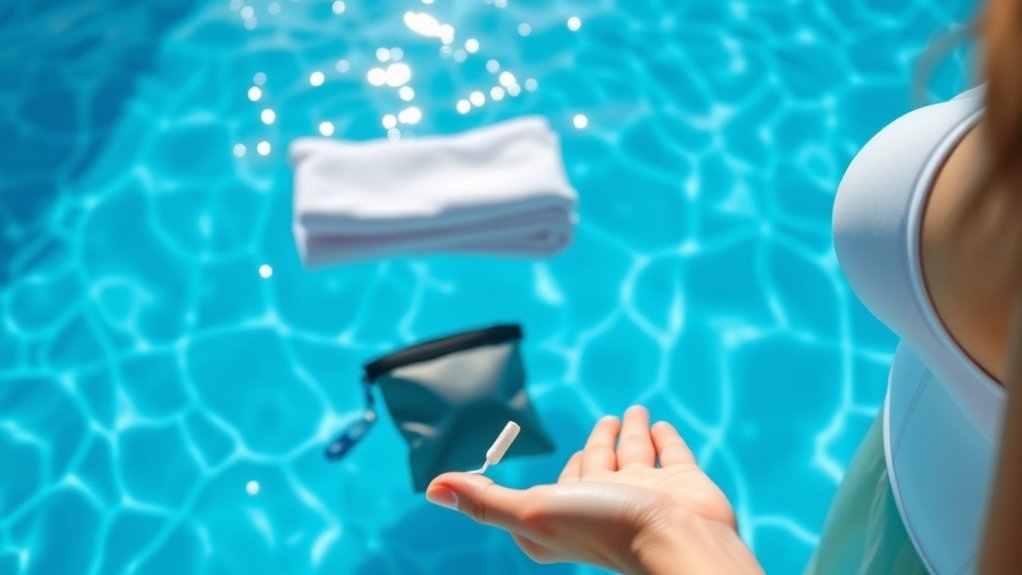
Once you’ve chosen the right tampon absorbency for swimming, it’s important to understand how often you should change it to stay comfortable and leak-free. Tampons should generally be changed every 4 to 8 hours, even in a swimming pool. Insert a fresh tampon right before entering the water and change it immediately after swimming.
Water pressure may slow your flow, but it won’t stop it, so regular checks are essential. If you have a heavier flow, be ready with extra tampons to change your tampon right when needed to prevent leaks.
| Situation | Recommended Action |
|---|---|
| Before swimming | Insert a fresh tampon |
| While swimming | Perform regular checks |
| After swimming | Change tampon immediately |
| Heavier flow days | Change more frequently, bring extra tampons |
Tips to Prevent Tampon Leaks and Stay Comfortable Swimming
To prevent tampon leaks and stay comfortable while swimming, start by inserting a fresh tampon right before you enter the water.
Choose a tampon with the right absorbency for your flow. Using a super absorbent tampon on heavier days can help you swim confidently without leaks.
Select the right absorbency to match your flow and swim confidently without leaks on heavier days.
Don’t forget to change your tampon within 4 to 8 hours to keep things hygienic and comfortable.
Tuck the tampon string between your labia to reduce visibility and avoid irritation while you’re in the water.
For extra protection and peace of mind, pair your tampon with period-friendly swimwear designed to prevent leaks.
Following these tips means you can enjoy swimming comfortably and worry-free during your period.
What to Do If You Experience Discomfort or Irritation Swimming
If you experience discomfort or irritation while swimming with a tampon, first check that it’s inserted correctly and matches your flow’s absorbency.
Improper placement or using a tampon with too high absorbency can cause irritation. Always maintain good hygiene by washing your hands before and after insertion to reduce infection risk.
After swimming, change your tampon promptly to avoid prolonged moisture exposure that could worsen discomfort.
If irritation persists or you notice unusual symptoms like pain or odor, consult a healthcare professional for advice.
While this guide focuses on tampons, consider discussing menstrual cup options with your provider.
They may offer a more comfortable, irritation-free experience during swimming. Prioritizing your health guarantees safe and comfortable water activities.
Alternatives to Tampons for Swimming: Menstrual Cups and Swimwear
When discomfort or irritation arises from using tampons while swimming, exploring other menstrual protection options can make your water experience more comfortable.
Menstrual cups offer a reusable, eco-friendly alternative that doesn’t absorb water and can hold flow for up to 12 hours. Without strings, they enhance comfort and reduce visibility during swimming.
Period swimwear, designed with built-in absorbent layers, provides discreet protection equivalent to one or two tampons, making it ideal for water activities.
Both options require proper hygiene and maintenance to stay effective and prevent leaks. You can also combine menstrual cups or period swimwear with traditional products for extra security.
Choosing these alternatives helps you maintain comfort and confidence while enjoying swimming and other water activities.
It’s all about finding what works best for you so you can have fun without any worries.
Frequently Asked Questions
Can Swimming With a Tampon Increase the Risk of Toxic Shock Syndrome?
Swimming with a tampon doesn’t directly increase your risk of toxic shock syndrome, but proper tampon usage is essential.
Make sure to follow health guidelines by changing tampons every 4 to 8 hours, especially after swimming. This helps reduce any risk factors.
It’s important to practice good hygiene and stay aware of symptoms like fever or rash.
Managing your period carefully is key to staying safe.
If you have any concerns or notice signs of illness, don’t hesitate to consult a medical professional.
That way, you can enjoy swimming and keep your period management safe and comfortable.
Should I Use a New Tampon Before Swimming or Can I Keep One In?
You’ll want to use a new tampon before swimming, especially if you’ve been active or in the water for a while.
Different tampon types offer varying absorbency, so choosing one that fits your comfort levels and menstrual flow helps prevent leakage concerns.
Remember, good hygiene practices and timely product changes matter, whether you’re at the beach or pool.
Also, consider water temperature and activity duration to maintain comfort.
Following proper swimming tips and beach etiquette is always a good idea.
How Do Saltwater and Chlorine Affect Tampon Safety and Comfort?
Saltwater and chlorine generally don’t affect tampon absorbency levels, but you might experience saltwater irritation or chlorine sensitivity, especially if you have sensitive skin.
For comfort during exercise and swimming, pick a tampon brand known for gentle materials.
Keep swimming duration effects in mind. Change tampons promptly after swimming to avoid skin reactions.
Follow tampon removal tips and post-swimming hygiene to maintain comfort.
If irritation persists, consider alternative menstrual products like menstrual cups or discs.
Is It Safe to Swim With a Tampon While Using Birth Control?
Yes, you can safely swim with a tampon while using birth control methods.
Since hormonal birth control often lightens your menstrual flow, you might need a lower tampon absorption level for comfort.
Remember to change tampons regularly based on your swimming duration and physical activity to maintain personal hygiene and prevent leakage.
If tampons feel uncomfortable, consider alternative products like menstrual cups or discs.
Always listen to your body and adjust according to your menstrual cycle and comfort level.
It’s all about what feels right for you!
Can Physical Activity After Swimming With a Tampon Cause Leaks or Discomfort?
Yes, physical activity after swimming can cause leaks or physical discomfort if your tampon absorbency doesn’t match your menstrual flow or if the tampon has been in too long.
Your activity level and swimming duration affect this, too.
Pay attention to body awareness and water temperature, as they influence flow and comfort.
Choosing the right tampon brands and adjusting your swimming techniques based on personal preference can help you avoid leaks and stay comfortable.
Conclusion
Swimming with a tampon is safe when you choose the right absorbency and change it regularly. Imagine Sarah, who confidently enjoys her beach day without worry because she followed these tips.
If you ever feel discomfort, don’t ignore it. Just remove or replace your tampon promptly.
Remember, alternatives like menstrual cups or specialized swimwear can also keep you comfortable. With the right care, you can swim freely and confidently during your period.