Can You Swim In Your Period – Safety Guide
Yes, you can swim safely during your period by using reliable products like tampons or menstrual cups. These help prevent leaks underwater. Chlorine in pools keeps the environment hygienic, and water pressure can ease your flow temporarily.
Swimming might even reduce cramps because of the endorphins and buoyancy. Just avoid pads since they soak up water and can cause leaks. Practicing good hygiene before and after swimming will make you feel more comfortable.
Also, explore how to manage heavy flow and care for your products. That way, you can stay confident and enjoy your time in the water.
Is It Safe to Swim During Your Period?
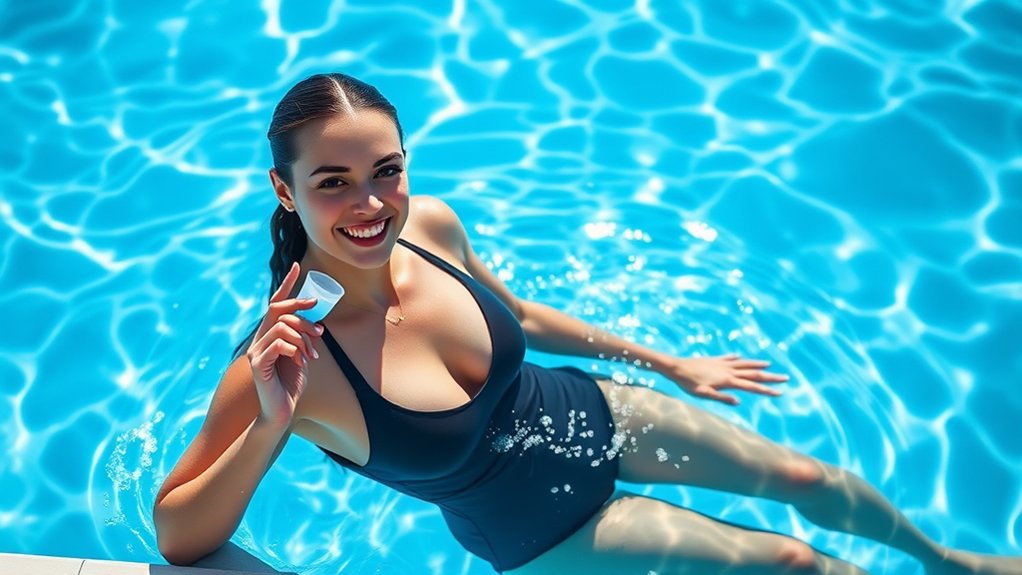
Wondering if it’s safe to swim during your period? The answer is yes. Swimming during your period is completely safe when you use reliable menstrual products like tampons or menstrual cups. These products effectively prevent leaks, allowing you to enjoy the water worry-free.
Pool chlorine helps maintain hygiene by treating menstrual fluids just as it does sweat, so you don’t need to be concerned about cleanliness.
Plus, water pressure can temporarily reduce menstrual flow, making swimming even more comfortable.
Many find that regular swimming helps ease menstrual cramps thanks to the release of endorphins.
Common Myths About Swimming on Your Period, Debunked
You might worry about hygiene or even fear that swimming during your period could attract sharks, but honestly, those concerns aren’t backed by science.
Pools have chlorine that keeps things clean, so there’s no need to stress about germs.
And as for sharks being drawn to menstrual blood? That’s just a myth.
Actually, swimming can be pretty great when you’re on your period.
It helps ease cramps because it releases endorphins, which are your body’s natural painkillers.
Hygiene Concerns Dispelled
Although some myths persist, swimming during your period is perfectly hygienic and safe. Chlorine in pools effectively kills bacteria, managing menstrual fluids just like sweat. So, you don’t need to worry about hygiene while swimming.
Using proper menstrual products, such as tampons or menstrual cups, prevents leaks and keeps you comfortable in the water.
Remember, your menstrual flow doesn’t stop completely underwater. It may slow due to water pressure, but it resumes once you’re out. For hygiene, it’s important to change your tampon or menstrual cup soon after swimming to reduce the risk of infections like toxic shock syndrome.
Embracing these facts helps you enjoy swimming confidently without concerns about cleanliness or discomfort during your period.
Shark Attack Myth
Since concerns about sharks are a common reason some avoid swimming during their period, it’s important to address the myth that menstrual blood attracts sharks. This myth has no scientific basis.
Studies show over 80% of shark attack victims are male, which tells us there’s no link between shark attacks and menstruation.
Sharks are more drawn to bodily fluids like urine and fish blood than menstrual blood specifically. The International Shark Attack File confirms scuba diving and swimming are safe for women during their periods, with no increased risk of attacks.
Sharks rely on multiple sensory cues to detect prey, and menstrual blood isn’t a primary attractant.
Understanding these facts should ease your worries and help you feel confident enjoying your water activities, even while on your period.
Cramps And Swimming
Concerns about swimming during your period often extend beyond shark myths to worries about menstrual cramps worsening in the water. Contrary to popular belief, swimming can actually alleviate cramps. The buoyancy of water reduces pressure on your abdomen, while aerobic exercise releases endorphins, natural pain relievers that ease discomfort.
Plus, water pressure may temporarily reduce menstrual flow, but it won’t stop it. Using proper menstrual products keeps you leak-free and comfortable.
| Myth | Fact | Why It Matters |
|---|---|---|
| Swimming worsens cramps | Swimming eases cramps via endorphin release | Encourages swimming for relief |
| Menstrual blood attracts sharks | No evidence links menstruation to attacks | Removes fear, promotes safety |
| Water pressure stops flow | Flow is only temporarily reduced | Helps manage expectations |
| Swimming is unhygienic on periods | Chlorine maintains pool hygiene | Guarantees safe swimming |
| You can’t swim while cramping | Swimming can improve menstrual comfort | Supports activity during periods |
What Period Products Work Best for Swimming
Three popular period products stand out as effective choices for swimming: tampons, menstrual cups, and period swimwear.
Tampons, when inserted before swimming, provide reliable absorption and should be changed soon after to maintain hygiene and prevent leaks.
Menstrual cups offer a flexible, water-resistant option that can be worn for up to 12 hours, collecting menstrual blood without absorbing pool water.
Period swimwear combines functionality and eco-friendliness, absorbing the equivalent of one to two tampons, and is reusable.
Avoid pads, as they soak up water, lose adhesion, and risk shifting.
Before swimming, practice using tampons or menstrual cups to guarantee comfort and fit.
Choosing the right product helps you stay confident and comfortable during water activities on your period.
Leakage Prevention Tips for Swimming on Your Period
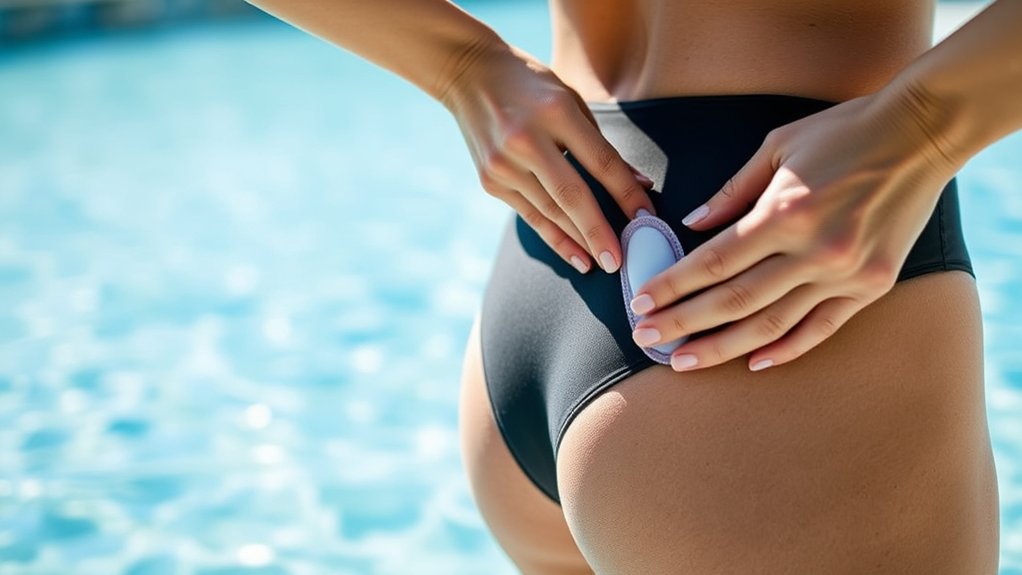
Choosing the right period product is a great first step, but preventing leaks while swimming also calls for some practical strategies.
Tampons and menstrual cups are ideal for leakage prevention, as they absorb or collect menstrual flow effectively underwater. Avoid pads since they soak up pool water and lose their grip, increasing leakage risk.
Tampons and menstrual cups prevent leaks underwater, unlike pads that absorb water and increase leakage risk.
Remember to change tampons every 4 to 8 hours after swimming to maintain hygiene and reduce health risks. Menstrual cups, on the other hand, can stay in for up to 12 hours without leaks or visible strings.
To boost confidence, try period-friendly swimwear featuring absorbent layers that hold menstrual blood discreetly.
Combining these options guarantees you enjoy swimming comfortably and leak-free during your period.
Caring for Your Period Products Around Swimming
While swimming during your period, taking proper care of your tampons, menstrual cups, or period swimwear is essential to stay comfortable and hygienic.
Always wash your hands before and after inserting or removing a tampon or menstrual cup to prevent infections.
Insert a tampon just before swimming and change it right after to maintain absorbency and avoid leaks.
If you prefer a menstrual cup, it can stay in for 4 to 12 hours, making it ideal for longer swims without frequent changes.
Period swimwear, which holds the equivalent of one to two tampons, should be changed and cleaned every 12 hours for maximum effectiveness.
Avoid using pads in the water, as they absorb water and lose protection.
Proper care guarantees your swimming experience is both safe and comfortable.
Does Swimming on Your Period Help With Cramps?
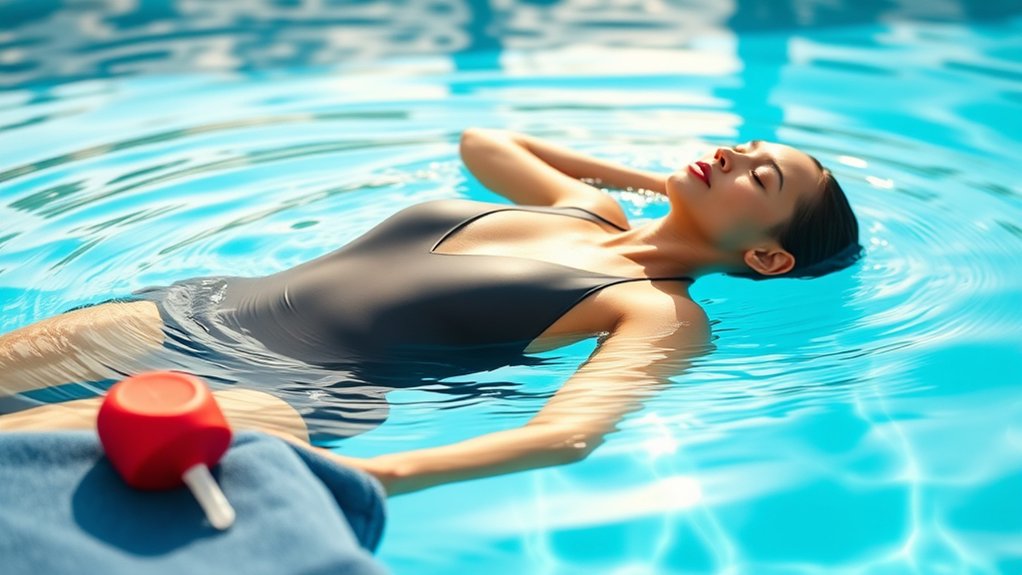
Swimming during your period can actually help reduce cramps because it releases endorphins, which are your body’s natural painkillers.
Plus, the buoyancy of the water gently supports your abdominal muscles, helping to ease that discomfort.
When you stay active in the pool, you might notice not only physical relief but also a lift in your overall mood.
Swimming Reduces Menstrual Pain
Relieving menstrual cramps can be challenging, but swimming offers a natural and effective solution. When you swim, the aerobic exercise boosts blood circulation, which helps ease the intensity of menstrual cramps.
Plus, the buoyancy of water reduces pressure on your body, making you feel lighter and more comfortable during your period.
Regular swimming not only alleviates cramps but also supports overall menstrual health by minimizing PMS symptoms. Studies show that women who stay active with exercises like swimming experience less pain and discomfort compared to those who remain sedentary.
So, by adding swimming to your routine during menstruation, you can manage menstrual cramps effectively. It’s a great way to improve your well-being without relying solely on medication or rest.
Give it a try and see how much better you feel!
Exercise Releases Natural Endorphins
Although menstrual cramps can be tough to handle, exercising during your period releases endorphins, natural painkillers that help reduce discomfort. Swimming, as an aerobic exercise, effectively triggers this release, easing menstrual cramps and boosting your mood.
By engaging in swimming, you not only lessen pain but also improve overall well-being during your cycle. It’s a great way to feel better without relying on medication.
| Benefit | How It Helps | Impact on Menstrual Cramps |
|---|---|---|
| Exercise releases endorphins | Natural pain relief | Reduces intensity |
| Aerobic activity | Increases blood flow | Soothes muscle tension |
| Swimming buoyancy | Less abdominal pressure | Eases discomfort |
| Mood enhancement | Reduces PMS symptoms | Makes periods manageable |
Embracing swimming can make your menstrual cycle more comfortable and manageable. Give it a try and see how it helps you feel.
Water Soothes Abdominal Muscles
Besides releasing endorphins to ease pain, the water itself plays a big role in soothing your abdominal muscles during menstruation. The buoyancy of water reduces pressure on your body, which helps your abdominal muscles relax. This can make menstrual cramps feel less intense.
Swimming is a gentle, low-impact aerobic exercise that boosts blood circulation. Better circulation can further ease cramping and discomfort.
Plus, the calming environment created by the water helps reduce tension, making you feel more comfortable during your period.
When you immerse yourself in water, you get more than just the natural pain relief from exercise. You also benefit from the supportive properties of water itself.
That’s why swimming is a safe and effective way to manage menstrual cramps.
Managing Heavy Flow During Swimming?
Opt for menstrual cup use or super-absorbent tampons, as they better absorb menstrual blood and hold more fluid than regular products.
You can also wear period-friendly swimwear designed to absorb light to moderate flow, adding an extra layer of security.
Before you swim, make sure to insert your menstrual cup properly or change the tampon to reduce any risk of leaks.
Once you’re done swimming, it’s important to change the tampon or empty the menstrual cup promptly to maintain hygiene and comfort.
Monitoring your cycle helps you anticipate heavy flow days, so you can plan swimming sessions accordingly and avoid discomfort or stress in the water.
Post-Swim Comfort and Hygiene Tips
Once you finish swimming, changing out of wet swimwear promptly is essential to prevent irritation and infections. Staying damp for too long can lead to discomfort or yeast infections.
For post-swim comfort, rinse period-friendly swimwear and wash it according to the manufacturer’s instructions. This helps maintain absorbency and hygiene.
When it comes to menstrual products, change tampons within 4 to 8 hours. Also, empty and wash menstrual cups after swimming to avoid bacteria buildup and odor.
Always wash your hands before and after handling menstrual products to minimize infection risk. Following these hygiene tips guarantees you stay fresh and comfortable after your swim.
This supports your health and well-being during your period. Prioritizing post-swim care helps you enjoy swimming confidently and safely.
Frequently Asked Questions
Can Swimming Affect the Length of My Period?
Swimming doesn’t affect the length of your period, despite common period myths suggesting otherwise. Your menstrual cycles are mainly controlled by hormones, so swimming won’t change their duration.
That said, swimming can boost your overall health and might even help improve cycle regularity over time.
For comfort while swimming during your period, it’s a good idea to use appropriate protection like tampons or menstrual cups.
If you notice any significant changes in your cycles, it’s best to check in with a healthcare provider. They can help figure out what’s going on and give you the right advice.
Is It Safe to Swim in Public Pools During Menstruation?
You can safely swim in public pools during menstruation. Consider that your entire flow over several days is about 4 to 12 teaspoons, which gets easily diluted in pool water.
To follow proper swimming etiquette and keep the pool hygienic, use reliable menstrual products like tampons or menstrual cups. Pads absorb water and may leak, so they’re not the best choice for swimming.
Public pools use chlorine to disinfect the water, so your presence won’t affect cleanliness. This means you can swim confidently and comfortably without worries.
How Soon After Swimming Should I Change My Tampon or Cup?
You should change your tampon within 4 to 8 hours after swimming to keep tampon absorption rates effective and lower the risk of infection.
For menstrual cups, it’s best to empty and rinse them shortly after swimming. This helps prevent leaks and keeps your menstrual product comfortable.
If you have a heavy flow, changing immediately is a smart move to avoid any leaks.
Always make sure to wash your hands before and after changing. This keeps everything hygienic and comfortable for you.
Can Swimming While on My Period Cause Infections?
Don’t let fear hold you back. Swimming while on your period doesn’t cause infections if you practice good menstrual hygiene.
Using tampons or menstrual cups helps keep swimming safe by preventing moisture buildup that pads can cause. Just change your tampon or cup promptly after swimming.
Also, try not to stay in wet swimwear too long. By staying mindful, you’ll enjoy swimming confidently and safely, keeping infections at bay.
Are There Specific Swimming Strokes Better Suited for Menstruating Swimmers?
Yes, certain strokes suit you better when menstruating. Freestyle is ideal because its breath control and stroke technique allow greater flexibility, easing discomfort.
Breaststroke offers a gentle pace, which can help reduce cramps.
Backstroke keeps you relaxed and minimizes abdominal pressure, enhancing comfort levels.
Avoid intense strokes like butterfly, as they may increase discomfort. Always listen to your body and choose strokes that feel best for you during your period.
Conclusion
Swimming during your period is completely safe and can even ease cramps, like a gentle wave soothing your body. By choosing the right products and taking simple precautions, you can enjoy the water confidently without worrying about leaks.
Remember to care for your period products properly and prioritize hygiene after swimming. Embrace the freedom to swim whenever you want. Your period doesn’t have to hold you back from making a splash and feeling your best.