Can You Swim With a G-Tube?
You can swim with a G-tube once your stoma has fully healed and your healthcare provider clears you. This usually happens after about six weeks. Before swimming, make sure your tube is securely closed and disconnected from any feeding equipment.
Opt for clean chlorinated pools or saltwater to reduce infection risks. Avoid natural or untreated bodies of water. Proper waterproofing and post-swim care are essential to protect your site.
More detailed guidance can help you manage swimming safely and confidently.
Is Swimming Safe With a G-Tube?

Although swimming with a G-tube requires certain precautions, it’s generally safe once your stoma site has fully healed and your healthcare provider has given clearance, usually around six weeks after placement.
Before swimming, make sure to close the feeding tube and disconnect it from any feeding pump to avoid complications.
Chlorinated pools and saltwater are the safest environments for swimming, as they minimize bacterial exposure.
You should avoid natural bodies of water, which may increase infection risk at the stoma site.
After swimming, thoroughly clean and dry the stoma site, monitoring for any signs of irritation or infection.
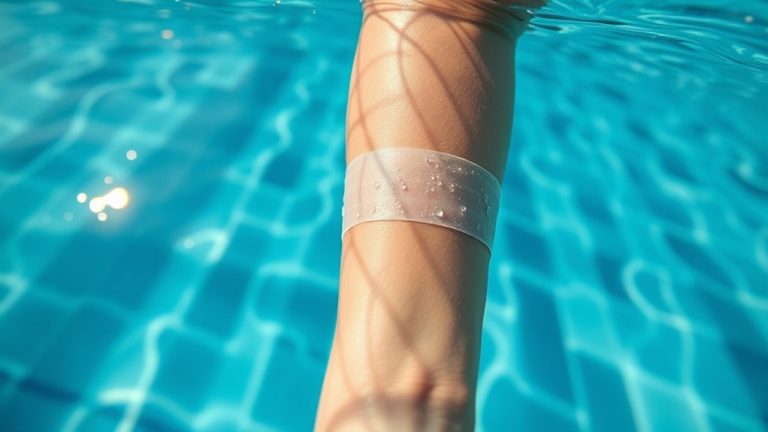
Using protective dressings like AquaGuard or Tegaderm can help shield the stoma site, especially in public or sandy locations, enhancing safety during swimming activities.
Healing Time Before Swimming
Before you resume swimming with a G-tube, you must allow at least six weeks for your stoma site to heal properly. This healing time is critical to reduce the risk of infection and guarantee the site is stable.
Allow at least six weeks for your G-tube stoma to heal before swimming to prevent infection and ensure stability.
Always consult your healthcare provider to confirm that the stoma site is fully healed and healthy before engaging in swimming activities.
Once cleared, swimming can be safe, but you need to monitor the stoma site closely for any signs of irritation or infection afterward.
Maintaining proper care of the stoma site, including regular cleaning and timely dressing changes, remains essential to prevent complications following swimming.
Adhering strictly to this healing time and care protocol supports your overall health and G-tube function.
Choosing the Right Swimming Environment

When selecting a swimming environment with a G-tube, you should prioritize clean, well-maintained water sources to minimize infection risk.
Chlorinated pools and saltwater environments are generally the safest options, as they’ve lower bacterial contamination levels.
Avoid natural bodies of water such as lakes and rivers, where bacteria may be more prevalent, increasing infection risk around your feeding tube site.
Public hot tubs and spas should also be avoided due to warm, stagnant water promoting bacterial growth.
Before swimming, check water quality reports or consult trusted resources like the CDC’s Healthy Swimming website to confirm the safety of the swimming environment.
Ensuring you choose an appropriate swimming environment is essential to protect your feeding tube and maintain your health during water activities.
Preparing Your G-Tube for Swimming
Selecting a safe swimming environment is only part of protecting your G-tube during water activities; proper preparation of the tube itself is just as essential.
Before swimming, verify your feeding tube is securely closed and clamped to prevent water ingress.
Ensure your feeding tube is firmly closed and clamped before entering the water to keep it safe.
Wait at least six weeks after G-tube placement or until your doctor confirms the tube site is fully healed. Apply a protective dressing like AquaGuard or Tegaderm over the stoma to shield it from water exposure.
After swimming, rinse the tube site thoroughly with clean water to remove chlorine or salt residues, then dry it gently to avoid irritation.
Monitor the tube site for redness, swelling, or drainage post-swimming, and seek medical advice promptly if infection signs develop.
Proper preparation minimizes complications and supports safe water activities with your feeding tube.
Waterproofing and Protecting the Stoma Site

Although swimming can be a safe activity with a G-tube, you must waterproof and protect the stoma site to prevent infection and maintain skin integrity. Cover the stoma site with waterproof dressings such as Tegaderm or plastic wrap before entering the water.
These dressings create a barrier that prevents water exposure, reducing infection risk and keeping the skin dry. Since stoma sites typically require about two months to fully heal, make certain your healthcare provider clears you for swimming.
Proper waterproofing supports healing by maintaining cleanliness and protecting the delicate tissue. Avoid swimming in untreated natural bodies of water to minimize contamination risk.
Post-Swimming Care for G-Tube Users
Since swimming exposes your G-tube site to chlorine, saltwater, and other potential contaminants, you must clean the area thoroughly with antibacterial soap immediately afterward.
Rinse the site well to remove all residues, then pat it dry carefully to prevent moisture buildup.
Post-swimming care for your feeding tube involves replacing any dressings right after swimming to maintain hygiene and protect the stoma from contaminants.
Confirm the site is dry before applying new dressings to reduce infection risk.
Consult your healthcare provider for personalized post-swimming care instructions tailored to your condition.
Following these steps helps maintain the integrity of your feeding tube site and supports overall skin health, minimizing complications associated with swimming activities.
Monitoring for Signs of Infection or Irritation
After you clean and dress your G-tube site following swimming, keep a close watch for any signs of infection or irritation.
Careful monitoring of the stoma site is essential to detect redness, swelling, or discharge promptly.
Any unusual pain or discomfort around the tube warrants immediate attention, as these may signal complications.
Make sure the stoma site remains clean and dry by thoroughly rinsing and gently patting it after exposure to water.
Regularly inspect for granulation tissue, which may indicate irritation; applying zinc oxide can help manage this.
Persistent or worsening signs at the stoma site require further evaluation.
Consistent, precise monitoring helps prevent infections and maintains the integrity of your G-tube placement after swimming activities.
When to Consult Your Healthcare Provider
Before you start swimming with a G-tube, consult your healthcare provider to verify your stoma site has fully healed, especially if it is less than two months old. Medical clearance guarantees the site is healthy and reduces infection risk.
Always talk to your healthcare provider if you notice discomfort, irritation, or infection signs while swimming. Regular follow-ups help monitor your G-tube site and guide safe swimming practices.
| When to Consult | Reason | Action Required |
|---|---|---|
| Before first swim | Stoma site healing status | Obtain medical clearance |
| During swimming | Discomfort or irritation | Stop swimming and seek advice |
| After noticing infection signs | Infection at stoma site | Contact healthcare provider |
| Routine check-up | Monitor stoma site condition | Follow provider’s recommendations |
Frequently Asked Question
Can I Swim With a G-Tube in Saltwater or Freshwater Lakes?
Yes, you can swim with a G-tube in saltwater or freshwater lakes once the stoma site has fully healed, usually after six weeks.
Make sure the G-tube is securely closed before entering the water to prevent contamination.
Use protective dressings like AquaGuard or Tegaderm to shield the site.
After swimming, rinse the area thoroughly and monitor for irritation or infection, especially in freshwater lakes where bacteria levels may be higher.
Will Swimming With a G-Tube Affect My Daily Feeding Schedule?
Swimming with a G-tube won’t necessarily affect your daily feeding schedule if you properly disconnect and securely close the tube before entering the water.
You should adjust feeding times if your scheduled feed coincides with swimming.
After swimming, wait until your skin and stoma site are clean and dry before resuming feeds to avoid irritation or infection.
Regularly monitor the stoma site to guarantee no complications disrupt your feeding routine.
Are There Specific Swimwear Options Designed for G-Tube Users?
Yes, there are specific swimwear options designed for G-tube users. You can choose high-waisted swimsuits or tankinis that cover the stoma site for protection.
Swim tops with built-in pockets or flaps securely hold feeding tubes in place during water activities.
Furthermore, adaptive swimwear made from waterproof materials helps keep the stoma dry.
Rash guards provide extra coverage and sun protection, combining functionality with comfort for your needs.
How Long Can I Stay in the Water With a G-Tube?
Think of your G-tube site as a delicate flower. Exposure to water is nourishment only in moderation.
You should limit your swim time to about 30 minutes to avoid irritation or infection.
Use waterproof dressings like AquaGuard to protect the stoma, but always check the site afterward.
Consult your healthcare provider for personalized guidance, as healing stages vary.
Prioritize your safety by balancing water exposure with careful monitoring.
Can Swimming Help Improve G-Tube Site Healing or Reduce Discomfort?
Yes, swimming can help improve G-tube site healing and reduce discomfort by promoting relaxation and gentle muscle tension relief.
The buoyancy of water allows you to move without stressing the stoma site, potentially aiding recovery.
However, make sure your site is fully healed and free from irritation before swimming.
Always check with your healthcare provider to confirm swimming is safe for your specific condition and to get personalized advice on water activities.
Conclusion
You might think swimming with a G-tube is off-limits, but with proper care, it can be safe. Still, rushing in too soon or neglecting waterproofing could lead to complications you don’t want.
Pay close attention to healing time, protect your stoma site diligently, and monitor for any signs of infection. If anything feels off, don’t hesitate. Consult your healthcare provider promptly.
Your safety depends on the steps you take before and after every swim.