Is Swimming Good Exercise – Benefits And Insights
Swimming is a fantastic full-body workout that strengthens your muscles, heart, and lungs while being gentle on your joints. You’ll burn calories efficiently and improve flexibility with low-impact resistance from water. Plus, it helps reduce anxiety and boost your mood through rhythmic movement and endorphin release.
Whether you’re managing weight, enhancing fitness, or seeking stress relief, swimming suits all levels. Keep exploring to discover how to start safely and improve your skills.
Why Swimming Is an Excellent Full-Body Workout

Because swimming engages nearly all major muscle groups, it offers you a thorough full-body workout that strengthens your arms, legs, core, and back.
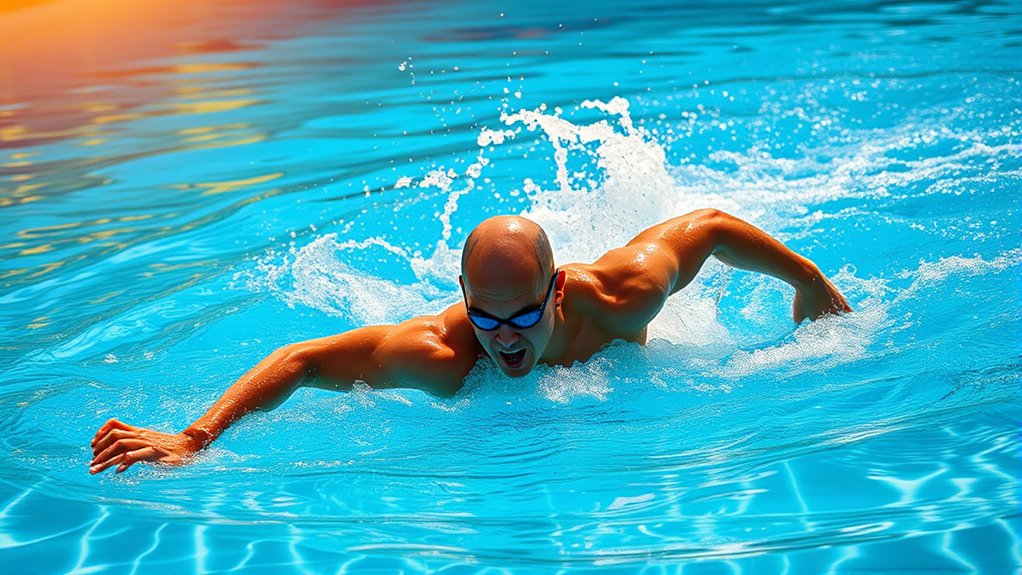
Swimming uses various strokes like freestyle and butterfly, which challenge your muscles differently, boosting muscle strength and endurance. The natural resistance water provides means every movement works harder without the strain you’d get on land.
Different strokes like freestyle and butterfly strengthen muscles uniquely, with water resistance enhancing effort without joint strain.
This low-impact movement makes swimming accessible and safe, especially if you have joint pain or mobility issues.
Plus, swimming increases your cardiovascular fitness by raising your heart rate efficiently during exercise. Whether you swim moderately or vigorously, you burn calories and build strength simultaneously.
Embracing swimming as your full-body workout means you’re investing in a balanced, effective exercise routine that supports your overall health and physical resilience.
It’s a great way to stay fit and feel good all around.
How Swimming Boosts Heart and Lung Health
When you swim regularly, you actively strengthen your heart and lungs, improving your overall cardiovascular health. Swimming is a great aerobic exercise that enhances lung capacity and efficiency. It’s especially helpful if you have respiratory challenges like asthma.
By swimming, you lower your blood pressure and improve circulation. This reduces your risk of heart disease. Studies show swimmers have a 41% lower risk of death from heart disease compared to those who don’t exercise.
Swimming also helps improve cholesterol levels by lowering total cholesterol and triglycerides.
Why Swimming Is Gentle on Joints and Ideal for Arthritis

You’ll find swimming easier on your joints because the water’s buoyancy reduces impact. This makes it perfect if you have arthritis or joint pain.
Plus, the gentle resistance in the water helps strengthen your muscles while improving flexibility. And the best part? You can do all this without risking injury.
A lot of people with arthritis or fibromyalgia notice less stiffness and better movement when they swim regularly.
It’s a great way to stay active and feel better at the same time.
Reduced Joint Impact
Although joint pain can limit your exercise options, swimming offers a low-impact way to stay active without adding stress to your joints. Thanks to the buoyancy of water, swimming provides reduced joint impact by supporting your body weight, which helps you move more freely and comfortably.
As a low-impact exercise, it’s ideal for improving joint flexibility while minimizing the risk of injury. Regular water workouts engage muscles gently but effectively, making swimming a great option for rehabilitation and recovery.
Whether you’re dealing with arthritis or other joint issues, swimming allows you to maintain strength and mobility without exacerbating pain.
Embracing this form of exercise can keep you active and support your joint health over time.
Arthritis Symptom Relief
Building on how swimming reduces joint impact, it’s especially beneficial for managing arthritis symptoms. Water-based exercises like swimming use buoyancy to support your body, which reduces stress on your joints and helps alleviate pain.
Regular swimming sessions can improve your joint flexibility and reduce stiffness, making daily movements easier and more comfortable. The gentle resistance of water allows you to strengthen muscles without aggravating arthritis pain.
This combination not only provides arthritis symptom relief but also enhances your overall physical function and mobility. Studies show that consistent swimming can considerably improve your quality of life by lowering pain levels and increasing ease of movement.
If you’re looking for a low-impact, effective way to manage arthritis, swimming is an excellent choice. Give it a try and see how it can make a difference for you!
Fibromyalgia Function Improvement
Because swimming’s buoyancy reduces the pressure on your joints, it offers a gentle, low-impact workout ideal for managing fibromyalgia symptoms. Exercising in water supports your body weight, easing pain and stiffness often associated with fibromyalgia.
Swimming improves your physical health by enhancing flexibility and building cardiovascular endurance without straining your muscles or joints. This low-impact activity allows you to stay active even on tough days, promoting better mobility and reducing fatigue.
Research shows that regular aquatic exercise can relieve pain and improve your overall quality of life. By choosing swimming, you’re engaging in a safe, effective way to manage fibromyalgia while strengthening your heart and body, making it an excellent option for sustained wellness.
How Swimming Helps With Weight Loss and Calorie Burn
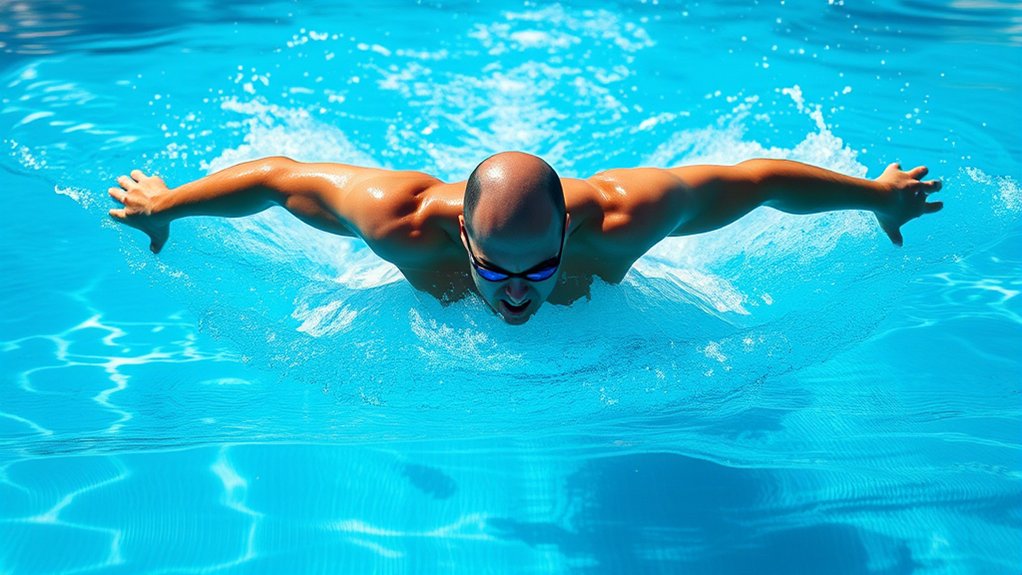
When you swim, your body burns a considerable number of calories, making it a powerful tool for weight loss. For example, swimming freestyle at a slow pace can burn about 255 calories in 30 minutes for someone weighing 154 pounds.
Increase your speed or try strokes like butterfly, and your calorie burn skyrockets. You can burn up to 372 calories during vigorous swimming.
This makes swimming an efficient exercise for shedding pounds. Beyond immediate calorie burn, regular swimming boosts your metabolism, helping your body maintain a healthy weight.
Swimming just three times a week for 20-30 minutes can considerably enhance your overall calorie expenditure.
By incorporating swimming into your fitness routine, you’ll harness both calorie burn and metabolism benefits. It’s a great way to support your weight loss goals effectively.
Swimming Benefits for Mental Health and Stress
When you swim regularly, you’ll start to notice your mind feeling sharper and clearer, which makes it easier to stay focused. It’s like a natural boost for your brain.
On top of that, swimming acts as a great way to ease anxiety and depression. The soothing feeling of the water, along with the steady rhythm of your strokes, really helps calm your nerves.
Plus, there’s something about being in the water combined with the exercise that makes swimming an awesome stress-buster you can always count on.
Cognitive Function Improvement
Although many forms of exercise boost brain health, swimming stands out by quickly enhancing cognitive function and mental clarity. When you engage in regular swimming exercise, the water immersion increases your brain blood flow more effectively than land workouts, sharpening your focus and memory.
Studies show that just seven days of swim training can improve memory performance, while a 20-minute swim boosts reaction times and brain function immediately. This makes swimming a powerful tool to maintain cognitive health as you age.
Beyond physical benefits, swimming supports your mental health by reducing symptoms linked to anxiety and depression.
Anxiety And Depression Relief
Because swimming triggers the release of endorphins, it acts as a natural therapy that helps ease anxiety and depression. When you swim regularly, this form of exercise boosts your mental health by enhancing mood and promoting relaxation.
Even light swimming sessions can greatly reduce symptoms of anxiety, making it an accessible and effective option. The rhythmic strokes create a meditative effect, helping you focus and gain mental clarity while providing a break from daily worries.
Stress Reduction Techniques
Swimming not only lifts your mood but also offers practical techniques to reduce stress effectively. Incorporating swimming into your exercise program can enhance mental health by lowering anxiety and promoting mental clarity. The meditative rhythm of swimming helps you escape daily stressors, fostering emotional resilience.
Regular sessions, just 20-30 minutes, three times a week, maximize the benefits of swimming for stress reduction and cognitive sharpness. It’s a simple routine that really makes a difference.
| Technique | Frequency | Key Benefit |
|---|---|---|
| Steady-paced laps | 3 times/week | Reduces anxiety and tension |
| Breath control | Each session | Enhances relaxation response |
| Mindful swimming | During workouts | Promotes mental clarity |
Who Benefits Most From Swimming Workouts
If you’re looking for a low-impact yet effective workout, certain groups stand to gain the most from swimming. The health benefits are especially pronounced for older adults, as swimming enhances cardiovascular fitness and helps maintain mobility without stressing joints.
People with joint issues, like arthritis, find relief in the buoyancy of water, which reduces pain and impact.
Pregnant women can safely enjoy swimming to ease discomfort and lower the risk of gestational diabetes.
Plus, if you’re dealing with mental health concerns, swimming offers a powerful way to reduce anxiety and depression through rhythmic, full-body movement.
Whether you fit into these categories or simply want a versatile exercise, swimming delivers an extensive workout that supports both physical and mental well-being.
How to Start Swimming Safely and Build Endurance
Getting started with a new exercise routine can feel overwhelming, but taking it step by step will help you build stamina and confidence in the water. Begin with swimming lessons to learn proper safety measures and techniques.
Focus on basic strokes like freestyle and gradually increase your swimming duration to 20-30 minutes, three times a week to build endurance. Remember, water provides natural resistance that enhances your workout while being gentle on joints.
Use flotation devices if needed, stay hydrated, and always swim where lifeguards are present. This approach guarantees exercise improves your fitness safely and effectively.
| Step | Tip |
|---|---|
| Start | Take swimming lessons |
| Progress | Increase duration gradually |
| Safety & Support | Use flotation devices, hydrate |
Swimming Skills and Resources to Help You Improve
While improving your skills takes time and effort, using the right resources can speed up your progress in the water. Enrolling in swimming lessons with qualified instructors helps you develop proper techniques and build confidence safely.
Improving your swimming skills requires effort, but the right guidance accelerates your progress and builds confidence.
You can also check out online resources with video tutorials and tips to improve your stroke mechanics and breathing at your own pace. Community pools often offer classes tailored to your skill level, making it easy to get guided practice close to home.
Try incorporating practice drills like kicking or pull buoy exercises regularly. These drills boost efficiency and strengthen different muscle groups.
Also, keep track of your progress by monitoring your swimming times and distances. This will keep you motivated and help you set achievable goals.
Frequently Asked Questions
Can Swimming Improve Blood Vessel Elasticity?
Yes, swimming can improve blood vessel elasticity, boosting your cardiovascular health considerably.
When you swim regularly, you enhance lung capacity and promote muscle recovery, which supports overall circulation.
This exercise also helps with weight management and offers stress relief, making it a thorough workout.
Does Swimming Reduce Artery Stiffness?
Yes, swimming melts away artery stiffness like morning sun softens the frost. When you plunge in, you boost cardiovascular health, enhance muscle endurance, and sharpen respiratory function.
This rhythmic motion reduces stress, helping your heart stay flexible and strong.
Plus, it supports weight management, keeping your vessels clear and elastic.
Swim regularly, and you’ll feel your arteries flow with renewed life, promoting long-lasting vigor and resilience.
How Does Water Immersion Affect Brain Blood Flow?
Water immersion boosts your brain blood flow by using water buoyancy to reduce physical stress, allowing better neural activation. This process enhances cognitive function and promotes mood enhancement by lowering stress levels.
When you swim or stay immersed, the gentle pressure and body support increase circulation to your brain, improving memory and mental clarity.
Can Swimming Enhance Memory and Reaction Times?
Swimming can boost your memory retention and reaction speed like a lightning bolt zapping your brain awake.
By regularly swimming, you enhance cognitive function and brain health, leading to sharper mental clarity. The unique effects of water immersion stimulate your motor cortex more than land exercises, improving both memory and quick thinking.
Is Swimming Suitable for People With Joint Problems?
Yes, swimming is perfect for you if you struggle with joint pain. It offers low impact workouts that reduce stress on your joints while providing excellent exercise alternatives.
Water therapy in swimming supports gentle movement, easing stiffness and boosting mobility.
Plus, it has great rehabilitation benefits, helping you build strength without strain.
Incorporating swimming into your routine can keep you active and pain-free. It really is an ideal choice for joint health.
Conclusion
You might not expect that just by swimming, you’re boosting your heart, easing joint pain, and melting away stress, all at once. It’s a rare workout that’s both tough and gentle. Perfect for anyone wanting full-body fitness without strain.
So, why not plunge in? With each stroke, you’re not just exercising; you’re investing in your health, happiness, and endurance. Start today, and watch how swimming transforms you inside and out.