Can You Swim With An Ear Infection – Risks Explained
You shouldn’t swim with an ear infection, especially swimmer’s ear. Water exposure can make the infection worse, increase pain, and slow down healing.
Swimming with a middle ear infection might be okay if you can keep your ears dry. But if you notice symptoms like drainage or have a fever, it’s best to be extra cautious.
Keeping your ears dry and avoiding swimming during active infections helps prevent complications. Knowing these risks and taking the right precautions can really help your recovery and protect your ear health.
Causes of Ear Infections and Swimming’s Impact
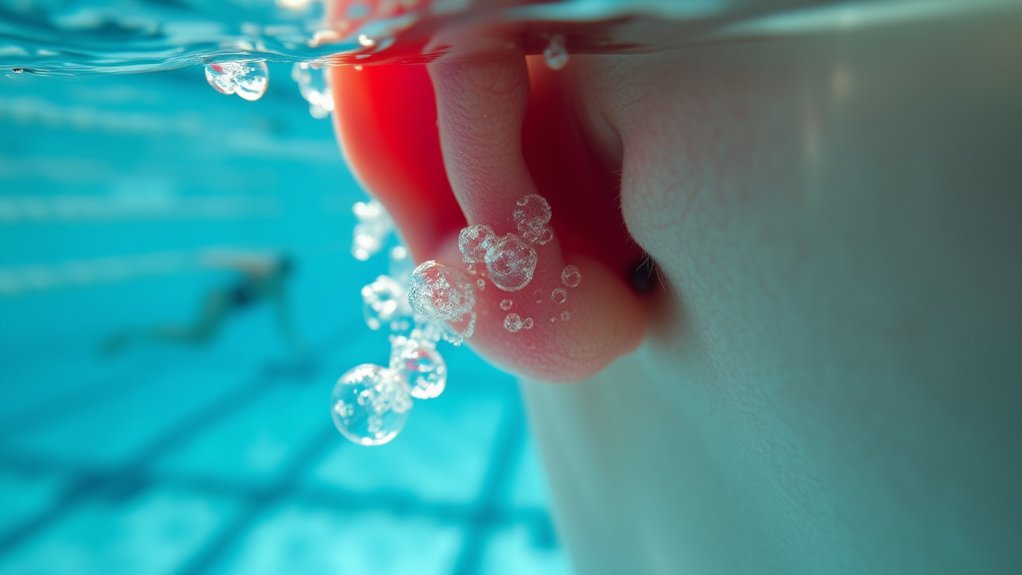
Although ear infections can arise from different causes, swimming plays a distinct role in their development and management.
Swimmer’s ear, or otitis externa, results from trapped moisture in the ear canal, promoting bacterial growth. Middle ear infections, or acute otitis media, involve inflammation behind the eardrum and are less directly linked to water exposure.
Swimmer’s ear stems from trapped moisture, while middle ear infections involve deeper inflammation less tied to water exposure.
To prevent swimmer’s ear, you need to take water precautions, such as keeping your ears dry and avoiding contaminated water sources. If you have swimmer’s ear, avoid swimming until symptoms resolve, as water exposure can worsen the infection.
With middle ear infections, swimming is generally permissible, but you should keep the ear dry to avoid symptom exacerbation.
Understanding these distinctions helps you manage ear infections effectively while minimizing risks.
How Outer and Middle Ear Infections Differ
When you experience ear pain, it’s important to tell the difference between an outer ear infection, known as swimmer’s ear, and a middle ear infection, called acute otitis media. Swimmer’s ear affects the outer ear canal. It’s often caused by water getting trapped inside, which leads to itching and discharge.
On the other hand, a middle ear infection happens behind the eardrum. It’s usually connected to respiratory infections and often comes with fever and fluid drainage. One way to tell them apart is that tugging on the outer ear causes pain if you have swimmer’s ear, but it doesn’t hurt if the middle ear is infected.
| Feature | Outer Ear Infection (Swimmer’s Ear) | Middle Ear Infection (Acute Otitis Media) |
|---|---|---|
| Location | Outer ear canal | Behind eardrum |
| Common cause | Water retention and bacteria | Upper respiratory infections |
| Symptoms | Itching, discharge | Fever, fluid drainage |
| Pain on ear tugging | Yes | No |
| Age group affected | Mostly children | All ages, especially young children |
Risks of Swimming With Swimmer’s Ear Infection
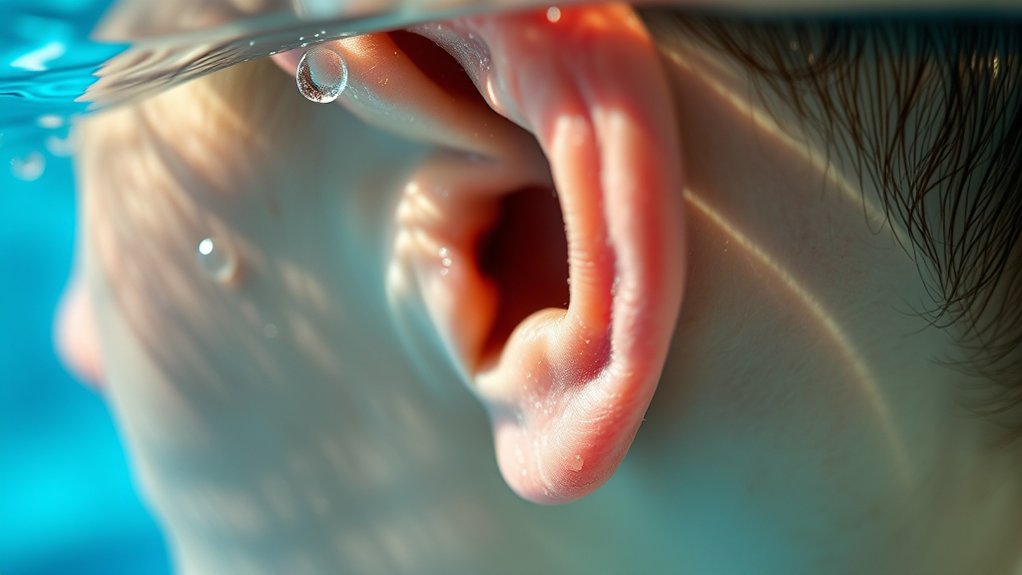
Swimming when you have swimmer’s ear can actually make things worse. The extra moisture from the water encourages bacteria to grow in your ear canal, which only prolongs the infection.
This means it will take longer for you to heal, and you might experience more pain or even temporary hearing loss.
So, to keep your recovery on track, it’s best to avoid swimming until at least 72 hours after all your symptoms have completely disappeared.
Taking this break helps protect your ears and prevents any complications.
Increased Infection Severity
If you continue to swim with swimmer’s ear, you risk worsening the infection and increasing pain. Water entering the inflamed ear canal introduces more bacteria, which makes the infection worse. This can cause severe pain that might even radiate to your face or neck.
That can make your symptoms feel much stronger and could increase the chance of hearing loss. If you keep swimming while the infection is active, you might also face chronic complications down the line.
| Symptom | Cause | Result |
|---|---|---|
| Increased pain | Bacterial exposure | Severe discomfort |
| Infection spread | Water immersion | Inflamed ear canal |
| Hearing loss | Untreated infection | Temporary hearing loss |
It’s best to avoid water activities until your symptoms completely go away. That way, you won’t make the infection worse.
Prolonged Healing Time
Although you might feel enthusiastic to return to the water, continuing to swim with a swimmer’s ear infection considerably prolongs the healing process.
Swimming exposes your ear canal to moisture, creating a moist environment that fosters bacterial growth and hinders recovery.
This persistent moisture can make symptoms like pain and discharge worse, which only delays healing. Plus, water exposure can interfere with the effectiveness of prescribed ear drops, reducing their ability to fight the infection.
By swimming while infected, you increase the risk of prolonging healing time and extending discomfort.
To make sure you recover well, avoid swimming until at least 72 hours after your symptoms have cleared. This gives the ear drops time to work properly and lets your ear heal without extra moisture getting in the way.
Risk of Complications
When you continue water exposure while dealing with swimmer’s ear, you considerably increase the risk of worsening symptoms such as pain, swelling, and bacterial overgrowth in the ear canal. Swimming in water traps high bacteria levels, which can aggravate the ear infection. This might lead to complications like prolonged healing, temporary hearing loss, or even a chronic infection.
So, avoiding swimming until you’re fully healed is really important to prevent these risks.
| Risk Factor | Description | Potential Outcome |
|---|---|---|
| Water Exposure | Prolongs infection duration | Delayed healing |
| High Bacteria in Water | Increases bacterial overgrowth | Severe inflammation |
| Untreated Infection | Infection spreads beyond ear canal | Chronic condition, hearing loss |
Taking precautions helps minimize complications linked to swimmer’s ear when you’re in the water. It’s always better to be safe and give your ear the time it needs to heal properly.
Can You Swim Safely With a Middle Ear Infection?
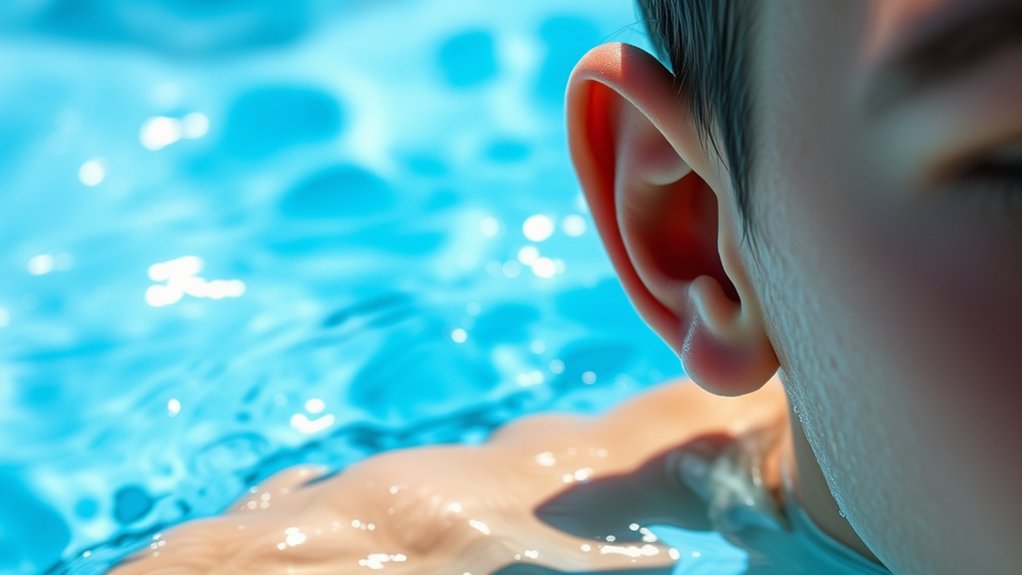
If you have a middle ear infection, you can usually swim safely as long as you keep your ear dry and avoid contaminated water.
It’s important to watch out for symptoms like ear drainage or fever.
If these symptoms stick around for more than 24 hours, it’s a good idea to check in with a pediatrician.
Also, knowing the difference between a middle ear infection and swimmer’s ear can really help you follow the right treatment and keep an eye on how things are going.
Middle Ear Infection Symptoms
Middle ear infections, medically known as acute otitis media, present specific symptoms such as fever, fluid drainage from the ear, and headache.
But they typically don’t cause pain when you tug on the outer ear.
These middle ear otitis infection symptoms often last more than 24 hours. That’s a sign you should get a medical evaluation if they worsen.
Unlike swimmer’s ear, middle ear infections don’t usually cause outer ear pain, which helps tell them apart.
Children are more prone to these infections because they’ve shorter eustachian tubes. This increases the risk of fluid build-up.
You should watch for severe symptoms like high fever or intense pain closely since they might need immediate medical care.
Recognizing these symptoms helps you manage your middle ear otitis infection safely. It also helps you avoid complications down the road.
Swimming Safety Guidelines
Although water in the ear canal doesn’t directly cause middle ear infections, you should keep your ears as dry as possible while swimming to prevent worsening symptoms or additional infections.
Follow swimming safety guidelines by avoiding swimming in contaminated water or places that could aggravate your condition.
Use earplugs or a swim cap to minimize water in the ear and protect dry ears. If you experience increased ear pain, fever, or drainage during or after swimming, stop swimming immediately and seek medical advice.
Persistent symptoms beyond 24 hours warrant consultation with a healthcare provider.
It’s really important to keep an eye on your condition to make sure swimming doesn’t make your middle ear infection worse or cause complications.
These precautions help you swim safely while managing your ear health.
Treatment and Monitoring
Managing a middle ear infection means careful treatment and keeping an eye on symptoms to make sure swimming stays safe. You should keep your ears dry and skip swimming if you have severe symptoms like pain or drainage.
Most ear infections clear up within a few days. Swimming is usually safe once your symptoms get better and your ears stay dry. Also, avoid swimming in contaminated water to prevent any complications.
Keep a close watch on how you’re feeling. If the pain gets worse or sticks around for more than 24 hours, it’s best to see a doctor right away.
| Symptom Monitoring | Treatment Approach | Swimming Guidelines |
|---|---|---|
| Persistent pain >24 hrs | Consult pediatrician | Avoid swimming if severe |
| No drainage | Usually self-resolving | Gentle swimming after 3 days |
| Fever or discomfort | Possible antibiotic course | Keep ears dry at all times |
How Swimming Can Slow Ear Infection Recovery
When you swim with an ear infection, water can introduce extra moisture that makes inflammation worse and slows down healing.
Swimming means your ear is exposed to water more often, which can irritate the ear canal even more. This can drag out symptoms like pain and discomfort.
If you have swimmer’s ear (otitis externa), swimming while infected usually makes things worse and stretches out the recovery time.
Even with middle ear infections, swimming might be less risky, but water getting into the ear canal can still mess with healing and slow things down.
That extra moisture creates a perfect spot for bacteria to grow, making the infection worse.
When to Avoid Swimming With an Ear Infection
Since water exposure can worsen ear infections, you should avoid swimming whenever you experience symptoms like severe pain, ear drainage, fever, or significant discomfort.
If you have swimmer’s ear (otitis externa), it’s essential to refrain from swimming until symptoms fully resolve and at least 72 hours have passed.
Swimming with an active infection can prolong healing and make symptoms worse, especially when moisture gets into the ear canal.
For middle ear infections, swimming might be okay, but you need to keep your ears dry to prevent complications. This is especially important if the eardrum is ruptured or there’s drainage.
It’s best to avoid swimming to reduce irritation and stop the infection from getting worse.
Always check with a healthcare professional before you start swimming again to make sure you’re healing safely.
Prevention Tips to Protect Your Ears While Swimming
Although swimming offers great exercise and enjoyment, protecting your ears from moisture and bacteria is really important to prevent infections. To minimize the risk of ear infections, always dry your ears thoroughly after swimming to avoid moisture retention.
Using waterproof earplugs designed for swimming is a smart move, especially if you’re prone to infections. Applying prevention drops made of equal parts vinegar and rubbing alcohol helps dry the ear canal and reduce bacteria.
Also, try to avoid swimming in contaminated water. Managing allergies or sinus issues is helpful too, since congestion can make ear health worse.
| Tip | Action | Benefit |
|---|---|---|
| Dry ears | Tilt head, towel dry | Prevents moisture retention |
| Waterproof earplugs | Wear during swimming | Blocks water entry |
| Prevention drops | Apply post-swim | Dries ear canal, reduces bacteria |
| Avoid contaminated water | Swim only in clean pools | Lowers infection risk |
| Manage allergies | Treat congestion | Maintains ear ventilation |
When to See a Doctor Before Resuming Swimming
Protecting your ears from infection during swimming is important, but knowing when to consult a doctor before getting back in the water is just as important.
You should see a medical professional if you have an ear infection with symptoms that might get worse with swimming.
Consult a doctor right away if you have severe ear pain, fever, or drainage from the ear.
Also, if your symptoms last more than 2 to 3 days, it’s a good idea to get checked out.
If you experience dizziness, balance problems, or hearing loss related to the infection, don’t wait—seek medical advice.
A healthcare provider will figure out if you have swimmer’s ear or a middle ear infection because each needs different care before you can swim again.
Always put professional advice first to avoid complications and make sure you’re swimming safely after an ear infection.
Frequently Asked Questions
Can Ear Infection Medications Affect Swimming Safety?
Yes, medication side effects can influence swimming safety when you have an ear infection.
Some medications may reduce infection symptoms, allowing you to swim with caution. But you should avoid techniques that increase ear pressure.
Keep in mind that swimming too soon might prolong recovery time or worsen symptoms.
Always follow your healthcare provider’s advice to guarantee safe swimming practices while managing your ear infection.
Are Ear Plugs Effective in Preventing Infection Spread?
Ear plugs effectiveness in infection prevention strategies is significant when you want to minimize water exposure risks.
Using custom-fitted ear plugs creates a secure barrier, reducing moisture retention and bacterial entry in your ear canal.
For swimming safety tips, always verify your ear plugs are clean and dry before use.
Remember, ear plugs complement ear health precautions but don’t replace proper ear hygiene like thorough drying after swimming.
That step is essential to prevent infections.
Does Saltwater Pose More Risk Than Freshwater for Ear Infections?
Saltwater doesn’t always pose more risk than freshwater for ear infections; the truth is nuanced.
Saltwater can dry out the ear canal, which might worsen infection severity by creating cracks where bacteria can enter. But that doesn’t mean freshwater is always safer.
Freshwater, especially warm and stagnant water, tends to have higher bacterial growth, which can actually increase infection risks.
So, it really depends on the environment and water conditions.
To help your ears heal, you should take swimming precautions no matter what type of water you’re in.
Avoid swimming until you’re fully healed, and always dry your ears thoroughly after swimming to keep them healthy.
Can Swimming Lessons Be Resumed After Ear Infection?
You can resume swimming lessons after an ear infection once you complete a thorough swimming readiness assessment.
Make sure to follow the infection recovery timeline and check that symptoms like pain or drainage have cleared up.
It’s important to keep an eye on any symptoms to catch a recurrence early.
Stick to aquatic activity guidelines and avoid swimming if you still have any symptoms.
Always check with your doctor before jumping back in, especially if the infection was severe or had complications.
Their advice will help confirm it’s safe to start swimming again.
Is It Safe to Use Ear Drops While Swimming?
Don’t plunge into using ear drops while swimming without caution. Certain ear drop types, like alcohol or vinegar-based, can help dry your ears but may irritate infection symptoms if misused.
Swimming precautions demand you avoid trapping water that worsens infections.
It’s really important to prioritize ear care by consulting a healthcare provider before combining swimming techniques with ear drop use.
This way, you protect your ears, keep your treatment effective, and avoid any complications. Better safe than sorry, right?
Conclusion
You might think swimming with an ear infection is harmless, but it can actually make things worse or slow down your healing. Outer ear infections, like swimmer’s ear, are especially sensitive to water, which can increase pain and lead to more problems.
Middle ear infections aren’t as directly affected by water, but swimming can still get in the way of recovery. So, to keep your ears safe and help them heal faster, it’s best to avoid swimming until your infection is gone.
And definitely check with your doctor before jumping back into the water. Taking care of your ears now will save you trouble later—it’s really worth the wait.