Can You Swim With Koi Fish – What To Expect And Risks
Swimming with koi fish can notably affect their health and the water quality of their habitat. Disturbing sediment clouds the water, disrupts natural filtration, and introduces harmful contaminants.
Fluctuating temperatures increase stress for koi, while pathogens introduced from swimming can weaken their immune systems. Furthermore, homeowners face liability risks due to unpredictable water conditions and lack of safety features.
If you’re considering this experience, there are important precautions and alternatives you’ll want to explore further.
Understanding Risks to Koi Fish When Swimming
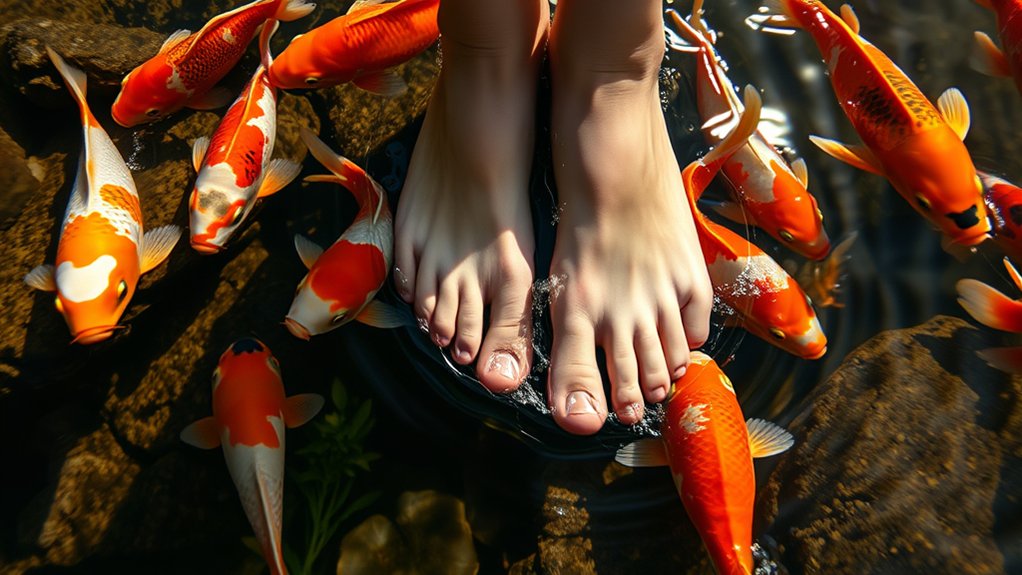
While swimming in koi ponds might seem like an enjoyable activity, it poses significant risks to the health and well-being of the koi fish. Disturbing the sediment can cloud the water and disrupt the pond’s natural filtration system, stressing the koi and degrading water quality.
Your skin can introduce contaminants like lotions and sweat, altering water chemistry and harming koi health. Additionally, swimming can cause temperature fluctuations, particularly in warm weather, stressing the fish.
Skin contaminants and temperature fluctuations from swimming can disrupt water chemistry and stress koi fish.
Activities in the pond can also introduce pathogens, weakening koi immune systems and increasing disease susceptibility. Increased agitation leads to uncomfortable behavioral changes in koi, such as abnormal swimming patterns, further compromising their overall well-being and stress levels.
Therefore, swimming among koi isn’t just risky, it’s detrimental.
Essential Safety Precautions for Swimmers in Koi Ponds
When swimming in koi ponds, it’s really important to check how deep the water is and watch out for any unusual spots that might be dangerous. You don’t want to get caught off guard by something unexpected that could increase the risk of drowning.
Also, try to avoid getting lotions or sweat into the water. These things can upset the delicate balance of the pond and harm the koi fish.
And don’t forget to keep an eye out for hazards like sharp objects or slippery areas. Staying aware of these can help make your swimming experience much safer and more enjoyable.
Assess Pond Depth Carefully
Evaluating the depth of a koi pond is crucial, as irregular depths can create significant drowning hazards, particularly for inexperienced swimmers or children. A minimum depth of 3 to 5 feet is advisable to guarantee the health of koi and swimmer safety. This depth minimizes the risk of accidents, allowing swimmers to feel more comfortable in the pond water.
Furthermore, you must inspect the area for submerged rocks or equipment that could result in injuries.
Avoid Contaminating Water Quality
Maintaining water quality in a koi pond is crucial for the health of both the fish and anyone swimming in it. To protect this delicate balance, follow these critical precautions:
Rinse off thoroughly before entering the pond to eliminate lotions, sunscreens, and sweat that can disrupt water quality. Enter the water slowly to minimize sediment disturbance, preventing cloudiness and stress for the koi.
Avoid swallowing pond water, as it may contain harmful bacteria and parasites that can threaten your health.
Regular monitoring of water quality is important since human contaminants can alter water chemistry, compromising the wellbeing of the koi.
Monitor Potential Hazards Diligently
While swimming in koi ponds offers a unique experience, it’s essential to monitor potential hazards diligently to guarantee safety for both you and the fish. The irregular depths of koi ponds can obscure dangerous drop-offs, posing drowning risks, especially for inexperienced swimmers.
Disturbing sediment when swimming may release harmful bacteria and pathogens, endangering both human health and koi wellbeing. Always check for sharp objects and slippery surfaces that could lead to injuries.
Contaminants from personal products can alter water quality dramatically; consequently, you should thoroughly rinse before entering the pond.
Regularly evaluating water conditions and observing swimmer behavior helps minimize risks, ensuring a safe environment for both swimmers and the koi fish you encounter.
How Swimming Impacts the Water Quality in Koi Ponds
Swimming in koi ponds may seem like a delightful way to engage with these majestic fish, but this activity considerably impacts water quality.
When you swim, you stir up sediment, which can cloud the water and increase harmful contaminants.
Moreover, human contaminants such as lotions and sweat can alter the chemical balance, threatening koi health.
Here are some specific ways swimming affects water quality:
- Stirs up sediments, disrupting natural filtration processes.
- Introduces bacteria and pathogens that stress koi.
- Necessitates more frequent maintenance, such as water testing and filtration.
Maintaining good water quality is essential for your koi’s wellbeing, so consider these factors carefully before taking a dip in their habitat.
Liability Risks for Homeowners With Koi Ponds
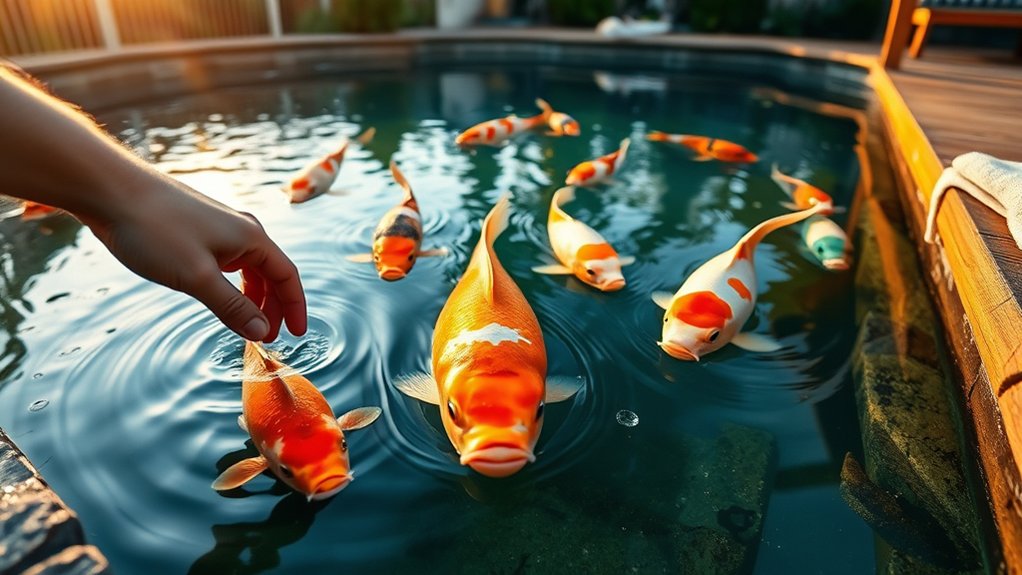
Koi pond ownership invites both aesthetic enjoyment and significant responsibility, especially regarding liability risks for accidents that may occur if individuals swim in these natural habitats.
Unlike regulated swimming pools, koi ponds often lack essential safety features, which heightens your exposure to legal consequences if an incident occurs.
The unpredictable water conditions, coupled with submerged rocks and slippery surfaces, increase the risk of injuries or drownings.
Furthermore, the absence of lifeguards and emergency equipment in your private pond further amplifies these liability risks.
In order to safeguard against potential claims related to swimming in your koi pond, it’s vital to contemplate obtaining liability insurance.
This step can effectively mitigate the financial risks associated with any accidents that may take place in your beloved aquatic landscape.
Swimming Maintenance Challenges
As you introduce swimmers to your koi pond, you’ll quickly realize that maintaining ideal water quality becomes a more complex task. The swimming maintenance challenges are vital to understand for both koi and humans’ health. Increased human activity stirs up sediment, leading to cloudiness and disrupting natural filtration.
Here’s a look at what you might face:
- Contaminants: Lotions and sweat can introduce harmful substances that affect water quality.
- Stress on Koi: Swimming can disturb koi, necessitating extra care to monitor their health.
- Maintenance Demands: Regular cleanings and repairs become necessary to restore clarity to your pond.
Ignoring these factors could lead to health issues for koi, and in severe cases, even death. Make sure your pond remains safe to swim in while caring for your aquatic friends.
Safe Alternatives to Swimming With Koi Fish
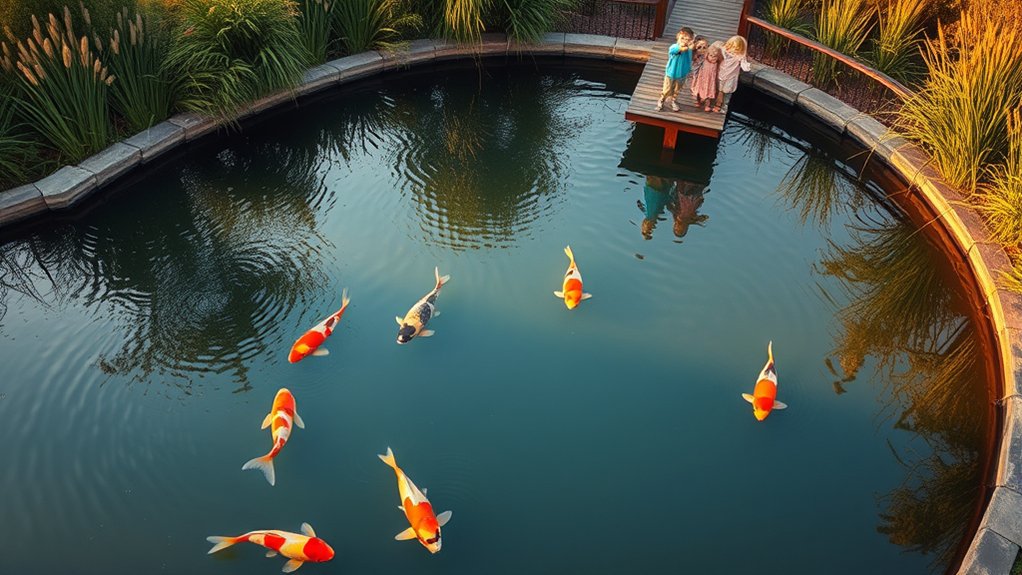
While the allure of swimming with koi fish can be tempting, considering safe alternatives is essential for both human enjoyment and fish health. Above-ground pools provide a structured swimming environment, eliminating risks associated with varying pond depths and contaminants.
Furthermore, natural filtration systems maintain water quality without relying on fish, providing a clean space that supports ecological harmony. Incorporating aquatic plants can enhance aesthetics while promoting biodiversity, offering beauty without the complications of fish presence.
In addition, wildlife-friendly designs can attract beneficial insects and birds, creating eco-friendly swim spaces. Other aquatic organisms, such as snails, serve as natural cleaning agents, maintaining pond health without the risks associated with swimming in koi ponds.
Opting for these alternatives guarantees safety and enjoyment.
Best Practices for Safe Swimming Near Koi Fish
To guarantee a safe swimming experience near koi fish, it’s essential to follow best practices that protect both swimmers and the aquatic ecosystem. Proper measures not only keep you safe but also help maintain the health of your pond.
Consider these guidelines:
Rinse thoroughly to remove lotions and sunscreens. This prevents contaminants from harming koi health.
Limit swimming during peak temperatures to avoid stressing koi and disrupting their environment.
Enter the water slowly to minimize sediment disturbance. This is important for maintaining water clarity.
Also, regularly test water quality for ammonia, nitrite, and pH levels.
Try to avoid swallowing pond water to reduce health risks for both humans and koi.
Conclusion: Enjoying Koi Ponds Responsibly
To truly enjoy koi ponds responsibly, it’s important to keep both your safety and the health of the fish in mind.
Swimming safely helps prevent any disruptions to the aquatic ecosystem and keeps the water quality intact.
Plus, by exploring other swimming options designed specifically for that purpose, you can help protect the delicate balance within the pond.
It’s all about finding ways to enjoy the beauty of koi ponds without causing harm.
Safe Swimming Practices
Engaging with koi ponds requires an awareness of both the aquatic environment and the well-being of the fish. To guarantee a safe swimming experience, it’s essential to respect the water ecosystem.
Here are some practices to keep in mind:
Rinse off any lotions or oils before entering to avoid water contamination.
Limit your swim during peak heat hours to prevent temperature fluctuations that can stress the koi.
Enter the pond slowly to minimize sediment disturbance, which can cloud the water.
Also, routinely monitor water quality to maintain ideal conditions for the koi.
Koi Health Considerations
Koi fish are sensitive creatures, thriving in stable environments that are crucial for their health. Swimming in koi ponds disrupts this delicate balance, introducing contaminants from your skin, like oils and lotions, which can harm water quality.
Increased human activity also raises stress levels in koi, making them more susceptible to diseases. Fluctuating water temperatures caused by human contact further exacerbate their stress and trigger health issues.
Regular monitoring of water quality is essential to maintain koi health; poor conditions can compromise their immune systems and lead to outbreaks.
To enjoy koi ponds responsibly, it’s best to refrain from swimming in them and appreciate their beauty from the pond’s edge, guaranteeing a safe and healthy habitat for these remarkable fish.
Maintaining Water Quality
Maintaining ideal water quality in koi ponds isn’t just about preventing contamination from human contact. It’s a multifaceted process that involves diligent monitoring and management of various aquatic parameters.
You must guarantee that water filtration systems are effective, as contaminants from swimming like lotions and sweat can disrupt the ecosystem.
To achieve the best water quality, focus on regular testing for ammonia, nitrite, and pH levels.
Also, thoroughly rinse off before entering to minimize harmful substances.
And keep an eye on pond temperature to avoid stressing koi.
Frequently Asked Questions
Can Koi Fish Harm Swimmers During Interaction?
Koi fish generally won’t harm you during behavioral interaction, as they’re non-aggressive. However, your presence can stress them out, leading to skittish behavior.
This interaction can disrupt their normal activities and may even affect the pond ecosystem.
Additionally, stirring up sediment while swimming can degrade water quality and introduce contaminants like lotions, stressing the koi further.
What Should I Wear When Swimming With Koi Fish?
When you’re swimming with koi fish, choose swimwear made from natural fibers.
Picture a colorful underwater dance, but keep the water pristine. Wear a rash guard for skin protection against irritants and sunshine.
Avoid lotions or sunscreens that could contaminate their home.
Slip on water shoes with non-slip soles to navigate potential rocks beneath your feet safely.
Remember to have a towel and change of clothes ready for after your invigorating, exhilarating experience.
How Do I Calm Koi Fish Before Swimming?
To calm koi fish before swimming, use behavioral techniques like entering the water slowly to reduce stress.
Gentle movements help avoid turbulence that could startle them.
Consider feeding the koi right before you swim; their focus on food can distract them from your presence.
Furthermore, swim during stable temperatures and make sure the area is clear of hazards to create a safe environment.
This fosters a more tranquil experience for both you and the fish.
Are There Specific Koi Breeds Safer for Swimming?
There aren’t any specific koi breeds that are safer for swimming, as koi behavior across all breeds can be greatly affected by human interaction.
Regardless of their vibrant appearances, all koi can experience stress when their environment is disturbed. This stress can lead to health issues.
Koi thrive in stable, calm settings, so it’s crucial to prioritize proper pond management and water quality over breed when considering activities near them.
Can Swimming With Koi Fish Affect My Skin?
Yes, swimming with koi fish can affect your skin. You might experience skin reactions like rashes or irritation due to bacteria and parasites present in the water. If the pond water is contaminated or contains pathogens, the risk increases.
Furthermore, lotions and sunscreens can harm both your skin and the koi’s health.
Rinsing off thoroughly before and showering after swimming helps minimize these risks and protects your skin from potential irritants.
Conclusion
To sum up, while swimming with koi fish might seem like an enchanting idea straight out of a fantasy novel, it’s essential to weigh the risks involved. By understanding the potential impact on water quality and adhering to safety precautions, you can appreciate koi ponds in a more responsible way.
Instead of jumping in, consider observing these elegant creatures from the shore. This way, you protect their delicate ecosystem while still enjoying the serenity they offer.