Do Swim Caps Keep Hair Dry – Truth Explained
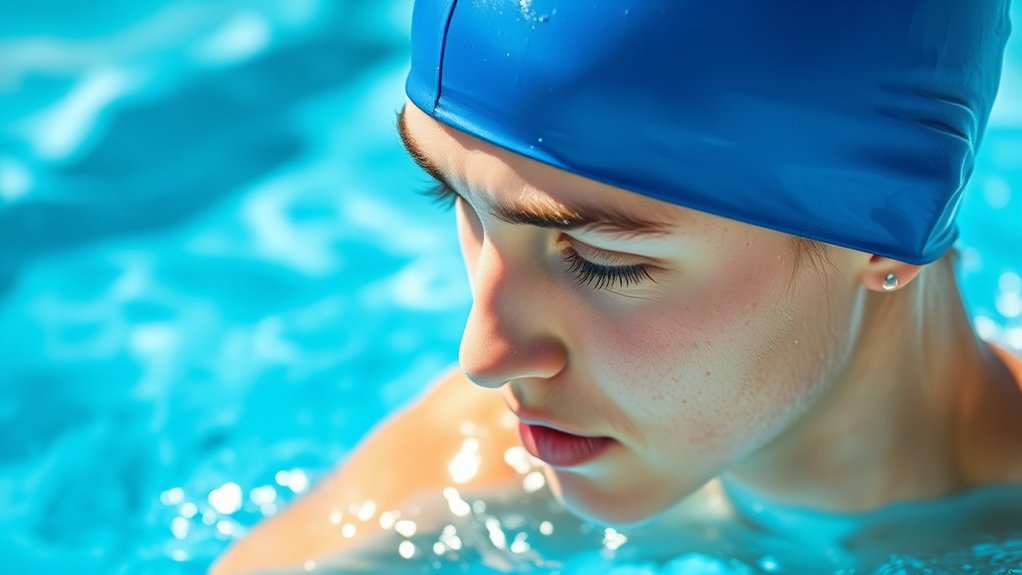
Swim caps won’t keep your hair completely dry because they aren’t watertight. Water seeps in around the edges and through the material. They’re designed to reduce drag and limit chlorine exposure, not to fully waterproof your hair.
Caps help by reducing direct contact with chlorinated water and improving how well pre-swim conditioner works. But for full protection, you need a proper fit and good hair care routines. Understanding these things will help you protect your hair better when you swim.
Why Swim Caps Can’t Keep Your Hair Completely Dry
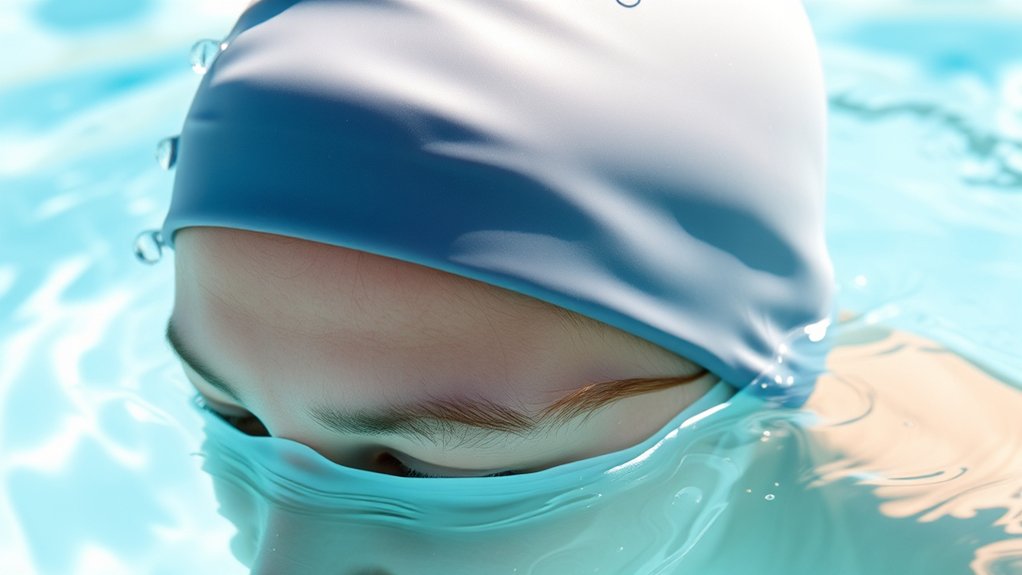
Although swim caps are commonly used to protect hair while swimming, they can’t keep your hair completely dry because they aren’t watertight. Swim caps primarily reduce drag, not provide a perfect seal against water. Water seeps in around the edges since no cap forms an impermeable barrier.
Most swimmers find their hair wet after swimming regardless of the cap type. While some notice slightly drier hair, this often results from hair type or conditioning rather than the cap’s design.
Moreover, swim caps offer partial defense against chlorine and chemicals but don’t eliminate exposure entirely.
Swim Cap Myths You Should Stop Believing
You might think swim caps keep your hair completely dry, but that’s actually a common myth. They aren’t waterproof, so water can seep in through the edges and even the tiny pores in the material.
A lot of manufacturers make their caps sound like they’ll seal out all water, but honestly, that’s just not possible with the usual materials they use. Knowing this can help you have more realistic expectations and remind you to take good care of your hair in other ways—not just relying on the cap.
Caps Do Not Waterproof
Three common misconceptions surround swim caps, but none is more persistent than the belief that they keep your hair completely dry. When you ask, do swim caps keep hair dry, the scientific answer is no.
Swim caps aren’t waterproof; they’re designed primarily to reduce drag and maintain pool hygiene. Most caps, including silicone and latex, allow water to seep through small gaps around your hairline and cap edges.
While some premium caps perform better at minimizing water intrusion, none create a watertight seal. Instead, they help reduce chlorine exposure and hair damage but don’t eliminate water contact.
To protect your hair effectively, rely on a swim cap combined with pre-swim hair treatments rather than expecting the cap alone to keep your hair dry. It’s a better approach and will help keep your hair healthier in the long run.
Common Misconceptions Debunked
When addressing swim cap myths, it’s important to separate fact from fiction to help you make informed decisions about hair care during swimming.
One common misconception is that a swimming cap keeps your hair completely dry. In reality, no swimming cap is watertight; water seeps in due to capillary action, leaving your hair wet post-swim.
Another myth is that swim caps provide total chlorine protection. While they reduce chlorine exposure and water drag, they can’t fully block chemicals. Many manufacturers exaggerate claims of 100% dryness, which isn’t scientifically accurate.
To minimize damage, wet your hair before swimming and apply a leave-in conditioner. This scientifically reduces chlorine absorption better than relying solely on a swimming cap’s limited barrier function.
It’s a simple step that makes a big difference!
How Swim Caps Help Protect Hair From Chlorine
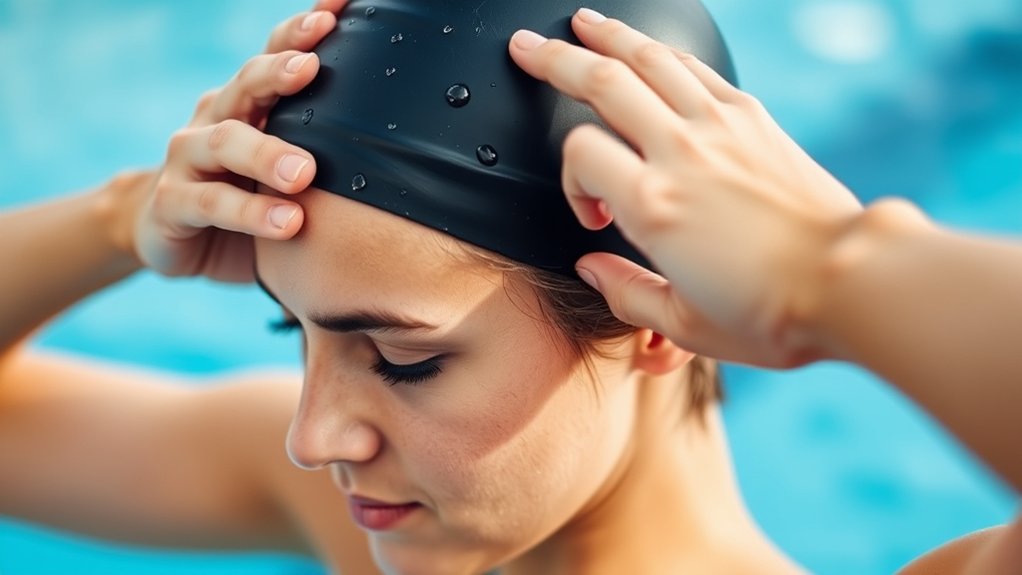
Although swim caps don’t create a completely waterproof barrier, they greatly reduce direct exposure of hair to chlorinated water by limiting contact and water drag. When you wear a swim cap, you protect your hair by minimizing how much chlorinated water reaches the strands.
Here’s how they help:
- Reduce surface area exposure – Caps cover most of your hair, lowering the amount of water that contacts it.
- Limit water turbulence – By streamlining your head, caps decrease water movement around your hair, which lessens chlorine penetration.
- Serve as a partial physical barrier – The material blocks some chlorine molecules from directly touching your hair.
- Enhance the effect of pre-swim conditioners – Caps help keep protective oils and conditioners in place, further shielding your hair.
While swim caps don’t keep hair dry, they play an essential role in helping protect your hair from chlorine damage.
How to Fit Your Swim Cap to Reduce Water Entry
To reduce water entry, start by placing the swim cap over your forehead so it sits securely.
If you have long hair, twist it gently and tuck it evenly inside the cap. This helps keep a tight seal without making any bulky lumps.
Finally, make sure the edges of the cap fit snugly around your head because any gaps can let water sneak in while you’re swimming.
Proper Cap Positioning
Making sure your swim cap fits properly starts by pulling it over your forehead while holding the sides firmly. This creates a snug seal that minimizes water entry. Proper cap positioning is key to effectively keeping your hair dry.
Follow these steps to optimize the fit:
- Position the cap starting at the forehead, then stretch it back smoothly over your head.
- Make certain the edges lay flat against your skin without gaps to prevent water seeping inside.
- Avoid bulky hairstyles like buns or ponytails that disrupt the seal and increase leakage.
- Practice regularly to improve your technique and maintain a consistent, secure fit.
Managing Long Hair
When managing long hair, fitting your swim cap properly takes a bit of prep to keep water out and protect your hair from chlorine.
Start by wetting your hair first. This helps reduce chlorine absorption and makes it easier to put the cap on.
Next, twist your hair into a low bun or braid. Then tuck it evenly under the cap so there aren’t any gaps letting water in.
Hold the cap by its sides and pull it over your forehead first, making sure it covers your hairline and ears snugly.
Adjust the cap to get rid of any loose spots, focusing on a tight seal around the edges.
These steps help create a better barrier and keep your hair drier by minimizing water seepage while you swim.
Proper prep really is the key to keeping your hair healthy when you’re using a swim cap.
Ensuring Snug Fit
Although fitting a swim cap might seem straightforward, achieving a snug seal requires a deliberate technique to minimize water entry. A proper snug fit guarantees the cap adheres closely to your scalp, reducing gaps where water can seep in.
To secure a snug fit, follow these steps:
- Hold the swim cap by its sides and pull it over your forehead first for stable placement.
- If you have long hair, twist and tuck it evenly inside the cap to avoid bulky points disrupting the seal.
- Ascertain the cap fits tightly against your scalp, as this directly limits water infiltration.
- Practice donning the cap regularly and inspect it for wear, since damage can compromise the snug fit and increase leakage.
Mastering these steps enhances your swimming experience by reducing water entry effectively. It might take a bit of practice, but it’s worth it when you stay dry and comfortable in the pool.
Pre-Swim Hair Care Tips for Swim Cap Users
Before you put on your swim cap, wetting your hair with clean water can considerably reduce chlorine absorption and minimize damage. This pre-swim hydration saturates hair cuticles, limiting their ability to absorb chlorinated pool water.
Next, apply a leave-in conditioner to create a protective barrier, further shielding strands from harsh chemicals.
Apply leave-in conditioner to form a protective layer that guards hair from damaging pool chemicals.
Since swim caps aren’t completely watertight, these steps are vital to reduce water exposure and chemical penetration. Avoid entering the pool with dry hair, as it readily absorbs chlorine, increasing potential damage.
By consistently practicing these pre-swim hair care tips, you enhance your hair’s resilience against chlorine’s drying effects, preserving its health throughout your swim sessions.
Proper pre-swim hydration paired with protective products is essential for maintaining strong, hydrated hair.
Post-Swim Hair Care to Protect Hair After Swimming
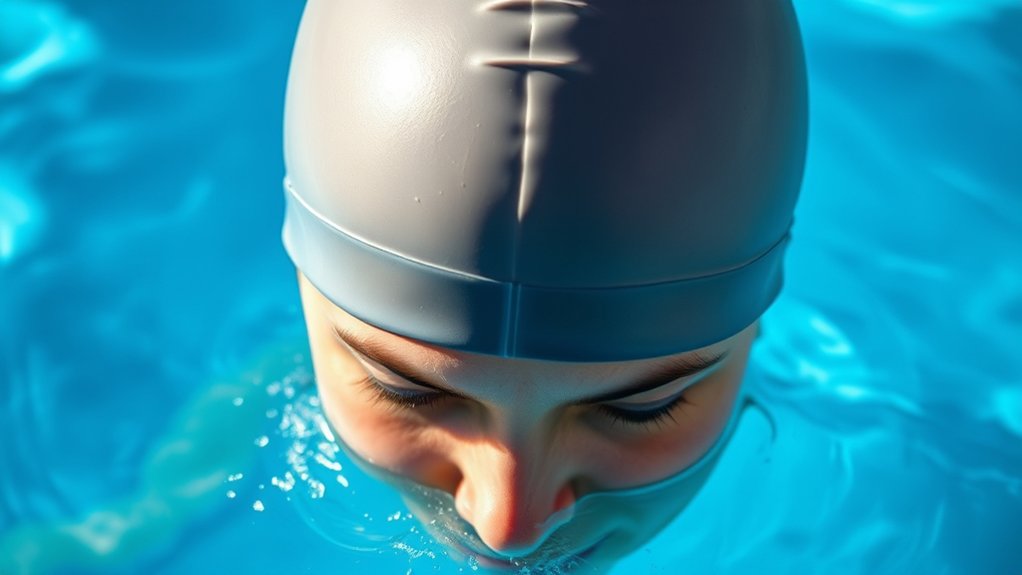
Since chlorine and saltwater strip moisture from your hair during swimming, immediate post-swim care is essential to restore hydration and prevent long-term damage.
Post-swim moisturizing treatments play a vital role in replenishing lost moisture and protecting hair integrity.
Follow these steps for ideal care:
- Rinse your hair thoroughly with clean water immediately after swimming to flush out chlorine and salt residues.
- Use a specialized shampoo or detoxifying treatment, like Swimmers Wellness Remedy, to remove chemical and metal buildup.
- Apply a deep conditioning mask regularly to restore moisture and strengthen hair fibers compromised by pool chemicals.
- Finish with a leave-in conditioner or moisturizing serum to lock in hydration and create a protective barrier against future damage.
Adopting these scientifically backed post-swim moisturizing treatments helps keep your hair healthy and resilient after exposure.
It’s easier than you think to protect your hair and enjoy swimming without worry!
Swim Cap Types and Their Hair Protection Benefits
When you choose a swim cap, understanding the materials and design is essential for optimizing hair protection against chlorine and water exposure.
Silicone swim caps are your best option for durability and hydrodynamics, offering superior resistance to chlorine while allowing minimal water seepage.
Neoprene caps excel in cold water by retaining warmth but aren’t ideal for heated pools, which can potentially affect hair condition.
Bubble swim caps provide extra space, accommodating long hair and partially shielding hairstyles, though they don’t guarantee dryness.
Polyester and Lycra caps prioritize comfort and fit but let water fully saturate your hair, offering the least protection.
Best Swim Caps and Alternatives for Protecting Styled Hair
Although most swim caps don’t keep hair completely dry, selecting the right cap and using protective measures can really help reduce chlorine exposure and keep your styled hair looking great.
To protect your hair effectively, check out these best swim caps and alternatives:
- Silicone caps are durable and hydrodynamic, making them perfect if you swim often.
- Bubble caps are roomy and work well for long or voluminous hair.
- Pre-swim hair care is a good idea too—wet your hair and apply leave-in conditioner to cut down on chlorine absorption.
- AQUA waterproof headwear is a stylish and versatile option that protects your hair from water and humidity, even beyond swimming.
Only one in eight swim caps tested actually kept hair dry, but combining these options and tips can really help you keep your hairstyle intact during water activities.
Frequently Asked Questions
Can Swim Caps Prevent Ear Infections While Swimming?
Swim caps alone can’t guarantee ear protection or prevent ear infections while swimming. They help reduce water exposure, but they don’t create a watertight seal. So, some water still gets into your ears.
For better ear protection, it’s a good idea to use swim caps along with earplugs. This combo helps keep moisture out, which lowers the risk of infection.
And don’t forget to dry your ears thoroughly after swimming. That extra step helps protect against infections caused by trapped water and bacteria.
How Long Do Swim Caps Typically Last With Regular Use?
Think of your swim cap as a shield that battles water daily. Its durability factors determine how long it stands strong. Typically, with regular use, swim caps last between 6 months to 2 years.
Silicone caps offer superior durability and resist wear better than latex or Lycra. To get the most out of your cap, rinse it with cold water after each swim.
Also, try to avoid exposing it to sunlight. If you use chlorinated pools frequently, this speeds up the wear and tear.
Are There Swim Caps Designed Specifically for Children?
Yes, there are swim caps designed specifically for children, focusing on child comfort and fit. These caps use materials like silicone or latex to provide a snug but gentle seal, reducing water drag while accommodating different head sizes and hair types.
Some models feature extra room or bubble designs for longer hair, ensuring comfort without tightness.
Choosing the right size and material helps maintain comfort, encourages consistent use, and supports better swimming performance. It’s all about making swim time easier and more enjoyable for kids.
Can Swim Caps Help Improve Swimming Performance?
You’ll slice through water like a torpedo with swim caps, thanks to their incredible performance benefits. By reducing drag and streamlining your head, they help you swim faster and more efficiently.
Caps keep your hair secured, preventing distractions so you can focus fully on technique.
Plus, they help maintain your body temperature in open water, which can boost your endurance.
In short, swim caps are essential gear for anyone serious about improving swimming performance. Give them a try and feel the difference!
What Materials Are Swim Caps Usually Made From?
Swim caps come in various material variations tailored for specific needs.
You’ll find silicone caps, which are durable and hydrodynamic, ideal for regular swimmers.
Neoprene caps provide insulation for cold water but aren’t suited for heated pools.
Polyester and Lycra offer comfort but less water resistance, letting hair get wet.
Bubble caps accommodate long hair and keep ears warm.
Knowing these material variations helps you choose the right cap for performance and comfort.
Conclusion
While swim caps won’t create an impenetrable barrier against water, they do offer a valuable shield that greatly reduces chlorine’s harsh effects on your hair. By choosing the right cap and fitting it snugly, you give your locks better protection.
Combine that with smart hair care routines before and after swimming, and you can keep your hair healthier and more vibrant. So, think of swim caps as a helpful umbrella, not a fortress, giving your hair a fighting chance in the pool.