How To Drain A Swimming Pool – Easy Step Guide
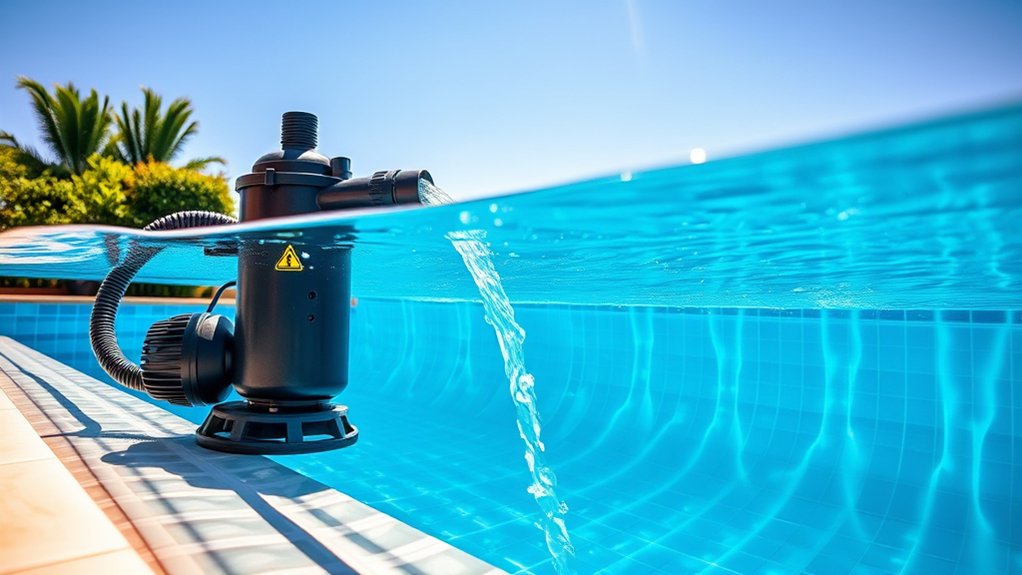
To drain your pool safely, first turn off all equipment and gather a submersible pump with a discharge hose. Drain the water slowly during cooler months, directing it away from your home’s foundation and following local disposal regulations.
Keep an eye on the water levels to avoid soil damage. Then, clean and inspect the pool for wear before refilling it gradually. Make sure to balance the water chemistry as you go.
Proper preparation and disposal help preserve your pool and property. Below, you’ll find detailed steps and tips for every stage.
When Should You Drain Your Pool?
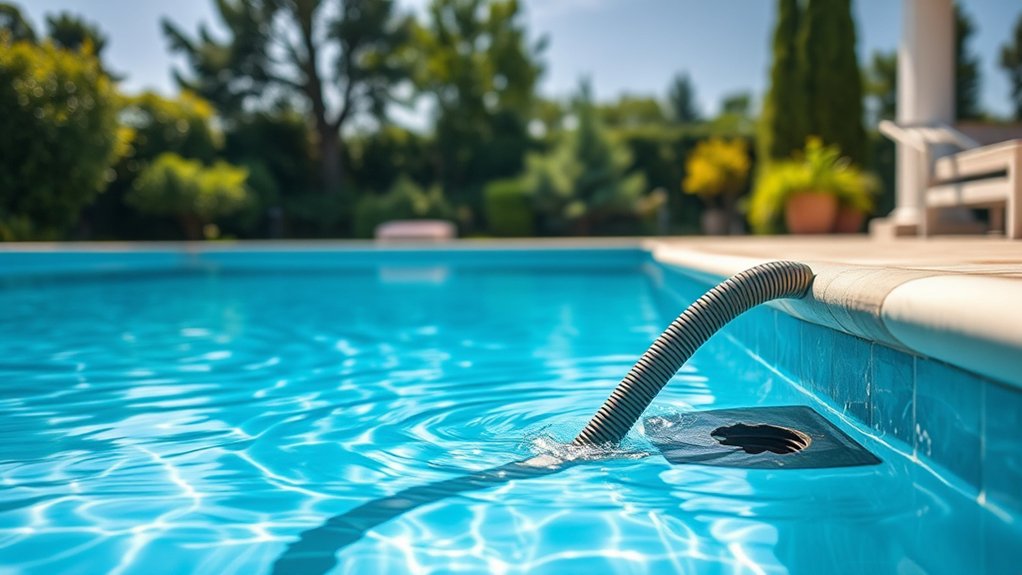
You should drain your pool every three to five years to keep the chemical balance and water quality in check.
You’ll want to drain it when you notice things like persistent cloudiness, algae growth, or high levels of Cyanuric Acid and Total Dissolved Solids.
Drain your pool when you see persistent cloudiness, algae, or elevated Cyanuric Acid and Total Dissolved Solids.
Also, if the Calcium Hardness goes over 800 ppm, draining helps prevent scaling on your pool surfaces and equipment.
It’s best to pick cooler months like spring or fall for draining. This way, you avoid UV damage and structural problems caused by high groundwater.
Always check your local regulations before you drain to make sure you’re following the rules and protecting the environment.
Following the right steps when you drain your pool helps keep your system safe and efficient, plus it extends the life of your pool.
Knowing when and how to drain means you’re taking care of your pool the right way.
Preparing Your Pool Equipment and Site for Draining
Before starting the draining process, make sure all pool equipment, like the pump, filter, and heater, is completely turned off and unplugged. This helps prevent any electrical hazards.
Next, gather the necessary tools. You’ll need a submersible pump, a discharge hose, and a pH test kit for checking the water after draining.
Take a close look at your hoses and drainage equipment for any damage or wear. This helps avoid leaks and makes sure water removal goes smoothly.
Choose a drainage site that’s away from your home’s foundation. This will prevent flooding and soil erosion around your house.
Also, don’t forget to check local regulations about pool water discharge. It’s important to follow the rules for environmental and legal reasons.
Getting your pool equipment and site ready before you start draining is key. It keeps the process safe, efficient, and compliant with any regulations.
Step-by-Step Guide to Safely Draining Your Pool (Including Water Disposal)
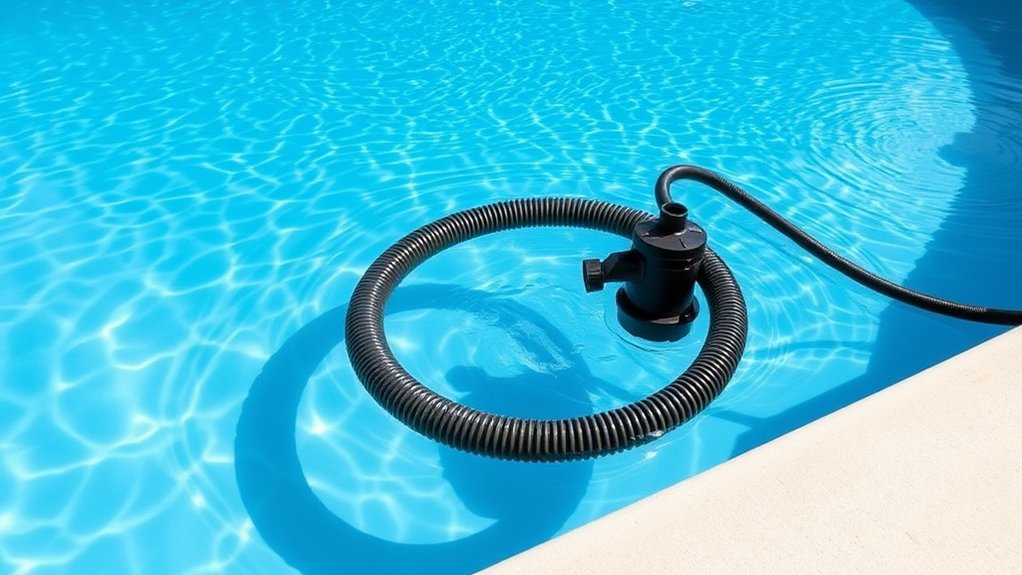
Draining your pool safely involves several critical steps to protect both your equipment and property. First, turn off all pool equipment to prevent damage.
Next, use a submersible pump to drain the pool efficiently, placing the discharge hose away from your home’s foundation.
Keep a close eye on water levels throughout the process to avoid soil erosion or structural damage. It’s important to follow local regulations for water disposal. Usually, discharging into the sanitary sewer is preferred over septic systems.
Once the pool is empty, inspect it for cracks or damage before refilling. This inspection helps you catch any potential issues early.
Managing water disposal properly and monitoring everything during the process ensures you drain your pool safely without risking your property or breaking any rules.
Cleaning and Inspecting Your Pool After Draining
Once the pool is completely drained, thoroughly clean all surfaces to remove dirt, algae, and debris that may have built up over time.
Use a pressure washer for stubborn stains and scale.
Next, inspect the pool liner carefully for cracks or wear that draining might’ve revealed.
Also, check the filtration system components to verify they function correctly before refilling.
Although water chemistry is tested after refilling, your inspection will help identify any repairs needed to maintain a balanced environment.
This way, you can get ahead of any issues before they become bigger problems.
How to Refill Your Pool and Balance Water Chemistry
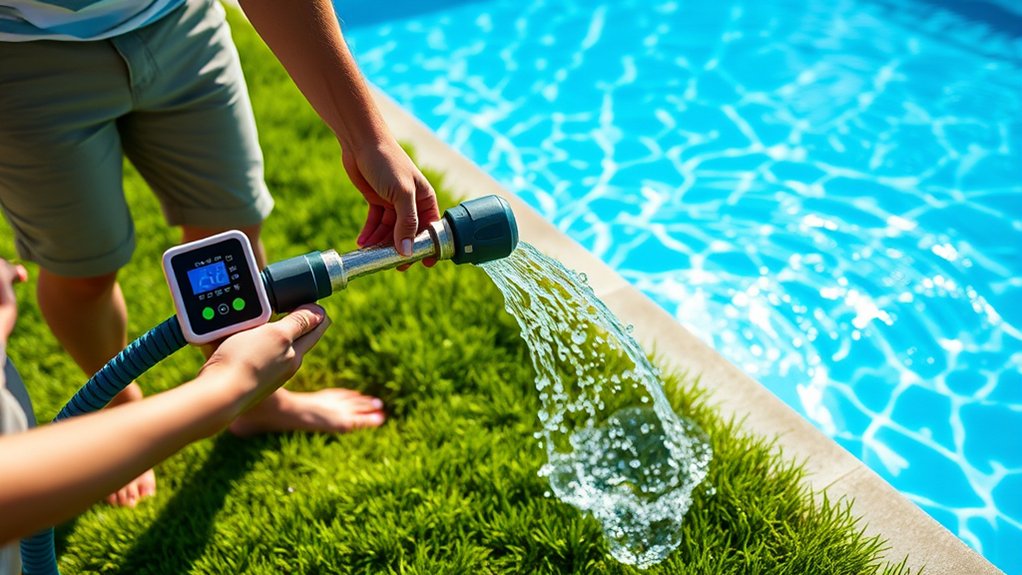
Before you start refilling, take a good look around your pool to check for any damage that might need fixing.
It’s better to catch those issues early so they don’t get worse later.
When you’re ready, use one or more garden hoses to slowly fill up the pool.
Keep an eye on the water level as you go so you don’t accidentally overfill it.
Once the pool is full, it’s time to test the water chemistry.
You’ll want to adjust the pH, alkalinity, and calcium hardness to keep everything balanced and ensure the water stays clear and comfortable.
Inspect Pool For Damage
Although refilling your pool is an exciting step, you need to thoroughly inspect its structure for cracks, leaks, or any damage that could cause future water loss.
Begin by visually inspecting the pool walls, floor, and liner, especially if you have a vinyl liner, as tears can worsen after draining.
Use a submersible light or camera to inspect areas below the waterline for subtle cracks or damage. Pay particular attention to plumbing entry points and fittings, as these often develop leaks.
Document any damage before proceeding to refill.
Addressing these issues now prevents costly repairs and water waste later. Proper inspection after draining guarantees your pool remains structurally sound, preserving water efficiency and safety throughout the refill and chemical balancing process.
Refill Water Gradually
How should you approach refilling your pool to secure structural integrity and water quality?
After you drain and refill, start refilling the pool gradually using a garden hose. Keep an eye on the water level closely to avoid overfilling.
If you can, use multiple hoses to speed up the process without stressing the pool structure.
While refilling, think about using a submersible pump to remove any leftover debris or water. Check the water level often to keep control over how fast you’re filling it.
Once the pool is full, run the pump for at least 24 hours. This helps circulate the water and dissolve chemicals evenly.
Taking it slow like this makes sure the pool’s structure stays stable and gets the water ready for proper chemistry balancing later on.
Test And Adjust
Once your pool has refilled and the water has circulated for at least 24 hours, you can start testing its chemistry to get accurate measurements.
Begin by testing the pH level of the pool water using a reliable pH test kit. Aim for a range of 7.4 to 7.6.
Next, test and adjust alkalinity first, targeting 80 to 120 ppm to stabilize pH.
Then, measure calcium hardness, ensuring it falls between 200 and 400 ppm to prevent scaling or corrosion.
Finally, test chlorine levels and adjust them to maintain 1 to 3 ppm for effective sanitation.
Always use fresh water additives when adjusting to avoid chemical imbalances.
Regular testing and adjusting will keep your pool water balanced, safe, and clear after draining and refilling.
Don’t Make These Common Pool Draining Mistakes
When you drain your pool, taking shortcuts or rushing the process can cause serious damage to your pool’s structure and surrounding property. Avoid draining the pool too quickly. Use a submersible pump and release water gradually to prevent liner shrinkage or warping.
Never discharge water near your home’s foundation to avoid flooding and structural damage. Always turn off pool equipment to prevent electrical hazards. Monitor water levels carefully to avoid groundwater pressure causing cracks or floating.
| Mistake | Consequence | Solution |
|---|---|---|
| Rapid draining | Liner damage, structural risk | Use submersible pump, drain gradually |
| Ignoring local rules | Fines, environmental harm | Check regulations before draining |
| Discharging near foundation | Flooding, property damage | Direct water away from home’s foundation |
When to Call a Professional for Pool Draining Help
If your pool has tricky drainage issues, like high groundwater levels or strict discharge rules, it’s a good idea to call in a professional. They know exactly how to handle these challenges without causing problems.
Also, if you’re not sure about the equipment setup or the safety steps you need to take, getting expert help can save you a lot of headaches.
Proper handling is key to avoiding damage and making sure the draining process meets all technical and legal requirements.
Complex Drainage Situations
Although draining a pool might seem straightforward, certain complex situations demand professional expertise to avoid costly errors or damage.
When high groundwater levels exist, draining a pool without expert help risks structural harm. Complex drainage situations, such as interior surface repairs or resurfacing, require professional assistance for correct execution.
Persistent chemical imbalances like elevated Total Dissolved Solids or Calcium Hardness also call for tailored solutions from specialists.
Moreover, water discharge regulations can be intricate and vary locally. Professionals guarantee compliance, preventing fines.
Unique pool types, like fiberglass or vinyl liners, are susceptible to damage if drained improperly, so expert involvement is essential.
In these cases, relying on professional assistance safeguards your pool’s integrity and guarantees efficient, regulation-compliant drainage.
Equipment And Safety Expertise
Since draining a pool requires specialized equipment like submersible pumps and appropriate hoses, lacking these tools means you should call a professional.
A submersible pump or pool pump is essential for efficient water removal, and improper equipment can lead to delays or damage.
Professionals guarantee correct water disposal following local regulations, preventing fines and environmental harm.
If your pool shows structural issues such as cracks or damage, a professional can assess risks and recommend safe drainage methods.
High groundwater levels also complicate draining.
Experts provide guidance to avoid structural damage during the process.
If you’re unfamiliar with pool maintenance or drainage techniques, hiring a professional saves time and avoids costly mistakes.
Trust their expertise for safe, compliant, and efficient pool draining.
Disposing of Pool Water Without Trouble
Before you start draining your pool, make sure to check local regulations. This helps you avoid fines and prevents environmental damage. Proper disposal is really important when dealing with large amounts of pool water.
Using a submersible pump is a smart move because it helps you control the flow. This way, you can avoid flooding the areas around your pool.
Here are some key steps to follow for hassle-free disposal:
- Always direct the drain water to a sanitary sewer system. Don’t ever use septic systems for this.
- If you have pool rooms, use indirect or floor drains that are designed to handle high volumes of water.
- Keep an eye on chemical levels in the water to protect nearby plants and vegetation.
Sticking to local rules keeps you in compliance and helps protect the environment.
Plus, a submersible pump gives you precise control during the drainage, making the whole process safer and more efficient.
Frequently Asked Questions
Can I Use a Garden Hose to Drain My Pool?
Yes, you can use a garden hose for pool maintenance drainage methods, but it’s slow and inefficient.
You’ll need a long hose with a consistent downward slope and must fill it with water to start siphoning. This method conserves water compared to pumps but isn’t ideal for large pools due to time constraints.
Always check local regulations to verify your drainage method complies. This helps protect both your pool and the environment.
How Long Does It Typically Take to Drain a Pool?
Draining your pool is like emptying a large bucket through a narrow funnel. The time it takes depends on the pool size, water depth, drainage method, and pump efficiency. Typically, it takes one to six hours.
Larger pools with greater depth naturally take longer. Using a submersible pump, which drains 1,500 to 2,000 gallons per hour, speeds up the process.
Just keep an eye on the flow to avoid flooding and damage.
Adjust as needed to make sure the drainage is safe and efficient. It’s all about finding the right balance and staying attentive throughout the process.
Will Draining My Pool Affect the Surrounding Landscaping?
Yes, draining your pool can affect the surrounding landscaping. To minimize the impact, choose proper drainage solutions that prevent soil erosion by directing water away from vulnerable areas.
Avoid discharging water too quickly because rapid runoff can saturate the soil and harm plant health.
Always neutralize chemicals before draining your pool and check local regulations to stay compliant.
Planning your drainage carefully helps maintain your landscaping’s stability. It also protects your vegetation from damage caused by excess water or contaminants.
Taking these steps makes the process much smoother for your yard.
Is It Safe to Drain a Pool During Cold Weather?
Imagine you drain your pool during a sudden cold snap, and ice formation damages the liner. It’s not safe to drain a pool in cold weather if the pool water temperature is near freezing.
You must wait until temperatures stay consistently above freezing to avoid freezing risks and cold weather effects like cracking or structural harm.
Always monitor forecasts and drain gradually to protect your pool from ice formation and damage.
It’s better to be cautious than to risk costly repairs. So, keep an eye on the weather and plan accordingly to keep your pool safe.
Can Pool Covers Be Removed Before Draining?
Yes, you can remove pool cover options before draining, but make sure to follow safety precautions carefully.
It’s a good idea to partially drain the pool first to reduce the weight and prevent any damage to the cover. Also, check that the cover is dry and free of debris so you don’t contaminate the water.
Always stick to local water disposal regulations to avoid any overflow issues.
Regular maintenance is important too. Inspect the cover for any signs of wear and give it a thorough cleaning before you take it off.
This helps keep your pool hygienic and safe. Taking these steps makes the whole process smoother and protects your pool investment.
Conclusion
Draining your pool requires careful planning, like steering through a complex circuit. You must follow each step precisely to avoid damage.
Prepare your equipment, drain water responsibly, and thoroughly inspect your pool afterward. Don’t rush refilling; balance your water chemistry to keep it safe and clean.
Avoid common mistakes like improper disposal or ignoring structural checks. If you’re unsure, call a professional to guarantee the job’s done right and your pool stays in top condition.