Is Swimming Cardio – Benefits Explained
Yes, swimming is fantastic cardio because it works your whole body while being easy on your joints. It strengthens your heart and lungs, boosts endurance, and burns a lot of calories thanks to water resistance.
You’ll improve flexibility and reduce stress with soothing, rhythmic movements. Swimming also supports mental well-being by releasing mood-enhancing endorphins.
If you keep exploring, you’ll discover how to tailor swimming for your fitness goals and maintain a consistent, rewarding routine. It’s a great way to stay active and feel good all around.
Why Swimming Is Great Cardio
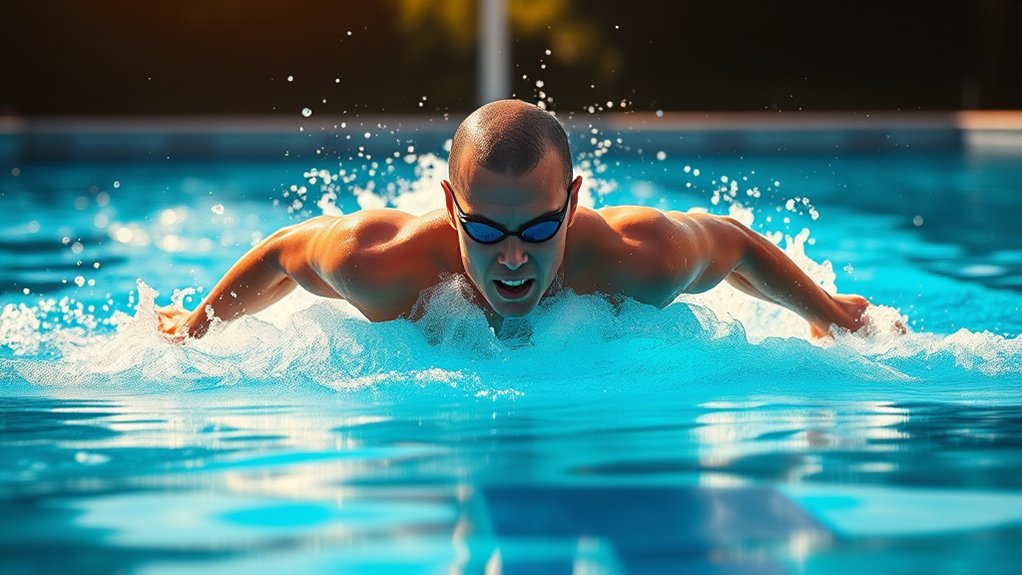
Although you might think of swimming as just a relaxing activity, it actually serves as an excellent cardiovascular workout that raises your heart rate and boosts endurance.
When you swim, you engage multiple muscle groups simultaneously, making it a full-body workout that enhances cardiovascular health effectively.
The water’s resistance increases calorie burning. Vigorous strokes can burn up to 900 calories per hour.
Water resistance boosts calorie burn, with vigorous swimming burning up to 900 calories per hour.
Regular swimming also helps improve your lung capacity by encouraging controlled breathing, which enhances overall respiratory efficiency.
By consistently incorporating swimming into your routine, you strengthen your heart, improve circulation, and increase stamina.
Whether you’re a beginner or seasoned athlete, swimming offers a low-impact way to elevate your heart rate while giving your entire body a powerful, calorie-burning workout.
How Swimming Improves Heart and Lung Health
Building on how swimming boosts your cardiovascular fitness, it also plays a powerful role in improving heart and lung health. This exercise acts as a thorough cardiovascular workout that strengthens your heart, improving circulation and lowering blood pressure.
Regular swimming helps reduce harmful triglycerides and LDL cholesterol, promoting better overall heart health.
Plus, the controlled breathing techniques used during swimming enhance your lungs’ capacity and efficiency. As you swim, your breathing becomes more rhythmic and deliberate, training your lungs to work more effectively.
This not only improves your endurance but also benefits those with respiratory challenges.
By making swimming a consistent part of your routine, you actively improve both your heart and lung health. You’ll boost your overall cardiorespiratory fitness and well-being in the process.
It’s a great way to take care of your body inside and out.
Why Swimming Cardio Is Easy on Joints and Boosts Flexibility

Because swimming takes place in water, it puts far less stress on your joints than many land-based exercises, making it an ideal cardio option if you’re dealing with arthritis or joint pain.
Water provides buoyancy that supports your body weight, allowing you to move freely with a greater range of motion.
This low-impact exercise helps reduce stiffness by enhancing joint lubrication, which improves overall joint and muscle function.
As you swim, various strokes engage different muscle groups, promoting balanced strength and boosting flexibility.
The natural resistance of water encourages controlled, smooth movements that safely increase your flexibility without risking injury.
Calorie Burn: How Swimming Supports Weight Loss
You burn calories with every stroke you take.
And some strokes, like the butterfly, torch nearly twice as many as freestyle.
Swimming’s resistance pushes your body harder, which helps boost your metabolism.
That means you keep burning calories even after you stop.
Calories Burned Per Stroke
Calorie burn varies considerably depending on the swimming stroke you choose, making it important to select one that aligns with your fitness goals.
Different swimming strokes affect your heart rate and calories burned, so tailoring your workout routine can really maximize weight loss and build physical strength.
Here’s a quick look:
- Butterfly stroke burns nearly 900 calories per hour, offering intense cardio and muscle engagement.
- Freestyle burns about 300 calories in 30 minutes, ideal for toning and sustained calorie burn.
- Breaststroke and backstroke each burn around 250 calories in 30 minutes, activating different muscle groups.
Understanding these benefits of swimming helps you optimize your sessions for effective calorie burn and overall fitness improvement.
Choose strokes that challenge you and keep your heart rate elevated for the best results.
Metabolism Boost Through Swimming
Beyond just burning calories with each stroke, swimming also ramps up your metabolism in ways that support long-term weight loss. The resistance of water makes your body work harder, increasing your heart rate and helping you burn more calories during and after your workout.
A consistent swimming routine, ideally 150 minutes per week, not only boosts your metabolism but also enhances muscle mass, raising your resting metabolic rate. This means you continue to burn calories even when you’re not active.
Plus, swimming benefits both your physical and mental health, making it a well-rounded exercise choice. By integrating swimming into your fitness plan, you’ll experience a powerful metabolism boost that supports sustainable weight loss and overall wellness.
Mental Health Benefits of Swimming Cardio

You’ll find that swimming cardio does more than just strengthen your body—it actually lifts your mood and eases anxiety.
The steady rhythm and soothing water create a calming effect, which helps reduce stress levels.
And the best part? By making swimming a regular habit, you’re actively supporting your mental well-being while staying fit.
It’s a win-win!
Mood Improvement
The power of swimming extends far beyond physical fitness. It actively boosts your mood by releasing endorphins that ease anxiety and depression. This mood improvement offers significant mental health benefits, creating a positive effect on your overall well-being.
Here’s how swimming helps:
- It provides a calming effect, which helps you disconnect from daily stressors and regain mental clarity.
- The warm, humid environment of indoor pools supports emotional balance, making it easier to manage anxiety and depression symptoms.
- Regular swimming enhances life satisfaction by lowering stress levels and promoting mental resilience.
Anxiety Reduction
Building on how swimming lifts your mood, it also plays a powerful role in reducing anxiety. The rhythmic strokes and controlled breathing techniques help lower your heart rate and promote relaxation. This makes swimming an effective therapeutic outlet.
As you move through the water, your body releases endorphins that improve mood and boost mental well-being. Warm water hydrotherapy further enhances these benefits by calming your nervous system and relieving anxiety symptoms.
By incorporating swimming into your routine, you don’t just experience anxiety reduction; you support your overall mental health. This restorative exercise offers a consistent way to manage stress, improve mood, and maintain a positive outlook on life.
Embracing swimming cardio can be a transformative step toward lasting mental wellness.
Who Benefits Most From Swimming for Cardio
- People with joint concerns: Swimming reduces joint stress while improving aerobic fitness. It’s perfect if you have arthritis or injuries because it’s gentle on your body.
- Older adults: Swimming supports heart health and lowers the risk of heart disease. Plus, it helps promote overall well-being, which is super important as we age.
- Children: Swimming lessons build aerobic fitness, coordination, and social skills.
And the best part? It’s done in a fun, supportive environment that kids enjoy.
No matter your age or fitness level, swimming offers a full-body cardio workout that’s gentle yet powerful.
If you want to improve your cardiovascular health without harsh impact, swimming is a smart choice. Give it a try!
Starting Swimming for Cardio Fitness
Although starting a new exercise routine can feel intimidating, swimming offers a welcoming way to boost your cardio fitness without overwhelming your body. Swimming provides a good workout that raises your heart rate while gently engaging your entire body.
Begin with 5-10 minutes of smooth lap swimming to build comfort and stroke efficiency. As you progress, gradually increase your duration to enhance cardiovascular endurance. Mixing strokes like freestyle and breaststroke keeps things interesting and targets different muscle groups.
Exercises like swimming are low-impact, reducing joint stress and making it accessible no matter your fitness level.
Making Swimming a Consistent Routine
Once you’ve grown comfortable with swimming and gradually increased your stamina, the next step is to make it a regular part of your routine.
Consistency is key to improving your cardiovascular fitness and controlling your heart rate and breathing during exercise.
Here’s how to make your swimming workout a lasting habit:
- Aim for at least 150 minutes of moderate-intensity swimming weekly to help boost your overall health and fitness.
- Mix strokes like freestyle and butterfly to keep your exercise program engaging and work different muscle groups.
- Join swim classes or teams at community centers to gain social support and accountability.
This makes it easier to stick with your routine.
Frequently Asked Questions
What Swimming Strokes Burn the Most Calories?
The butterfly intensity tops calorie calculation, burning nearly 900 calories per hour thanks to powerful strokes and water resistance.
Freestyle efficiency makes it a great choice, torching about 300 calories in 30 minutes while boosting endurance.
Breaststroke technique engages muscles moderately, burning around 250 calories, similar to backstroke benefits, which also improve posture and flexibility.
Each stroke challenges your body differently, so mix them to maximize your workout and stay motivated.
Can Swimming Replace Running for Cardio Workouts?
Yes, swimming can replace running for cardio workouts.
You’ll enjoy swimming advantages like low-impact injury prevention, making it perfect if you want to protect your joints.
Compared to running, swimming engages more muscles and offers greater workout variety.
This boosts your endurance building and overall fitness levels.
It’s a smart choice if you want effective cardio without the pounding.
Swimming helps you stay motivated and fit while reducing injury risks.
How Does Water Temperature Affect Swimming Cardio Benefits?
Water temperature directly affects your swimming performance and cardiovascular response.
Warmer water (78-82°F) enhances muscle activation and recovery benefits by improving circulation. On the other hand, cooler water boosts energy expenditure by making your body work harder to maintain warmth.
You’ll notice hydration effects differ too. Warmer pools might increase sweat loss, so it’s something to keep in mind.
Adjusting water temperature helps you optimize cardio benefits and endurance.
This way, each swim session can become more effective and rewarding. It’s all about finding the right balance that works for you.
Is Swimming Effective for Improving Bone Density?
You know what they say: “Don’t put all your eggs in one basket.”
Swimming alone won’t boost your bone health much because water buoyancy reduces impact on bones.
To improve bone density, combine swimming frequency with resistance training and weight-bearing exercises.
Considering age factors and injury prevention, this balanced approach enhances overall fitness safely.
What Gear Is Essential for Beginner Swimmers?
For beginner swimmers, gear like the right swimsuit type guarantees comfort and ease in the water.
Focus on goggles selection to protect your eyes and improve visibility. Swim caps reduce drag and keep hair out of your face.
Using kickboards helps build leg strength and perfect your stroke. Swim fins boost kick power and flexibility.
Don’t forget earplugs—they add comfort.
And of course, a water bottle is a must to stay hydrated during practice.
It’s all about making your swim time as effective and enjoyable as possible!
Conclusion
Now that you know why swimming is such stellar cardio, immerse yourself and make it part of your routine. Like a classic pocket watch keeping perfect time, swimming consistently boosts your heart, lungs, and mood while protecting your joints.
Whether you’re aiming to lose weight or just feel better, swimming offers a timeless way to stay fit and flexible. So, grab your goggles and start swimming your way to a healthier you!