How To Relieve Ear Pain After Swimming – Effective Tips
To relieve ear pain after swimming, tilt your head to drain water and gently tug your earlobe. Use a blow dryer on low heat to help evaporate moisture safely. You can also apply over-the-counter drops with alcohol or vinegar to reduce the risk of infection.
Warm compresses and pain relievers like ibuprofen can help ease discomfort. Just be sure to avoid cotton swabs and harmful home remedies since they might cause irritation. If the pain sticks around, it’s a good idea to check in with a healthcare provider.
Want to keep your ears healthy after swimming? There are plenty of effective tips to explore that can protect your ear health and keep discomfort at bay.
How to Safely Remove Water to Prevent Swimmer’s Ear
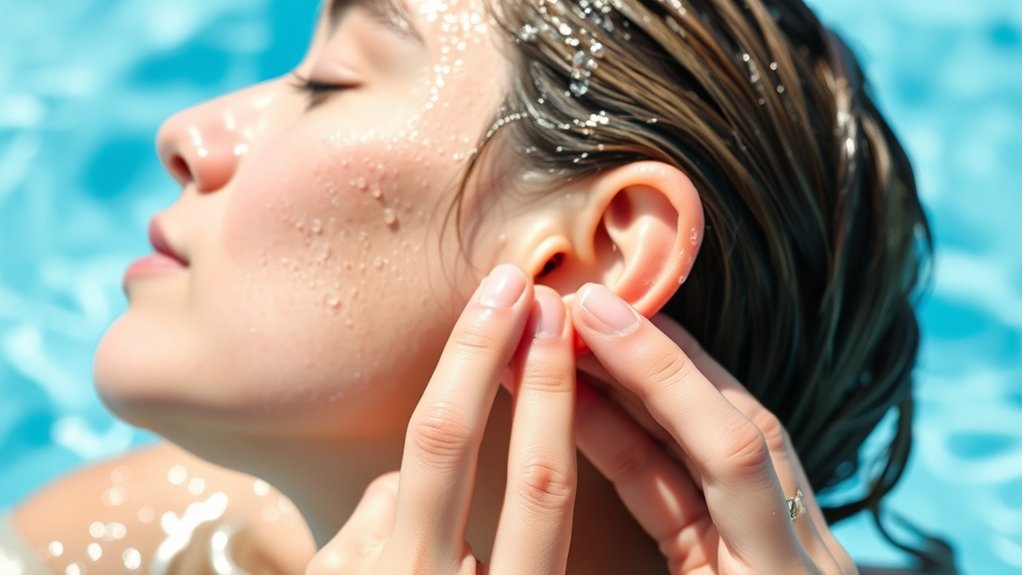
Although getting water trapped in your ears after swimming is common, you can safely remove it to prevent swimmer’s ear by following specific steps.
Tilt your head to one side and gently tug your earlobe to help water drain from the ear canal. Avoid inserting cotton swabs or fingers, as these can push water deeper and irritate your delicate ear skin.
Using a blow dryer on the lowest setting, held at least a foot away, can effectively evaporate trapped moisture without causing harm. Over-the-counter drops designed for drying ears work well, or you can apply a homemade mixture of equal parts vinegar and rubbing alcohol to help dry the water and create an environment hostile to bacterial growth.
Afterward, thoroughly dry your ears with a soft towel to reduce swimmer’s ear risk.
It’s pretty simple, but these small steps really help keep your ears healthy after a swim.
Use Home Remedies to Ease Swimmer’s Ear Pain
Once you’ve safely removed trapped water from your ear, managing the pain and inflammation that may follow is the next step. To ease swimmer’s ear ear pain, apply a heating pad on low or a warm washcloth to the affected ear. This helps reduce swelling and soothes discomfort.
You can also use homemade drying drops by mixing equal parts white vinegar and rubbing alcohol. These drops promote drying and prevent bacterial growth in the ear canal. They effectively address residual water in the ear, which is a common cause of swimmer’s ear.
Try to avoid getting more water in your ear until the symptoms completely go away. This will help support the healing process.
These home remedies offer a practical, non-invasive way to relieve ear pain and minimize infection risk after swimming.
Use Over-the-Counter Pain Relievers for Ear Discomfort

You can use over-the-counter pain relievers like acetaminophen or ibuprofen to help with ear discomfort after swimming. It’s important to pick the right medication and follow the dosing instructions carefully.
Acetaminophen usually takes about 45 minutes to start working, and you can take it every 4 to 6 hours.
On the other hand, ibuprofen kicks in a bit faster—around 30 minutes—and can be taken every 6 to 8 hours. Ibuprofen also helps reduce inflammation, which might make you feel better quicker.
Make sure to keep an eye on your pain levels.
And if the discomfort doesn’t go away after a while, it’s a good idea to check in with a healthcare provider.
Choosing Appropriate Medications
When ear pain follows swimming, over-the-counter pain relievers like acetaminophen and ibuprofen can help reduce discomfort and inflammation effectively. Acetaminophen usually takes about 45 minutes to ease pain, while ibuprofen works faster, often within 30 minutes.
Both are suitable options, but you should avoid aspirin for anyone under 20 due to the risk of Reye syndrome.
Always consult a healthcare provider before giving medications, especially to children, to guarantee safe and appropriate use. If your ear pain results from or leads to an ear infection, these medications can manage symptoms temporarily.
But remember, if the pain is persistent or gets worse, you need to see a doctor.
Choosing the right medication is really important to relieve ear pain safely and prevent complications after swimming. So, don’t hesitate to get medical advice if you’re unsure or if things aren’t improving.
Dosage and Timing Guidelines
Although over-the-counter pain relievers are effective for easing ear discomfort after swimming, it’s essential to follow proper dosage and timing guidelines to ensure safety and get the best relief.
As swimmers, you should stick closely to the label instructions, paying attention to age and weight. Proper timing helps keep pain under control consistently and works well alongside other home remedies and treatments that can reduce ear symptoms.
| Medication | Dosage Interval |
|---|---|
| Acetaminophen | Every 4-6 hours |
| Ibuprofen | Every 6-8 hours |
| Naproxen | Every 8-12 hours (12+) |
| Children | Adjust per label/doctor |
This treatment can help ease ear pain safely. But if your symptoms get worse or don’t go away, make sure to see a healthcare professional right away.
Monitoring Pain Relief Effectiveness
Following proper dosage and timing guidelines helps set the foundation for effective pain management after swimming-related ear discomfort.
When you take over-the-counter pain relievers like acetaminophen or ibuprofen, monitor how well they reduce your ear pain and any symptoms of swimmer’s ear.
Acetaminophen typically takes about 45 minutes to provide relief, while ibuprofen acts in around 30 minutes.
Keep track of your pain levels and note any changes in severity. If you experience worsening symptoms, such as increased pain, fever, or swelling, it’s essential to seek medical evaluation promptly.
These signs may indicate the need for additional treatment beyond pain relief medications.
Apply Warm Compresses to Soothe Ear Pain
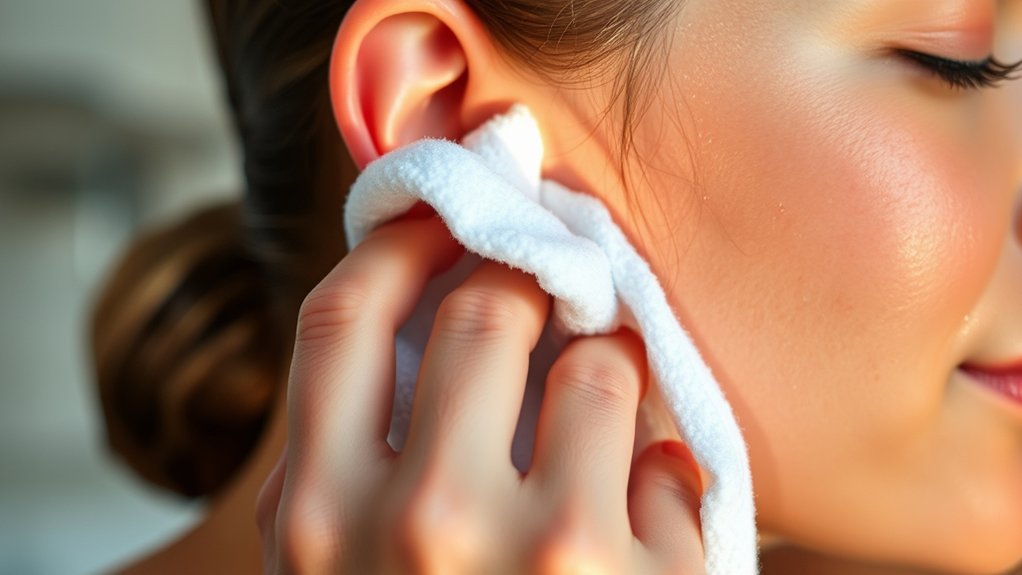
Since ear pain after swimming often results from inflammation or trapped moisture, applying a warm compress can effectively increase blood flow and promote healing.
To soothe your ear pain, use a heating pad on low or a warm washcloth wrapped in a towel to regulate temperature and avoid burns.
Apply the compress to the affected ear for 10-15 minutes. This helps alleviate discomfort and may assist in melting earwax, promoting drainage and reducing pressure.
Regular use of warm compresses can notably soothe irritation and support recovery.
For enhanced relief, consider combining this method with over-the-counter pain relievers like acetaminophen or ibuprofen.
Best Ear Drops for Swimmer’s Ear Relief
When you experience swimmer’s ear, selecting the right ear drops can make a big difference in relieving pain and helping you heal. Antibiotic ear drops like ofloxacin or ciprofloxacin are great because they target bacterial infections effectively.
If you’re dealing with inflammation and itching, steroid ear drops might be recommended to calm things down.
Over-the-counter drying ear drops, which contain isopropyl alcohol, are helpful too. They work by evaporating the extra moisture that gets trapped in your ear after swimming.
But remember, it’s always best to check with a healthcare provider before using any ear drops, especially if you think you might’ve a ruptured eardrum or if you have ear tubes.
When you apply the drops, tilt your head so the drops can reach deep into the ear canal and stay there long enough to do their job. This helps make sure you get the best results.
- Use antibiotic ear drops for bacterial infections
- Apply steroid drops to reduce inflammation
- Choose over-the-counter drying drops to remove moisture
- Consult a healthcare provider before starting treatment
- Follow application instructions carefully for best results
Common Remedies to Avoid for Swimmer’s Ear
You might be tempted to try home remedies like garlic oil or hydrogen peroxide, but these can actually irritate your ear canal and make swimmer’s ear worse.
It’s best to steer clear of cotton swabs or ear candles too, since they can cause damage and even increase the risk of infection.
Knowing which treatments to avoid is really important for finding safe and effective relief.
Harmful Home Remedies
Although it might be tempting to try common home remedies for swimmer’s ear, several popular treatments can actually make things worse or cause more harm. The skin inside your ear canal is super thin and delicate. Some substances or tools can irritate it even more, which delays healing or might cause burns.
You’ll want to avoid these harmful home remedies:
- Garlic oil: it can irritate the ear canal and even cause burns.
- Hydrogen peroxide: this might make symptoms worse and damage tissues.
- Ear candles: they carry burn risks and don’t have proven benefits.
- Q-tips: these often push debris deeper, upping the infection risk.
- Essential oils: they could trigger allergic reactions and irritate your skin.
Unsafe Ear Cleaning
Since improper ear cleaning can worsen swimmer’s ear symptoms, it’s essential to avoid common but unsafe methods. Using cotton swabs may push wax deeper into the outer ear canal, increasing infection risk rather than helping treat swimmer’s ear.
Hydrogen peroxide, garlic oil, essential oils, and ear candling can irritate or injure your ear, making pain and inflammation worse. Instead, focus on safe practices to prevent the growth of harmful bacteria and fungi.
| Method | Risk | Reason to Avoid |
|---|---|---|
| Cotton Swabs | Wax impaction, injury | Pushes debris deeper |
| Hydrogen Peroxide | Irritation | Can worsen symptoms |
| Ear Candling | Burns, injury | No proven efficacy |
| Garlic Oil | Irritation, burns | Ineffective for infections |
| Essential Oils | Allergic reactions | Not recommended for swimmer’s ear |
When to See a Doctor for Ear Pain After Swimming
When should you consider seeing a doctor for ear pain after swimming? Persistent ear pain might be swimmer’s ear or another infection that needs medical attention. You should check in with a doctor if your symptoms get worse or if signs of swimmer’s ear don’t improve with home care.
Here are some times you definitely want to seek medical advice:
- If ear pain sticks around for more than a couple of days after swimming
- If you have severe pain, a fever, or pus draining from your ear
- If you notice increased redness or swelling in the ear canal
- If over-the-counter treatments aren’t helping
- If you’ve had recent ear surgery or have ear tubes, since this raises the risk of complications
Getting treatment quickly is key to avoiding complications and making sure you recover well.
How to Prevent Swimmer’s Ear After Swimming
To prevent swimmer’s ear effectively, you need to focus on keeping your ears dry and minimizing bacterial exposure after swimming. Start by thoroughly drying your ears. Tilt your head and use a towel to absorb excess water, which helps the ears dry better.
Keep your ears dry after swimming by tilting your head and towel-drying thoroughly to prevent swimmer’s ear.
Consider using preventive eardrops made from equal parts white vinegar and rubbing alcohol. This mixture helps dry the ear canal and stops bacteria from growing.
Wearing earplugs or custom-fitted swim molds during swimming can really cut down on water getting into your ears, especially in places with high bacteria levels.
Try to avoid swimming in lakes or pools that aren’t well maintained because that’s where bacteria thrive.
You can also apply cotton balls coated with petroleum jelly when bathing to block water from entering your ear canal.
Frequently Asked Questions
Can Swimming Goggles Help Prevent Ear Infections?
Yes, swimming goggles can help prevent ear infections by providing effective ear protection when you guarantee a proper goggle fit. They reduce water exposure to your ear canal, which minimizes the moist environment that fosters bacteria growth.
It’s important to maintain good ear hygiene after swimming and keep an eye on any infection symptoms, especially if you swim often.
While goggles definitely help with prevention, combining them with thorough ear drying really boosts your defense against infections.
Is It Safe to Swim With Ear Tubes or a Perforated Eardrum?
Swimming with an ear tube or a perforated eardrum isn’t entirely safe without proper swimming precautions. You need to prioritize ear tube safety by minimizing water exposure to reduce infection risks.
Using waterproof earplugs or swim caps helps, but it’s essential to follow your doctor’s guidance.
Always allow sufficient healing time before resuming swimming. Keep an eye out for any pain or discharge. These could signal complications that need prompt medical attention.
How Long Does Swimmer’s Ear Pain Typically Last Without Treatment?
Without treatment, swimmer’s ear pain can last from 3 days to over 2 weeks, depending on the severity. You might notice the symptoms getting worse, so it’s a good idea to look into treatment options early.
Home remedies might offer some temporary relief, but they usually aren’t enough to manage the pain properly. Prevention strategies can help avoid it from coming back.
If the pain sticks around or gets worse, you should see a doctor right away. That way, you can avoid complications and make sure it heals effectively.
Are Earplugs Effective in Preventing Swimmer’s Ear?
Earplugs are your superhero in swimmer’s ear prevention methods, blocking water like a fortress. Custom-fitted earplug types outperform standard ones, providing a snug seal that experts rave about.
Personal experiences often highlight their effectiveness, especially for children prone to infections.
Comparing earplugs to no protection shows a clear reduction in swimmer’s ear cases. So, if you want reliable prevention, properly fitted earplugs are a must-have in your swimming routine.
They really make a difference when it comes to keeping your ears dry and safe.
Can Diet or Hydration Impact Ear Infection Recovery?
Yes, your dietary choices and hydration levels directly impact ear infection recovery. Staying well-hydrated supports mucosal health and immune support, while vitamins A, C, and E boost your immune response.
Reducing inflammation by avoiding excess sugar and processed foods helps too.
Incorporating probiotics promotes gut health, enhancing immunity further. Omega-3-rich foods also aid inflammation reduction.
Together, these elements create a supportive environment for faster, more effective healing.
Conclusion
Don’t let ear pain after swimming rain on your parade. By safely removing trapped water, using soothing home remedies, and applying warm compresses, you can calm the storm inside your ear. Over-the-counter drops and pain relievers act like a lighthouse guiding you through discomfort.
Remember, if the pain persists, seek medical help. Your ear’s health is the anchor to your well-being. Stay proactive, and keep your ears clear and comfortable after every swim.